CNC Prototype Manufacturing

Prototype Manufacturing Services for Precision Engineering Components.

From CAD Concept to Functional CNC-Machined Prototype.

Gulf Precision Works supports CNC prototype manufacturing for design validation, functional testing, engineering development and pre-production requirements, helping customers move from one-off components to production-ready designs across the UAE and wider Gulf region.
CNC Prototyping One-off & development parts
Design Iteration Engineering refinement support
Multiple Materials Metals & engineering plastics
Prototype to Production Transition toward repeat manufacture

Prototype Manufacturing Overview

Validate the Design Before Committing to Production.

A CNC-machined prototype allows engineering teams to evaluate a physical component before moving into repeat manufacturing.

Prototype manufacturing can help verify dimensions, assembly interfaces, clearances, geometry and functional features using a component produced from engineering materials and controlled CNC processes.

Gulf Precision Works supports one-off parts, development components and small prototype batches for design validation, engineering refinement and pre-production evaluation across the UAE and wider Gulf region.

Geometry

Design Validation

Confirm critical geometry, mounting features, interfaces and physical component form.

Function

Engineering Testing

Use physical prototypes for suitable fit, motion, assembly and functional evaluation.

Development

Design Iteration

Update dimensions or features based on engineering findings before the next revision.

Manufacturing

Prototype to Production

Progress an approved design toward low-volume or repeat CNC manufacturing requirements.

Prototype Manufacturing Capabilities

CNC Prototyping for Engineering Development & Validation.

Prototype requirements vary from simple proof-of-concept parts to complex functional components. GPW supports CNC-machined prototypes around the geometry, material, quantity and engineering objectives of each project.

Prismatic Components

CNC Milling Prototypes

Prototype housings, brackets, plates, fixtures, enclosures and complex milled components can support dimensional, fit and functional evaluation.

Rotational Components

CNC Turning Prototypes

Prototype shafts, bushings, sleeves, spacers, fittings and threaded parts can be machined for engineering and assembly validation.

Advanced Geometry

Complex Prototype Components

Components with pockets, contours, multi-surface geometry and project-specific features can be reviewed for suitable CNC machining strategies.

Development Quantities

One-Off & Small Prototype Batches

One-off components and small development batches can support engineering trials, assembly testing and early-stage product evaluation.

Engineering Refinement

Design Iteration

Updated prototype revisions can incorporate engineering changes identified during fit, function, assembly or design evaluation.

Production Readiness

Prototype-to-Production Support

Approved prototype designs can progress toward low-volume or repeat production once drawings, materials and quality requirements are defined.

Prototype Planning

Define What the Prototype Needs to Prove

Engineering Objective Fit, function or design validation
Material Relevant engineering grade
Critical Features Interfaces & test requirements
Have a Prototype Ready for Machining Review?

Send your drawing or 3D model, material, quantity and prototype objectives so the machining requirement can be reviewed.

Submit Prototype RFQ

From CAD to Functional Prototype

A Structured Path From Engineering Data to Physical Validation.

Prototype manufacturing works best when the purpose of the component is defined before machining begins. Drawings, CAD data, material, critical features and test objectives can then guide the machining, inspection and engineering review process.

01
Engineering Input

CAD & Drawing Review

Drawings, 3D models, material requirements and prototype objectives are reviewed to understand the component and intended test scope.

02
Manufacturing Planning

Machining Strategy

Geometry, machining access, workholding, material behaviour and critical features can be considered before CNC programming and machining begin.

03
CNC Manufacturing

Prototype Machining

The prototype is machined using suitable CNC processes according to the reviewed geometry, material and engineering requirements.

04
Dimensional Review

Inspection & Verification

Agreed dimensions and critical features can be checked to confirm the prototype against the defined engineering requirements.

05
Engineering Feedback

Test, Refine & Iterate

Findings from assembly, fit or functional evaluation can inform the next prototype revision or the move toward production.

Development Loop

Prototype, Learn, Refine and Validate

Design Input Drawing & CAD revision
Physical Evaluation Fit, assembly & function
Next Decision Revise or move toward production
Have CAD Data or a Prototype Drawing Ready?

Send the latest drawing or 3D model, material, quantity, critical features and test objectives so the prototype requirement can be reviewed.

Start Prototype Review
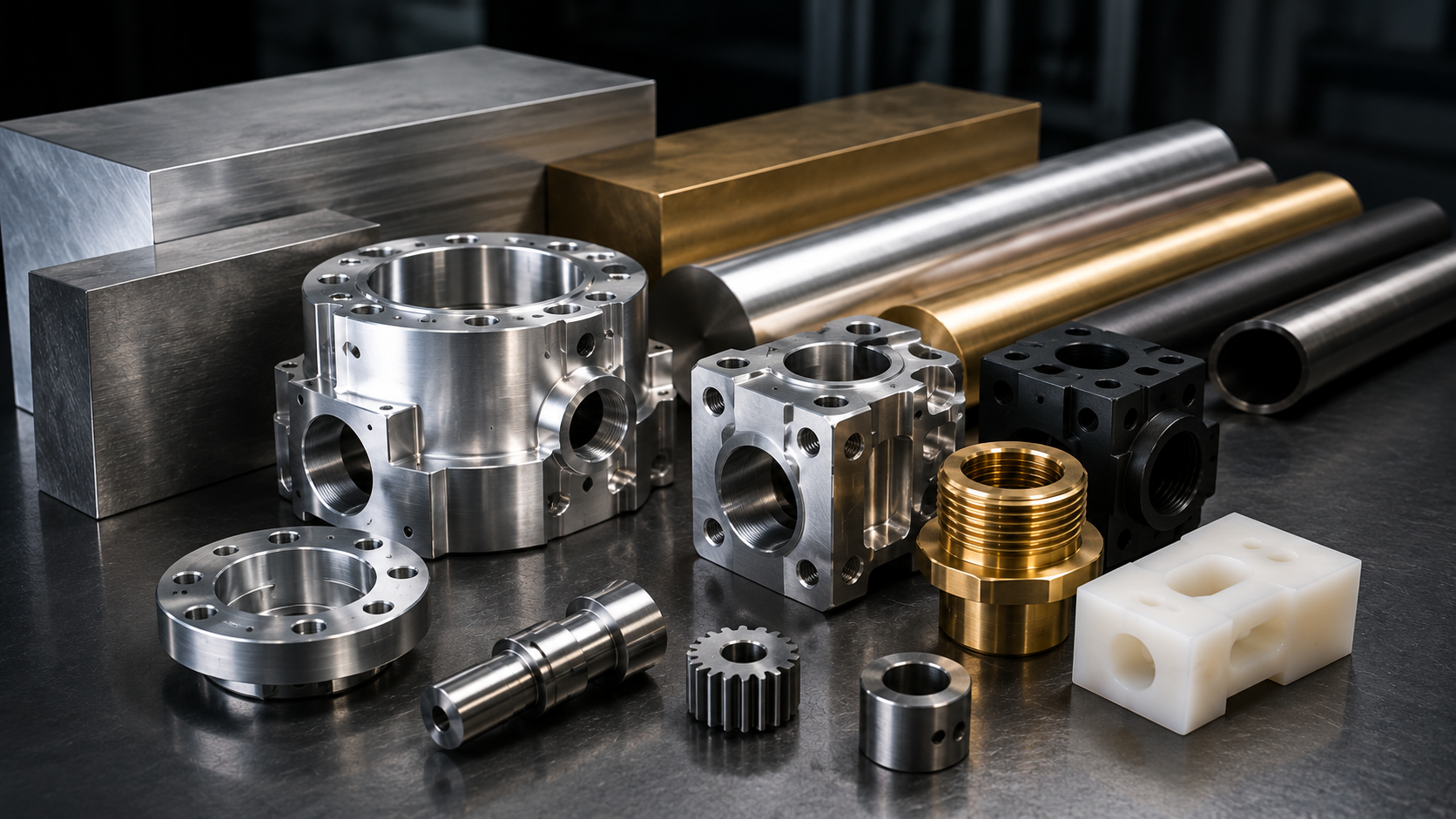
CNC-machined prototype components in aluminium, stainless steel, brass and engineering plastic
Prototype in a Material Relevant to the Application Material choice can influence weight, strength, machinability, wear, corrosion behaviour and how closely the prototype represents the final component.

Materials for Prototype Machining

Prototype With the Right Engineering Material.

Material selection should reflect what the prototype needs to demonstrate. GPW can review common engineering metals and plastics for CNC prototype machining based on geometry, function, testing objectives and the intended production material.

Aluminium

Common choice for lightweight engineering prototypes, housings, brackets and machined development components.

6061 · 6082 · 7075
Stainless Steel

Suitable where corrosion resistance, strength or production-like material behaviour is important to evaluation.

304 · 316L · 17-4 PH
Carbon & Alloy Steel

Used for robust prototype parts requiring mechanical strength, durability or representative steel behaviour.

EN8 · EN19 · EN24 · 4140
Brass & Copper

Useful for prototype fittings, connectors, electrical components and other non-ferrous applications.

C360 · C280 · C110
Engineering Plastics

Suitable for lightweight components, insulating parts, bushings, guides and functional polymer prototypes.

POM · Nylon · PTFE · PEEK
Project-Specific Materials

Additional grades can be reviewed where the prototype requires a particular engineering or production material.

Review at RFQ
Prototype Material Should Match the Test Objective

A visual or dimensional prototype may not always require the final production grade. Functional, thermal, mechanical or wear testing may benefit from a material closer to the intended production specification.

DFM & Engineering Support

Refine the Prototype With Manufacturability in Mind.

Prototype machining can reveal opportunities to simplify geometry, improve machining access, clarify critical dimensions or prepare the component for future production. GPW can support engineering review around the manufacturability of CNC-machined prototype components.

Geometry & Machining Access

Review pockets, internal features, tool access, corner geometry and other features that influence machining strategy.

Critical Tolerances

Identify dimensions that genuinely affect fit, assembly or function instead of applying unnecessary tight requirements throughout.

Drawing Clarity

Define material, datums, threads, surface requirements and critical features clearly before machining begins.

Design Iteration

Feedback from the first prototype can support geometry changes or drawing updates before the next development revision.

Production Readiness

Prototype decisions can be reviewed with future low-volume or repeat CNC production requirements in mind.
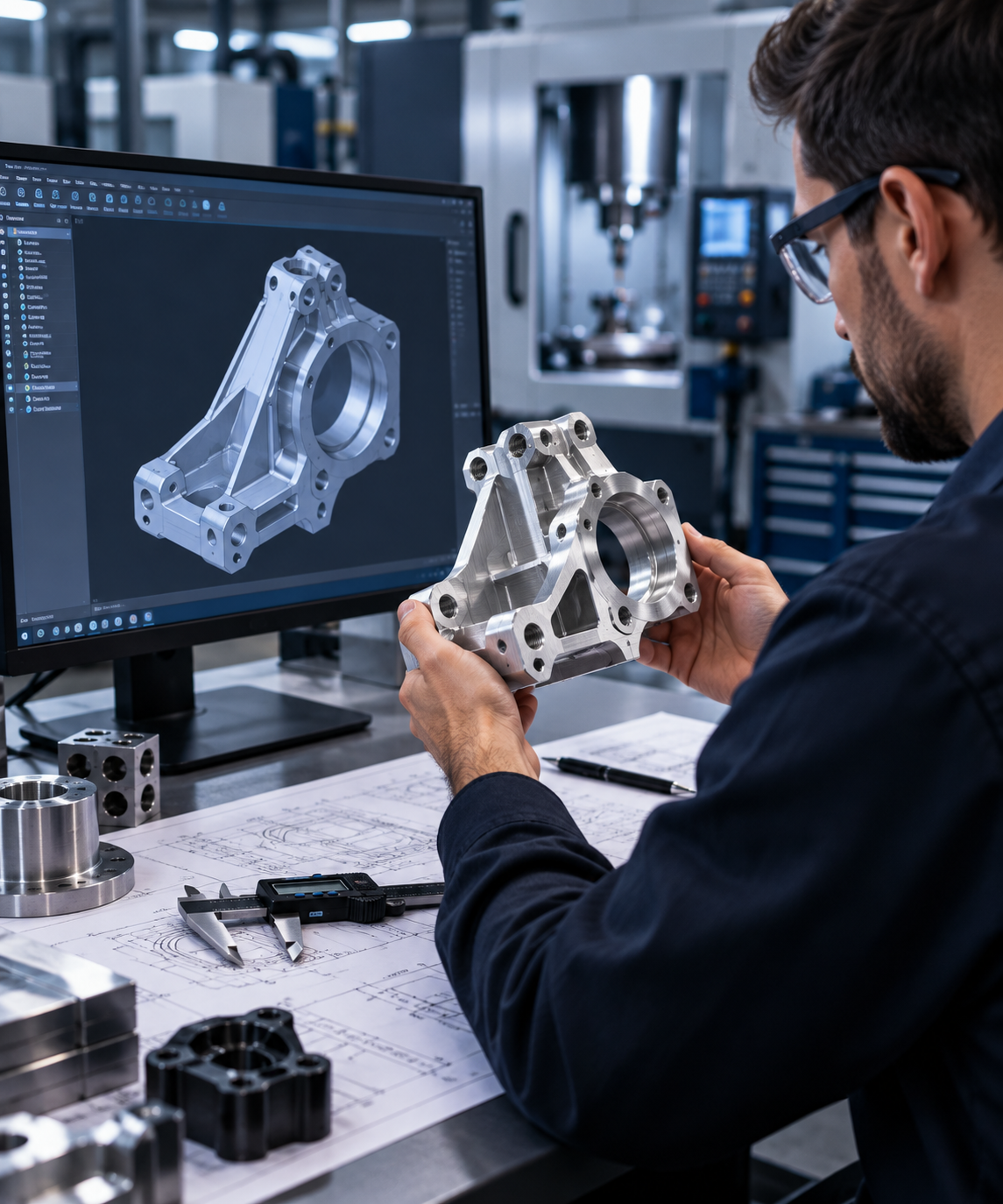
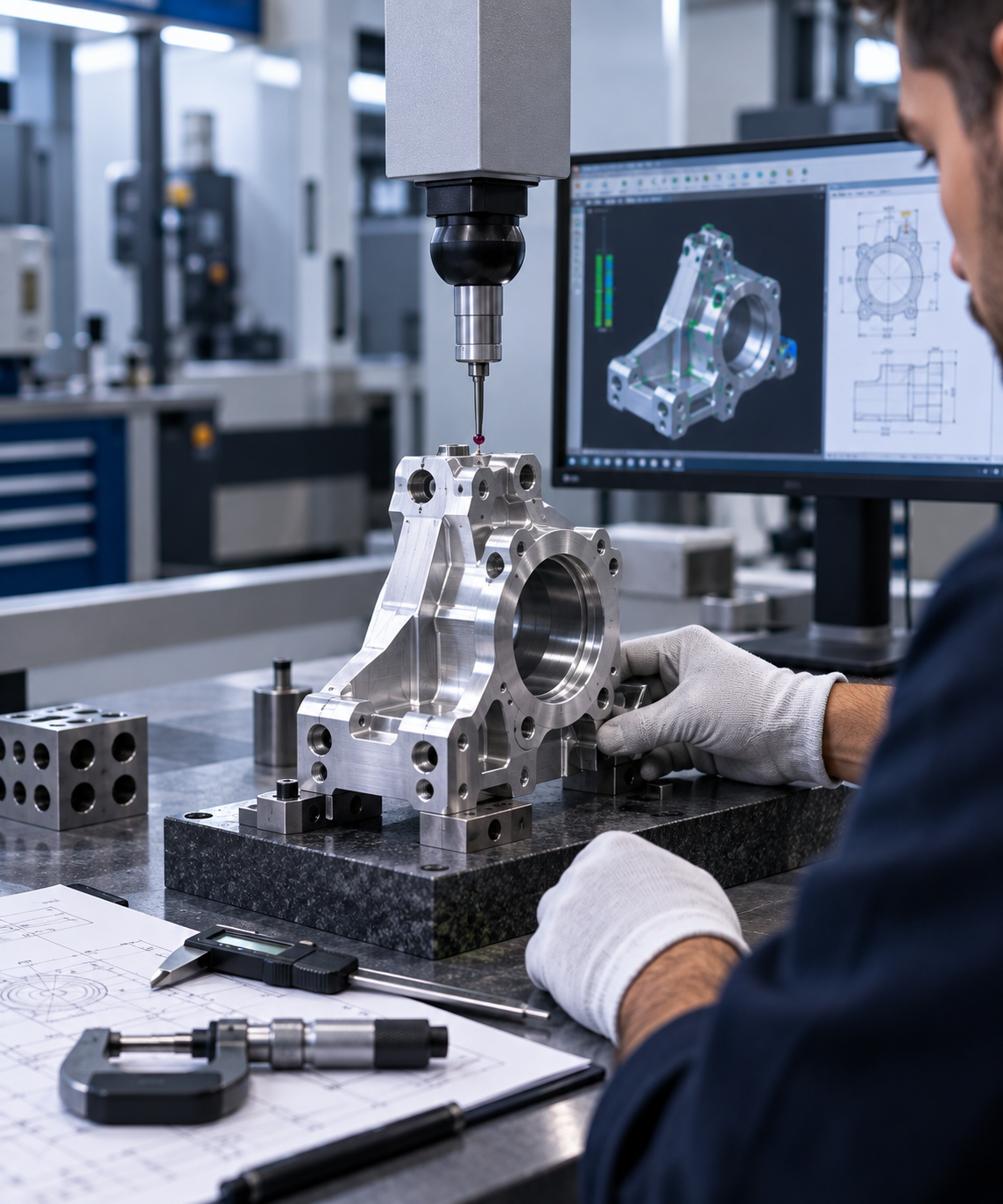
Engineer reviewing CNC prototype component and CAD model for design for manufacturability
Engineering Review Before the Next Revision Prototype feedback can help improve manufacturability and clarify requirements before repeat production is considered.
DFM Review Geometry & machining considerations
Engineering Iteration Feedback into the next design revision
Production Thinking Prepare successful designs for scale
Dimensional inspection of a CNC-machined prototype component using precision measuring equipment
Verify the Features That Matter Inspection should be aligned with the prototype objective, critical dimensions and intended engineering evaluation.

Inspection & Prototype Verification

Confirm the Prototype Against Defined Engineering Requirements.

A prototype is most useful when the dimensions and functional features relevant to its purpose are clearly identified. GPW can support dimensional verification around agreed inspection requirements before the component moves into engineering evaluation or the next design stage.

Prototype Verification Scope Defined at RFQ
01
Critical Dimensions

Verify the dimensions that influence fit, assembly, clearance or intended prototype function.

02
Feature & Interface Checks

Review holes, mating features, threads, mounting interfaces and other agreed functional geometry.

03
CMM Support

Coordinate CMM verification where appropriate for geometry or inspection requirements defined for the project.

04
Inspection Documentation

Where documentation is required, inspection expectations should be specified during the RFQ stage.

Inspection Should Match the Purpose of the Prototype

A fit-check prototype may require a different verification scope from a functional engineering prototype. Define critical features, inspection expectations and any required documentation before machining begins.

Requirement Latest Drawing Revision
Focus Critical Features
Verification Agreed Inspection Scope
Documentation Specify at RFQ Stage

Industries We Support

Prototype Manufacturing for Diverse Engineering Sectors.

Prototype requirements vary by application, performance expectation and technical environment. GPW supports CNC-machined prototype components for engineering projects across a range of industrial sectors in the UAE and wider Gulf.
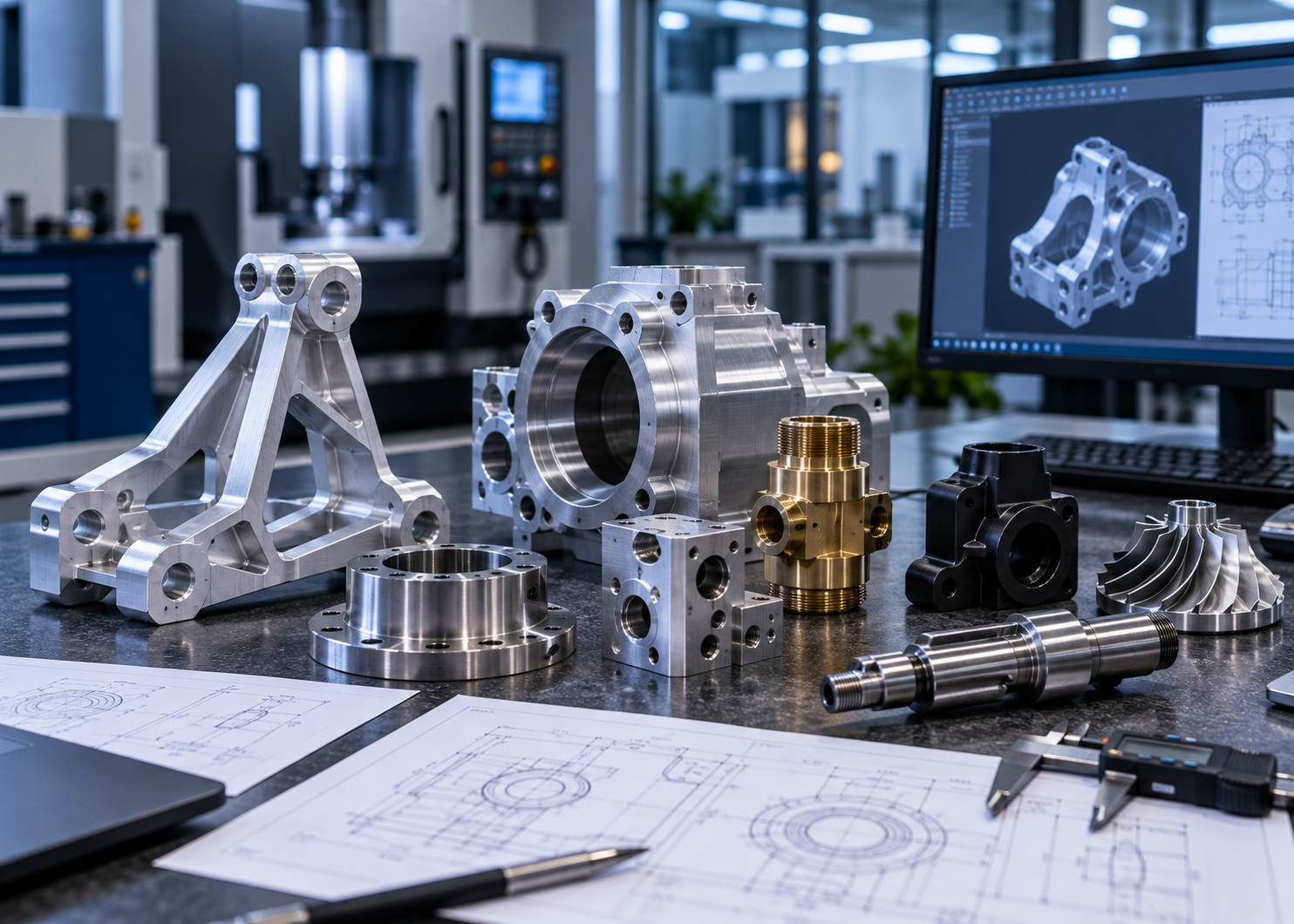
Precision CNC prototype components for aerospace automotive oil and gas medical and industrial engineering projects
Cross-Industry Engineering

Prototypes Built Around the Application

Material, geometry, inspection scope and prototype objectives can be aligned with the specific engineering requirements of each project rather than using a one-size-fits-all manufacturing approach.

Aerospace & Aviation Prototype brackets, housings and precision components for engineering development requirements.
Automotive Prototype mechanical parts, fixtures, housings and development components.
Oil & Gas Development parts, fittings, fixtures and project-specific precision components.
Medical & Precision Equipment Precision development components and prototype hardware for engineering evaluation.
Industrial Engineering Machine components, fixtures, tooling and engineering development parts.
Defence & Special Projects Prototype and project-specific precision components subject to applicable project requirements.
Sector-Specific Requirements Define the Application Before Prototype Machining

Share the component application, material, drawings, test objective and any project-specific inspection or documentation requirements during RFQ review.

Discuss Your Application
Prototype Manufacturing FAQs

Common Questions About CNC Prototype Manufacturing.

Prototype machining requirements depend on geometry, material, quantity, inspection needs and what the component is intended to validate. These answers cover common considerations before submitting a prototype RFQ.

What is CNC prototype manufacturing?

CNC prototype manufacturing uses machining processes such as milling and turning to produce physical components from engineering materials. These parts can be used for design validation, assembly checks, functional evaluation, engineering development and preparation for future production.

What quantities can be produced for prototype projects?

Prototype projects may involve a single component or a small development batch. The appropriate quantity depends on the engineering objective, testing requirement and whether several assemblies or design evaluations are required.

Can GPW support both CNC milling and CNC turning prototypes?

Yes. Prototype requirements can include milled components such as housings, brackets and plates, as well as turned components such as shafts, bushings, sleeves, spacers and fittings. The suitable machining approach depends on the component geometry and project requirements.

What materials can be used for CNC prototypes?

Common prototype materials can include aluminium, stainless steel, carbon and alloy steel, brass, copper and engineering plastics. The final material choice should reflect the prototype objective, component geometry and any functional or production-representative requirements.

What CAD or drawing files should be provided?

Provide the latest available engineering information, ideally including a 3D CAD model and a controlled 2D drawing where tolerances, threads, material, critical dimensions, surface requirements and other project-specific information are defined.

What tolerances can be achieved on prototype components?

Suitable tolerances depend on component size, geometry, material, machining access, feature type and functional requirements. Critical tolerances should be identified on the drawing so they can be reviewed as part of the prototype RFQ rather than assuming one tolerance applies to every feature.

Can prototype inspection and CMM verification be supported?

Dimensional verification and CMM support can be coordinated where appropriate to the project. Critical features, inspection scope and any required documentation should be specified during the RFQ stage so the verification requirement can be reviewed before machining begins.

Can an approved prototype move into repeat production?

Yes. Once the prototype has been evaluated and the design is approved, the latest drawing revision, material specification, inspection requirements and expected production quantities can be reviewed for low-volume or repeat CNC manufacturing.

Have a Prototype Requirement Not Covered Here?

Send your drawing, CAD model, material, quantity, critical features and engineering objective for review.

Contact GPW
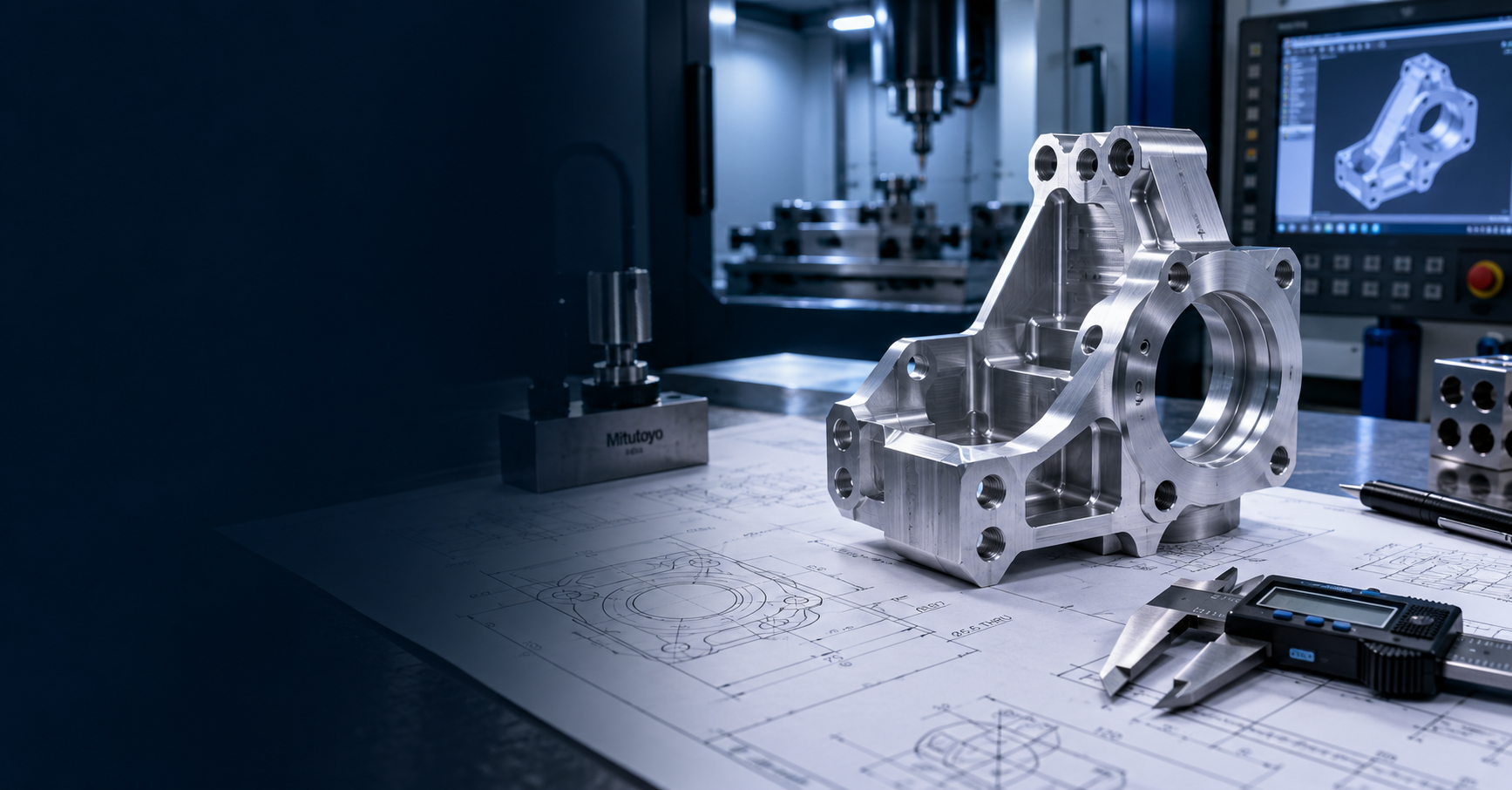
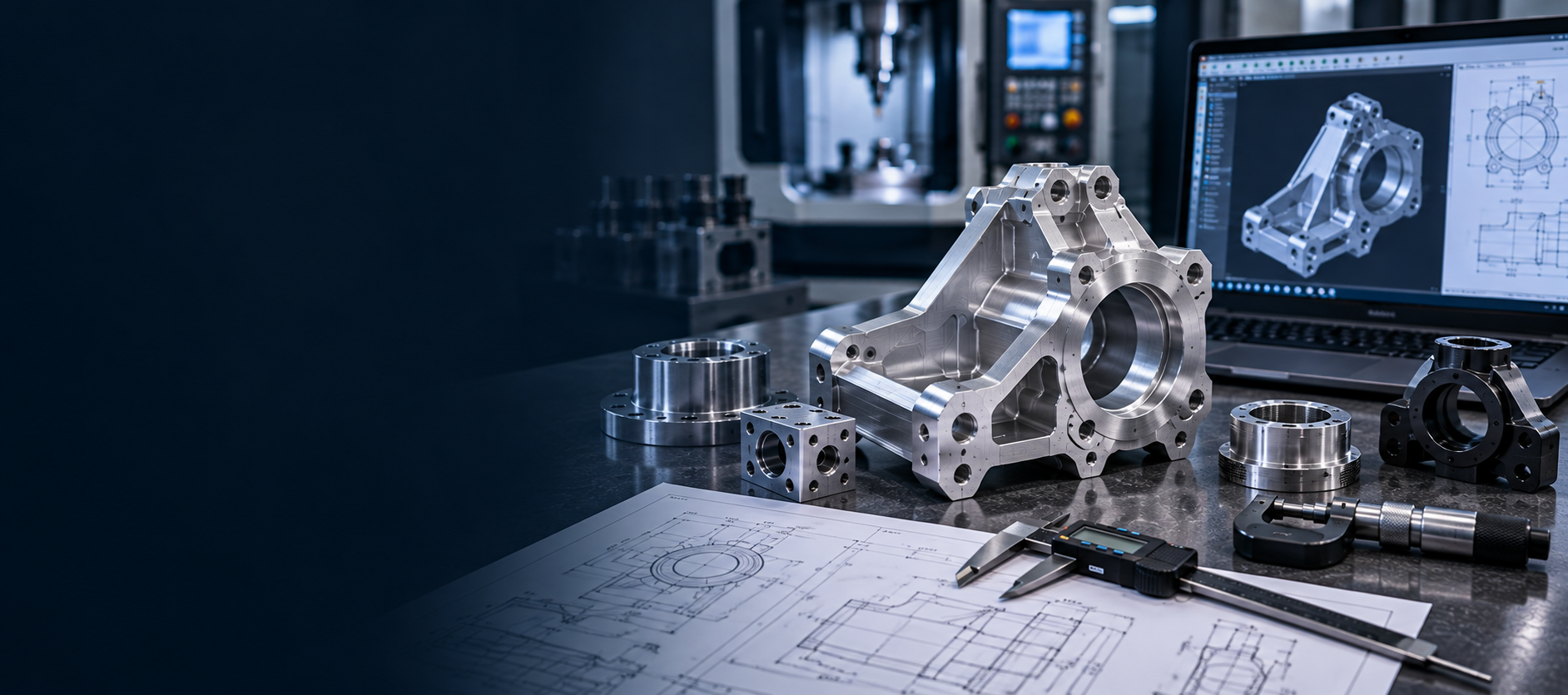
Precision CNC-machined prototype component with engineering drawing and inspection tools

Start Your Prototype Project

Ready to Turn Your CAD Model Into a Functional CNC Prototype?

Share your latest drawings, CAD model, material specification, prototype quantity, critical features, inspection requirements and engineering objective with Gulf Precision Works. We can review the complete prototype scope and coordinate CNC machining for engineering projects across the UAE and wider Gulf region.

Engineering Data Drawing & CAD Model
Material Required Grade
Quantity Prototype Volume
Verification Critical Features
Objective Fit, Function or Validation