Medical & Precision Equipment Components

Medical Equipment CNC Machining for Dubai & UAE Engineering Projects.

Precision Components for Medical Technology, Laboratory & Diagnostic Equipment.

Gulf Precision Works supports CNC-machined component requirements for medical equipment, laboratory systems, diagnostic equipment and precision healthcare technology projects serving customers in Dubai, across the UAE and throughout the wider GCC.

Instrument Housings Laboratory Equipment Diagnostic Components Fixtures & Mounts Precision Hardware

Material, tolerance, surface finish, inspection and documentation requirements are reviewed against the customer's drawing and project specification.

Precision Equipment Engineering Priorities

Manufacture Around the Critical Equipment Interfaces.

Components used within medical, laboratory and diagnostic equipment can contain closely controlled interfaces, mounting features and functional surfaces. Manufacturing requirements should therefore follow the supplied drawing, material specification and intended equipment assembly.

01 · Precision

Critical Interfaces

Bores, mounting faces, slots and mating features can influence fit within the final equipment assembly.

02 · Material

Defined Specification

Material grade should follow the supplied drawing, project specification or approved engineering requirement.

03 · Geometry

Compact Features

Thin walls, pockets, threads and multi-surface geometry may require careful machining strategy and workholding.

04 · Surface

Finish & Edge Condition

Surface finish, deburring and edge requirements should be identified where they are functionally important.

05 · Verification

Inspection Requirements

Critical dimensions and project documentation can be defined at RFQ stage where specific verification is needed.

Project Definition The Drawing Defines the Manufacturing Requirement.

Component geometry, material, tolerance and inspection requirements should be established before manufacturing scope is confirmed.

Input Drawing / CAD
Review Material & Interfaces
Output Defined Component Scope

Regulatory, cleanliness, sterilisation, biocompatibility or certification requirements are not assumed and should be clearly identified by the customer where they form part of the project specification.

Typical Component Applications

Precision Components for Medical & Laboratory Equipment.

Gulf Precision Works supports CNC-machined component requirements for medical technology, laboratory systems, diagnostic equipment and precision instruments serving projects in Dubai, across the UAE and wider GCC.
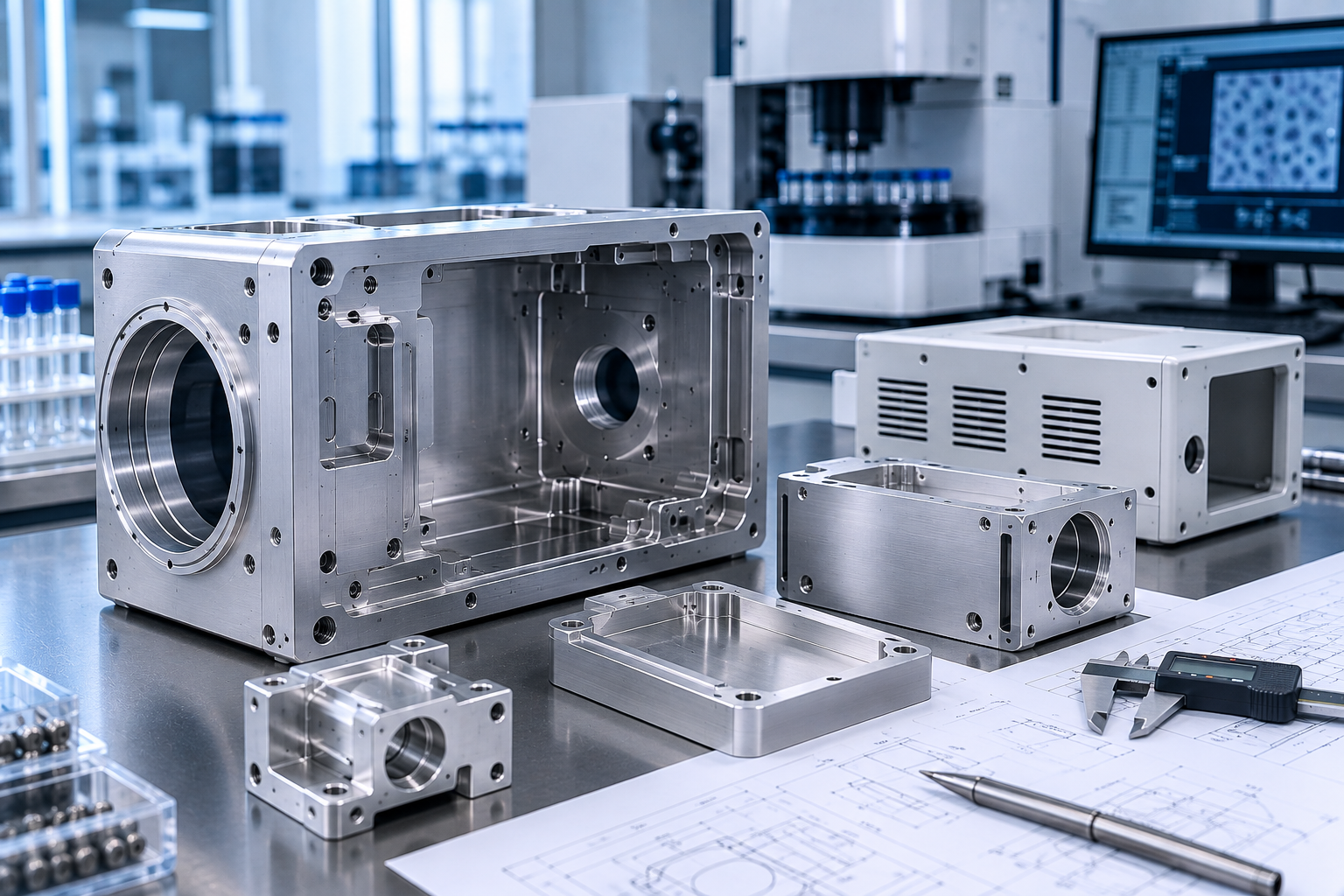
Precision machined instrument housings and equipment enclosures for medical and laboratory equipment
Equipment Architecture

Instrument Housings & Enclosures

Machined bodies and housings with mounting faces, pockets, bores and equipment interface features.
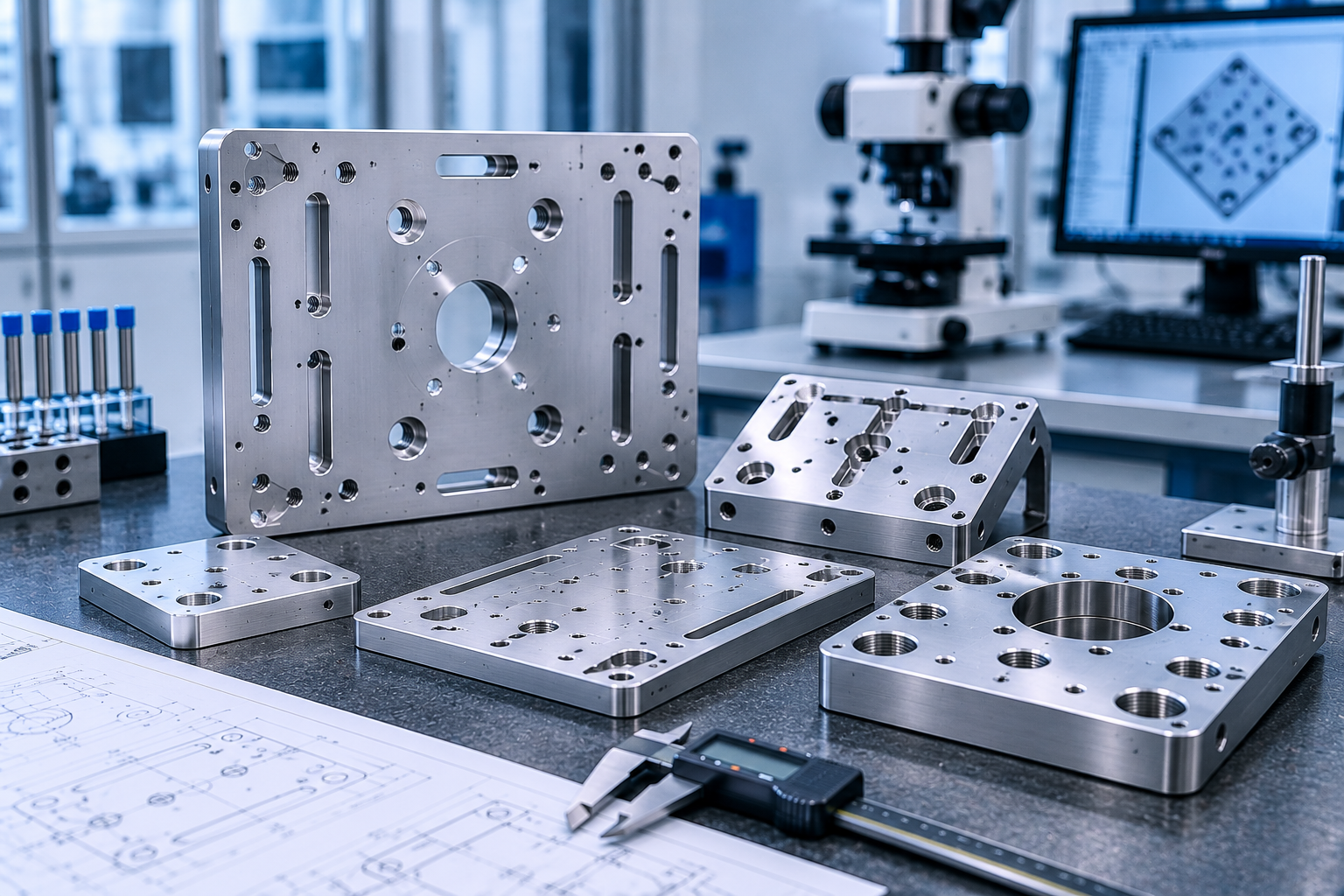
Precision machined mounting plates for medical laboratory and diagnostic equipment
Mounting

Equipment Mounting Plates

Plates with controlled hole patterns, pockets, slots and equipment interfaces.
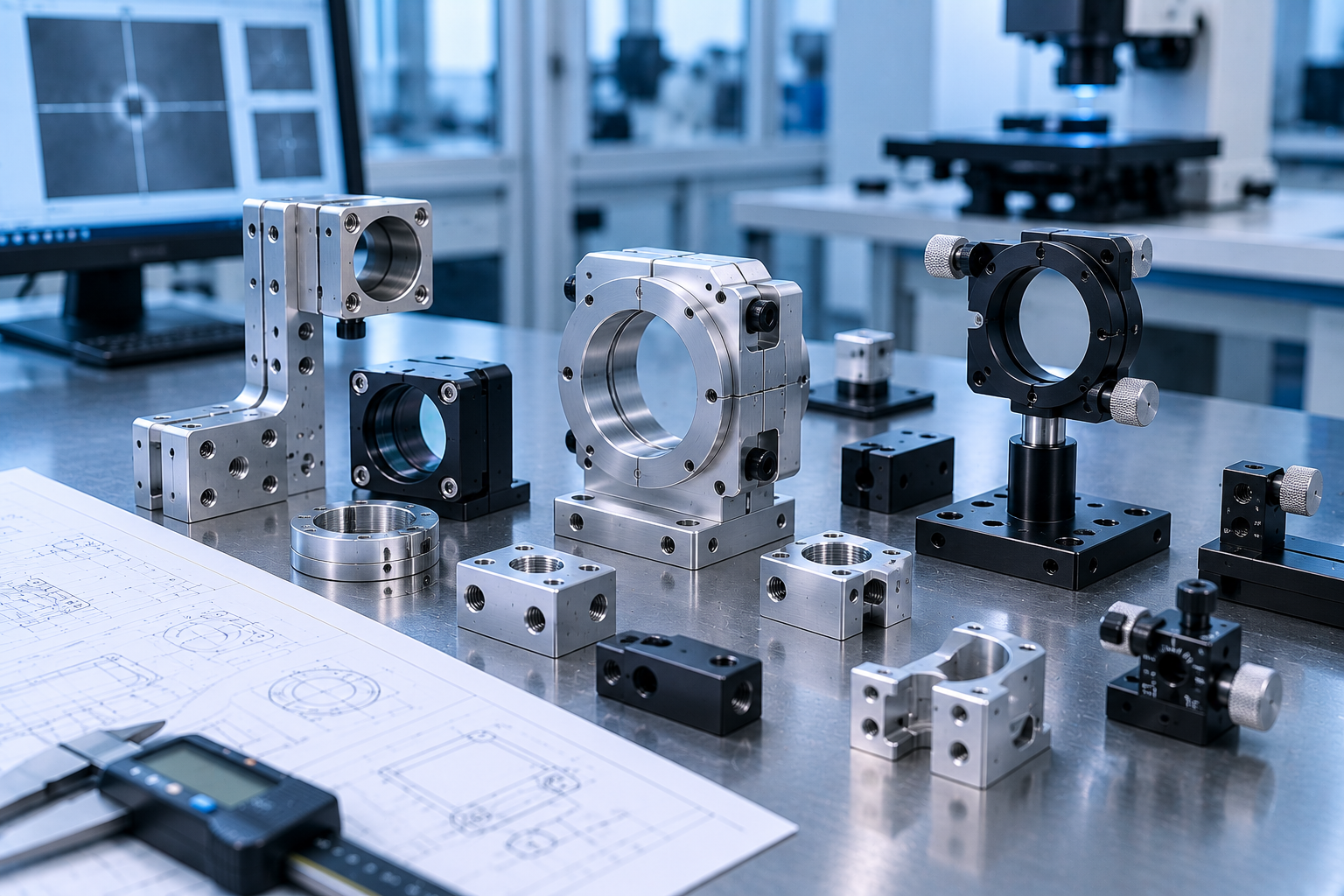
Precision machined sensor and optical mounting components for laboratory and diagnostic equipment
Precision Positioning

Sensor & Optical Mounts

Compact mounting components for project-defined sensing, positioning and instrument interfaces.

Precision machined laboratory equipment fixtures holders and support components
Laboratory Equipment

Fixtures & Holders

Custom locators, supports and fixture components designed around equipment requirements.
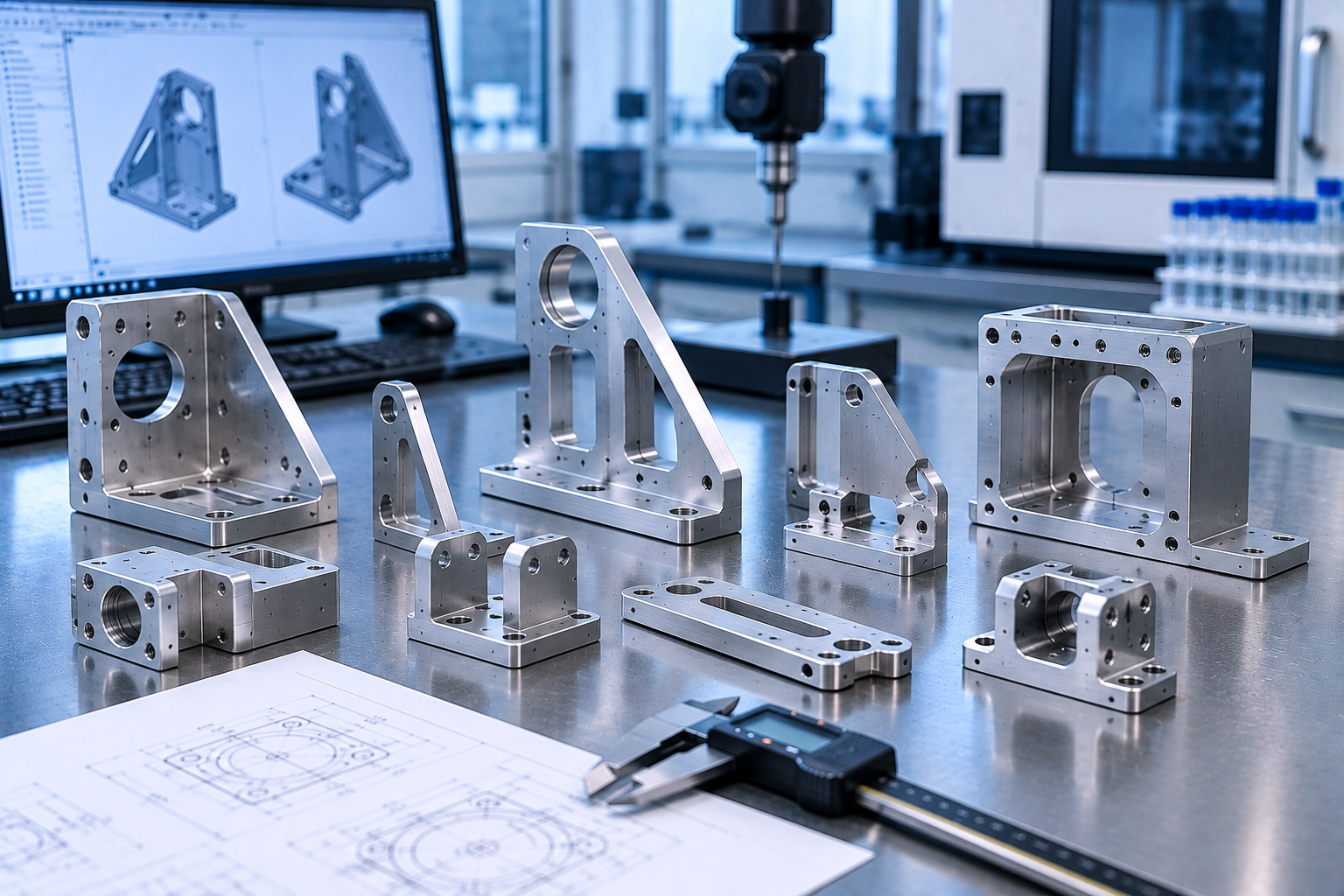
Precision machined brackets supports and mounting components for diagnostic equipment
Equipment Integration

Brackets & Support Components

Machined brackets and supports for defined equipment and assembly interfaces.
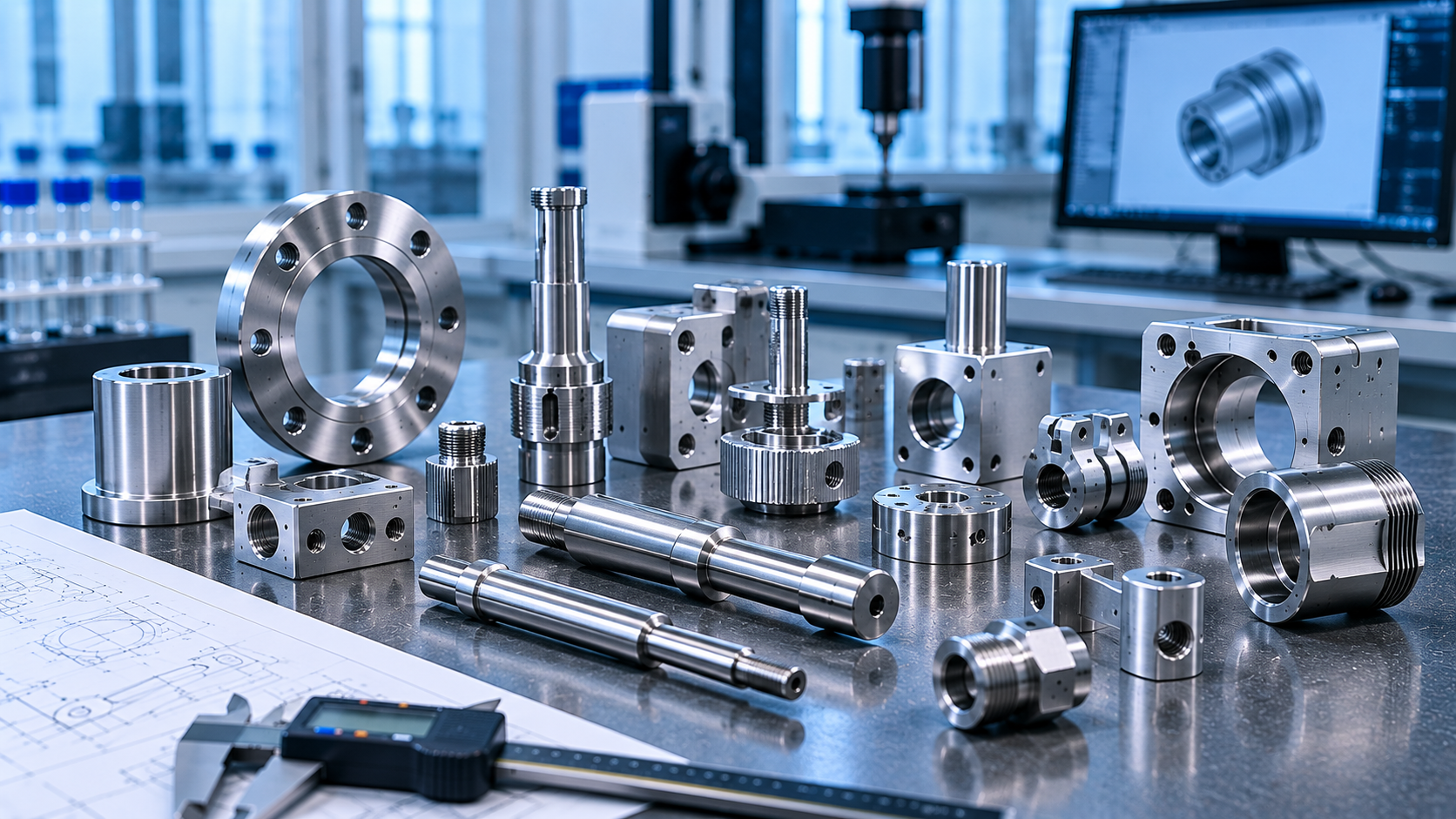
Precision machined custom hardware shafts spacers adapters and instrument components for medical and laboratory equipment
Custom Precision Components

Precision Hardware & Instrument Components

Shafts, spacers, adapters, blocks, interfaces and other custom machined components can be reviewed against the supplied drawing, material and project requirements.
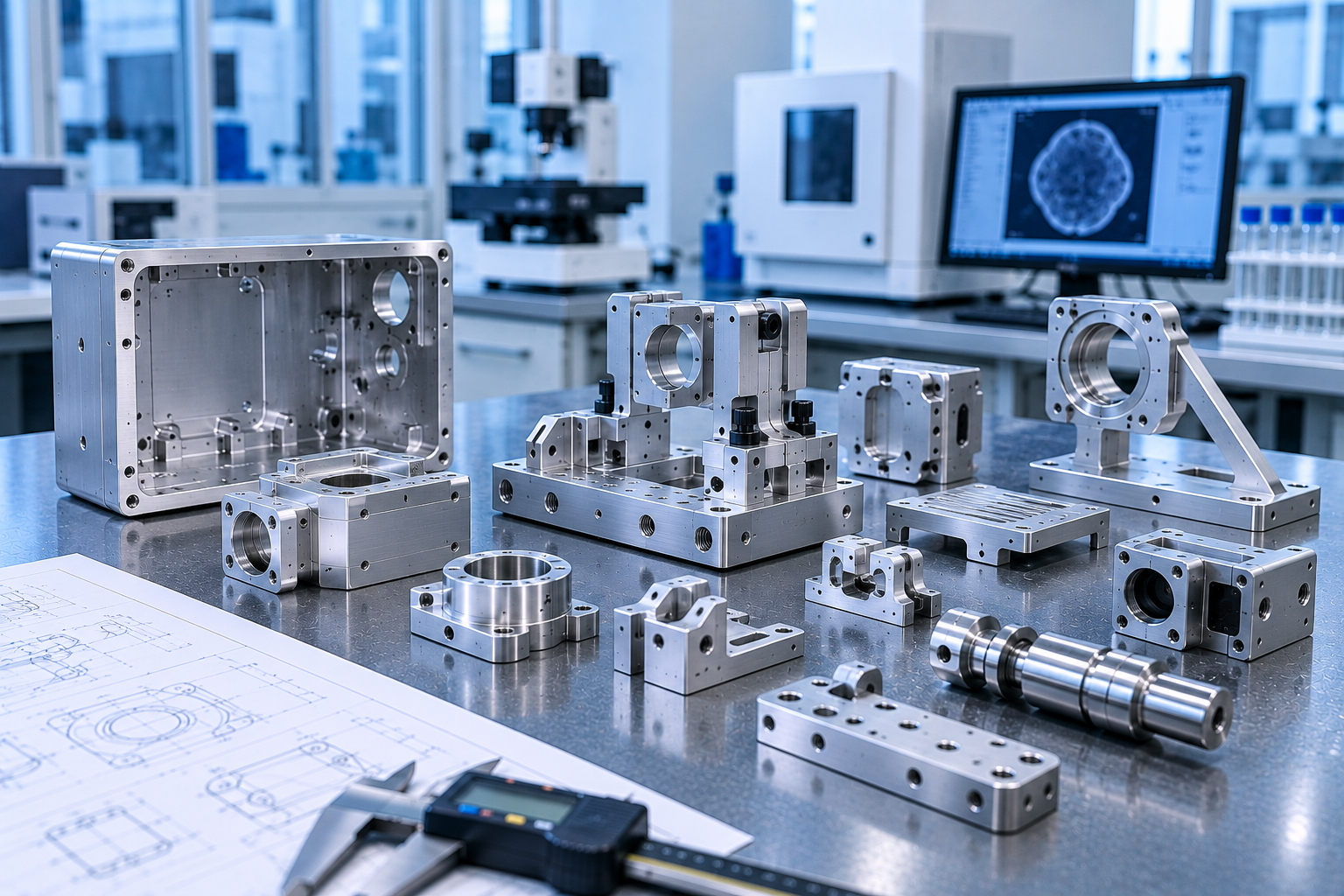
Component Examples Are Indicative. Final manufacturing scope follows the customer's drawing, specification and applicable project requirements.
Geometry Precision Interfaces
Application Equipment Components
Project Drawing Defined

Materials, Geometry & Surface Requirements

Follow the Component Specification, Not Assumptions.

Medical, laboratory and diagnostic equipment components can have very different material, geometry, surface and inspection requirements. These should be defined by the customer's drawing and project specification before manufacturing scope is confirmed.

01 · Material

Specified Material Grade

Aluminium, stainless steel, engineering plastics or other materials should follow the approved project requirement.

02 · Geometry

Functional Features

Pockets, bores, thin sections, threads and mounting interfaces can influence machining strategy.

03 · Surface

Finish & Edge Condition

Surface texture, deburring and defined edge conditions should be identified where functionally important.

04 · Verification

Critical Dimensions

Tolerances and inspection requirements should be clearly identified for critical equipment interfaces.

Manufacturing Review

Geometry and Surface Requirements Influence the Process.

Wall thickness, mating faces, internal pockets, precision bores and specified surface conditions can affect machining sequence, workholding and inspection planning.

Interfaces Bores & Mating Faces
Structure Walls & Pockets
Surface Finish & Edge Definition
Quality Drawing-Defined Inspection
Application-Specific Requirements Must Be Identified by the Customer.

Requirements relating to cleanliness, sterilisation, biocompatibility, special coatings, regulated use or other application-specific controls are not assumed and should be clearly defined within the RFQ and project documentation.

Precision machined housings fixtures mounts and instrument components for medical laboratory and diagnostic equipment Housings · Fixtures · Instrument Components

Equipment Integration Components

Components Designed Around Real Equipment Interfaces.

Medical, laboratory and diagnostic equipment assemblies can require compact housings, mounting plates, fixtures and instrument components that integrate with sensors, frames, covers and adjacent hardware.

Housings Equipment Bodies & Enclosures
Fixtures Holders, Locators & Supports
Interfaces Mounting Plates & Brackets
Instruments Custom Precision Hardware
Interface Definition Comes First

Mating faces, hole patterns, clearances, bores and mounting locations should be defined by the drawing or approved project information before manufacturing scope is confirmed.

Prototype & Development Components

Support Engineering Development Before Repeat Production.

New laboratory, diagnostic and medical equipment projects can require prototype components, design revisions and low-volume engineering parts before the final manufacturing requirement is established.

01 · Review

Drawing & CAD Assessment

Geometry, material, critical interfaces and project requirements can be reviewed before machining.

02 · Prototype

Development Components

Initial machined parts can support fit, assembly and equipment-development activities.

03 · Revise

Engineering Changes

Updated drawings or CAD revisions can be reviewed as the component design develops.

04 · Repeat

Defined Repeat Requirement

Once the design is established, future supply can follow the latest approved component information.

Development Review

Design Changes Should Remain Traceable.

Revision status, updated dimensions and material requirements should be clearly communicated so each manufacturing stage follows the current component definition.

Geometry Latest Drawing Revision
Material Defined Grade
Interfaces Fit & Assembly Features
Quantity Prototype to Repeat
Prototype Supply Does Not Replace Product Validation.

Product testing, regulatory approval, clinical suitability, sterilisation validation or other application-specific qualification remains outside the machining scope unless explicitly defined and supported within the project requirement.

Inspection, Documentation & Repeat Requirements

Verify the Component Against the Approved Project Definition.

Precision equipment components can require dimensional verification, defined documentation and controlled revision information. These requirements should be agreed at RFQ stage and linked to the current drawing or project specification.

01 · Define

Critical Requirements

Dimensions, tolerances, materials and inspection needs should be identified before manufacturing begins.

02 · Inspect

Dimensional Verification

Critical bores, faces, interfaces and geometry can be inspected against the supplied drawing.

03 · Document

Project-Defined Records

Inspection reports, material records or other documents should be specified where required by the project.

04 · Repeat

Controlled Repeat Supply

Repeat requirements can follow the latest approved revision and agreed manufacturing scope.

Inspection Should Match the Drawing Requirement. Verification effort is defined by the agreed project scope, not by assumptions about the end application.
Inspect Critical Dimensions
Record Required Documentation
Control Latest Revision
Documentation Is Defined by the Project.

Inspection reports, material certificates, CMM records, surface-treatment documentation or other project records are not assumed for every order and should be specified during the RFQ stage where required.

Medical & Precision Equipment RFQ

Need Precision Components for Medical Equipment Projects in Dubai or the UAE?

Send your drawing, CAD model, material, quantity and project requirements. Gulf Precision Works can review CNC-machined component requirements for medical technology, laboratory, diagnostic and precision equipment projects serving customers in Dubai, across the UAE and throughout the wider GCC.

Instrument Housings Laboratory Fixtures Sensor Mounts Precision Hardware Development Components
Application-specific regulatory, cleanliness, sterilisation, biocompatibility, certification or validation requirements should be identified by the customer as part of the project scope.