Automotive CNC Machining
Automotive CNC Machining for Dubai & UAE Engineering Projects.
Precision Components From Prototype Development to Repeat Production.
Gulf Precision Works supports CNC-machined automotive components including housings, brackets, mounts, shafts and custom engineered parts for customers in Dubai, across the UAE and throughout the wider GCC.
Automotive Engineering Priorities
Designed Around Fit, Function & Repeatability.
Automotive CNC components can range from one-off development parts to repeat-production requirements. Each project is reviewed around the drawing, material, geometry and intended component function.
Functional Features
Bores, mounting points, pockets and interfaces reviewed around the component design.
Material Requirements
Aluminium, steels and other specified materials matched to the approved project requirement.
Fits & Interfaces
Critical dimensions should be clearly defined where assembly and functional fit matter.
Prototype Components
Support for engineering trials, development parts and design-validation quantities.
Repeat Requirements
Manufacturing scope can progress into repeat orders once project requirements are established.
Typical Component Applications
Precision-Machined Parts for Automotive Engineering Projects.
Gulf Precision Works supports custom automotive CNC component requirements for engineering, development and repeat-production projects serving customers in Dubai, across the UAE and wider GCC.
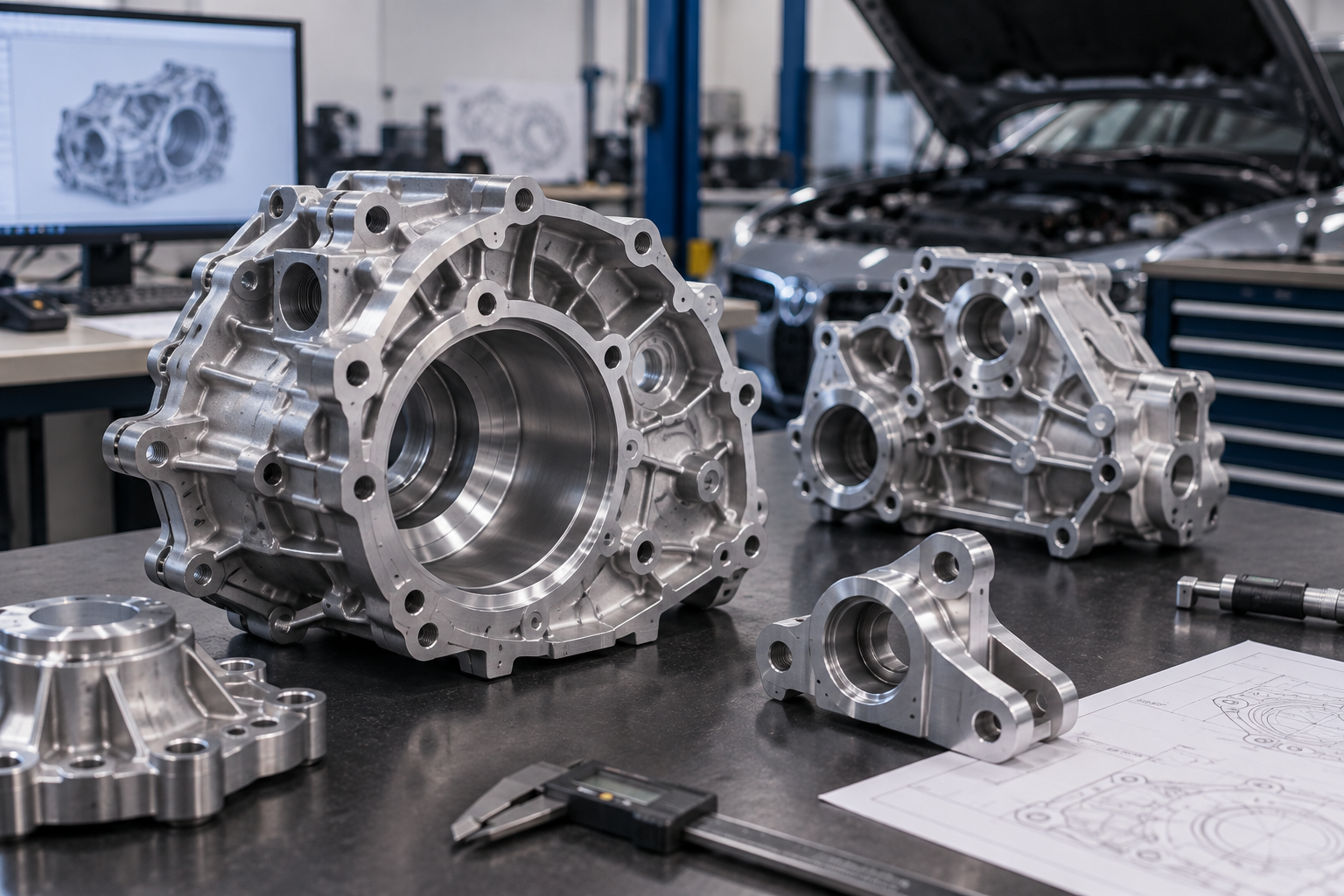
Housings & Covers
Machined bodies with bores, pockets and mounting interfaces.
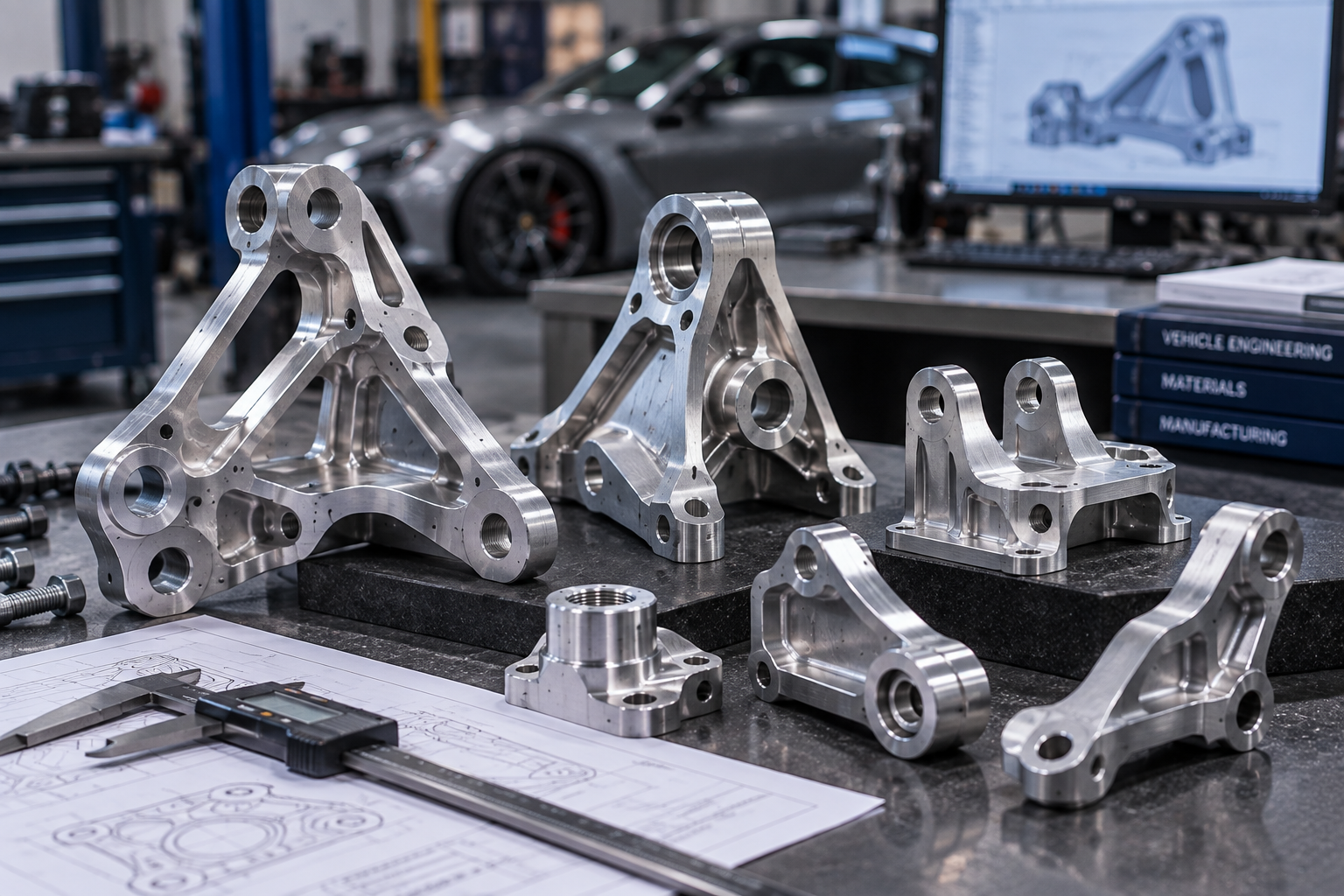
Brackets & Mounts
Lightweight mounting and structural support components.
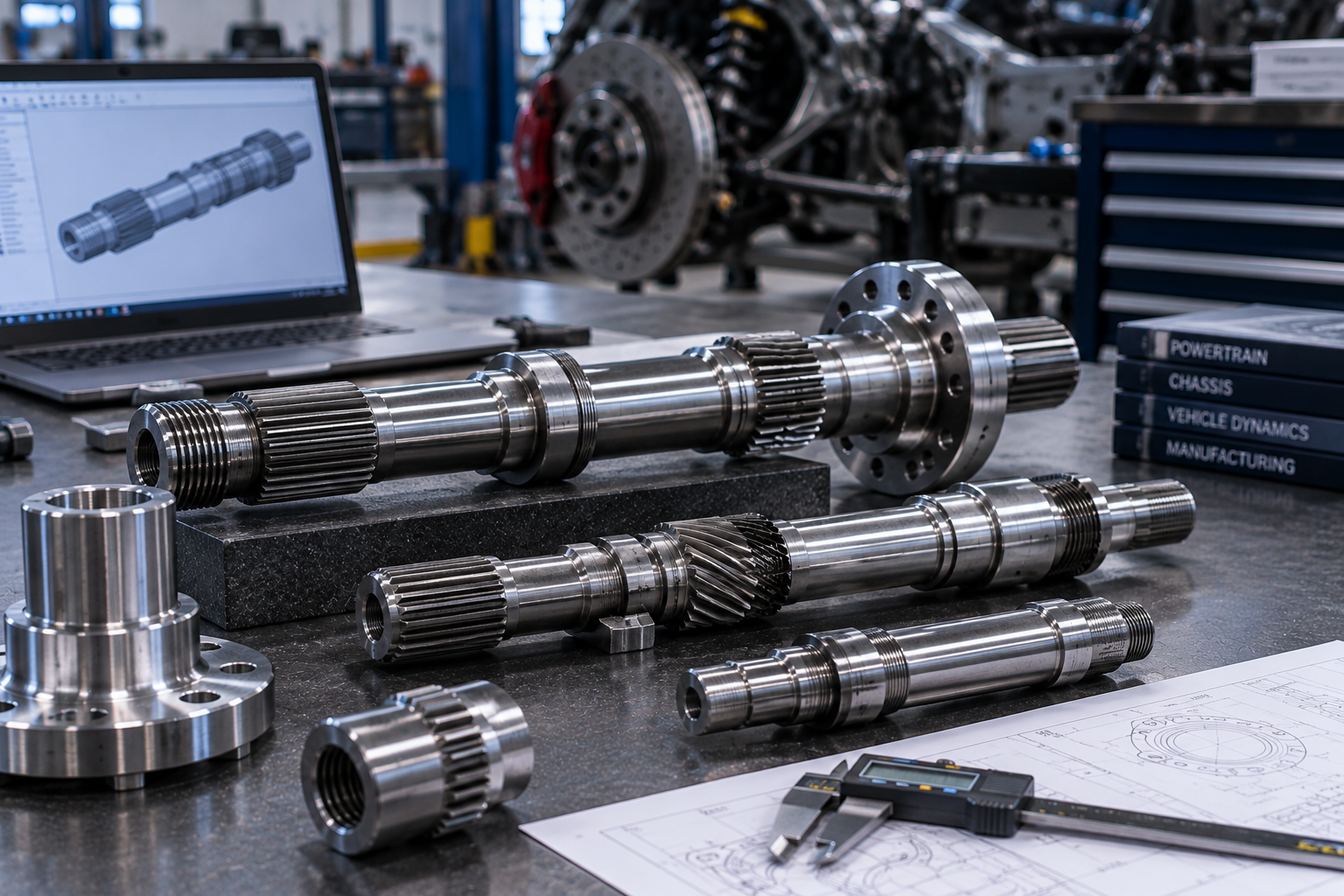
Shafts & Cylindrical Parts
Stepped diameters, threads, shoulders and machined interfaces.
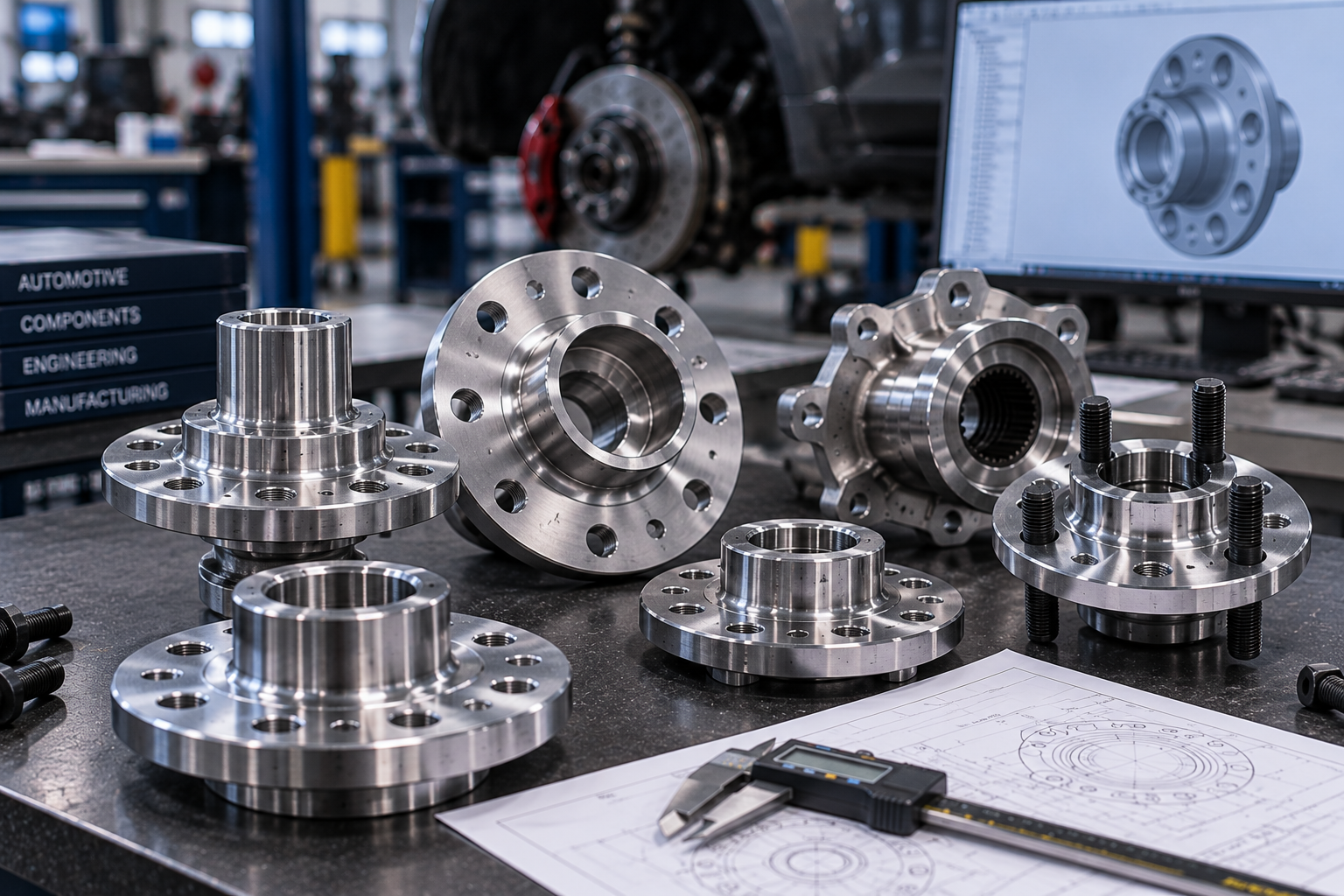
Hubs & Flanges
Precision circular parts with bores and mounting features.
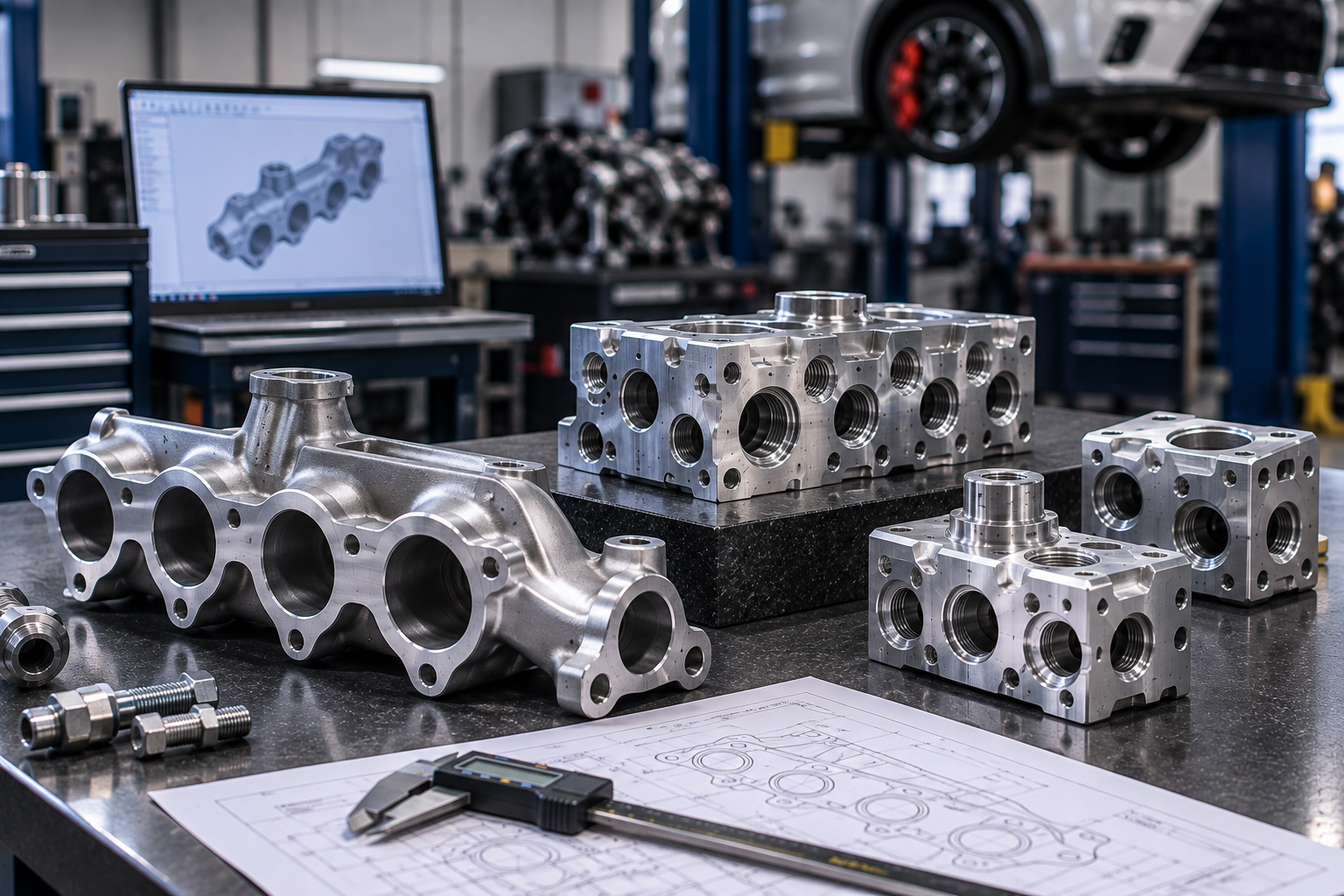
Manifolds & Precision Blocks
Multi-face components with ports, channels and threaded features.
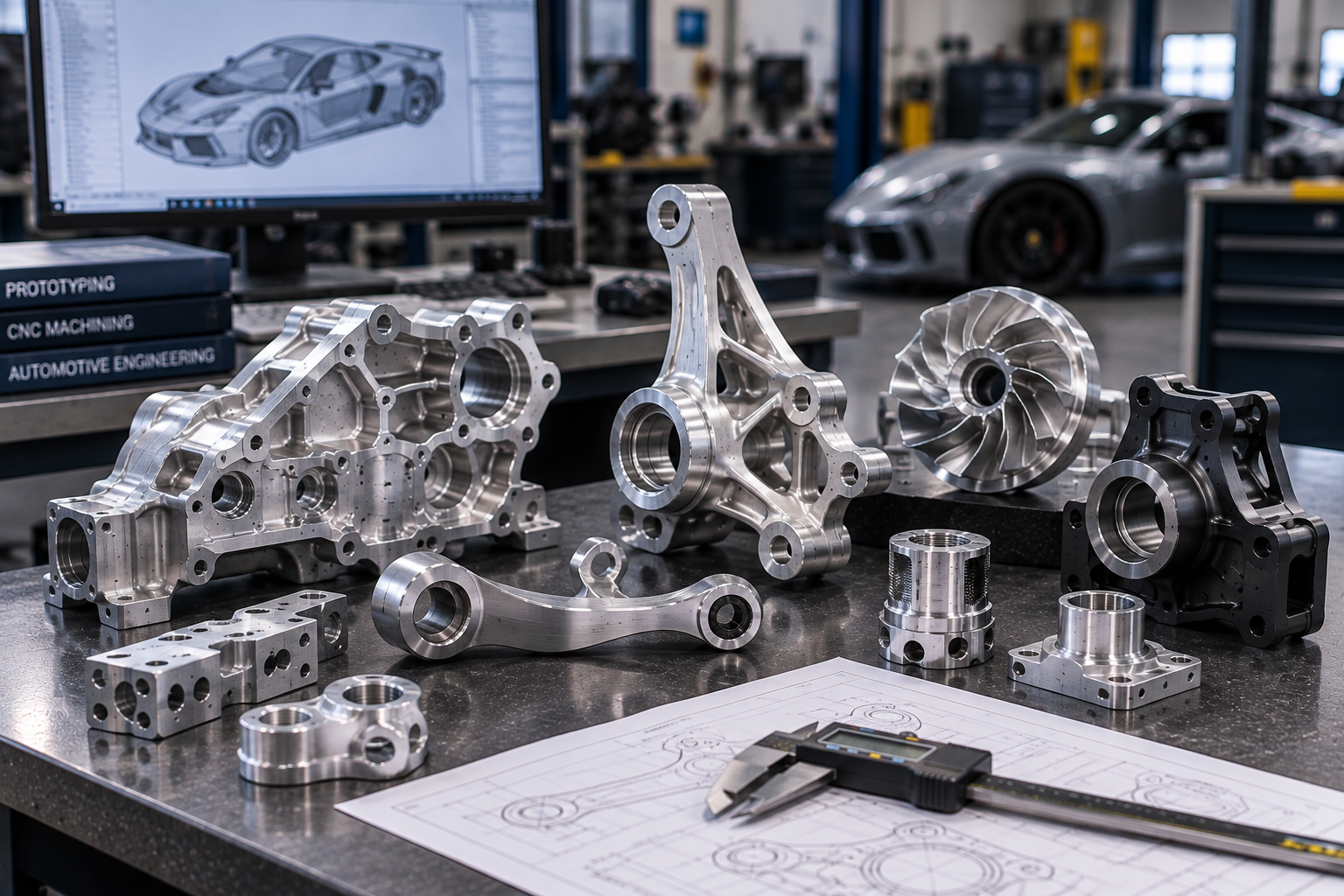
Custom Prototype Components
Project-specific parts for engineering trials and development.
Component examples are indicative. Final material, geometry, tolerance, quantity and inspection requirements are reviewed against the supplied drawing and project specification.
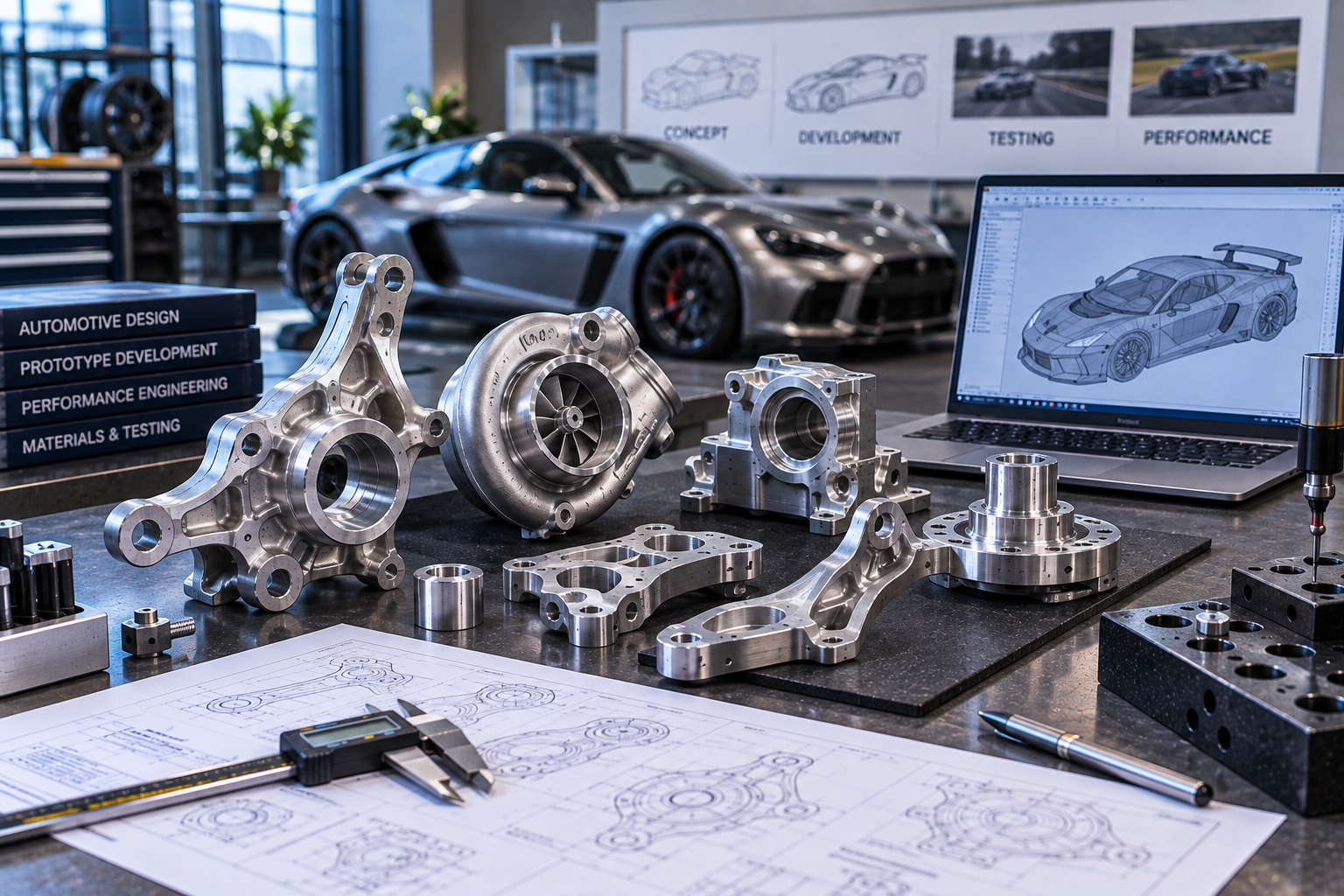
Materials, Weight & Manufacturability
Balance Component Performance With Practical CNC Manufacturing.
Material, geometry and weight targets can influence machining strategy, wall sections, tool access and production efficiency. Automotive components should therefore be reviewed as a complete engineering requirement rather than as geometry alone.
Aluminium Components
Suitable for many applications where component weight and machinability are important design considerations.
Engineering Steels
Steel grades can be reviewed where the drawing calls for specific mechanical and functional characteristics.
Weight Reduction Features
Pockets, ribs and material removal should balance component intent with machining access and stability.
Manufacturability
Feature access, setups and repeat requirements influence the final machining approach and process efficiency.
Lightweight Does Not Automatically Mean Easy to Machine.
Thin walls, deep pockets, complex contours and reduced material sections may introduce additional workholding, access and machining considerations. These should be reviewed before the final manufacturing approach is defined.
Prototype & Development Components
Prototype & Performance Development
Turn Engineering Concepts Into Machined Development Parts.
Prototype CNC components can support vehicle development, engineering evaluation, assembly trials and design refinement. Gulf Precision Works coordinates project-specific component requirements for customers in Dubai, across the UAE and wider GCC.
Material, tolerance, finish and inspection requirements should reflect what the development component is intended to verify so the manufacturing scope can be defined correctly.
Production Consistency & Inspection
Keep Repeat Components Aligned With the Approved Requirement.
Repeat automotive component requirements depend on clear drawing control, consistent manufacturing scope and inspection aligned with the features that matter to fit and function.
Drawing Control
Production should follow the latest approved drawing and clearly defined project requirements.
Critical Feature Inspection
Fits, bores, mounting interfaces and other critical dimensions can be identified for verification.
CMM Support
CMM inspection can support complex geometry or project-defined dimensional verification where required.
Project Documentation
Required inspection reports or supporting records should be defined with the RFQ where applicable.
Inspection reports, material documents or other records are not assumed for every order. Where specific documentation is required, include it at RFQ stage so the scope can be reviewed before production.
Finishing & Assembly Readiness
Define the Component's Final Condition Before Supply.
Automotive components may require surface treatment, protected interfaces or assembly-related features after machining. These requirements should be identified with the drawing so they can be coordinated as part of the complete scope.
Machining Is Only One Part of the Finished Component.
Final appearance, corrosion protection, mating surfaces, threaded features and assembly requirements can all affect how the component should be completed after machining.
Anodising & Protective Finishes
Project-defined treatment requirements can be coordinated where applicable.
Masking & Interfaces
Bores, threads and mating faces should be identified where treatment must be controlled.
Fit & Mating Surfaces
Functional interfaces should remain aligned with the drawing and intended assembly.
Required Final Condition
Specify finishing, assembly and documentation expectations at RFQ stage where required.
Surface-treatment and finishing requirements are reviewed according to material, component function and the supplied project specification.
Finishing & Assembly Readiness
Define the Component's Final Condition Before Supply.
Automotive components may require surface treatment, protected interfaces or assembly-related features after machining. These requirements should be identified with the drawing so they can be coordinated as part of the complete scope.
Machining Is Only One Part of the Finished Component.
Final appearance, corrosion protection, mating surfaces, threaded features and assembly requirements can all affect how the component should be completed after machining.
Anodising & Protective Finishes
Project-defined treatment requirements can be coordinated where applicable.
Masking & Interfaces
Bores, threads and mating faces should be identified where treatment must be controlled.
Fit & Mating Surfaces
Functional interfaces should remain aligned with the drawing and intended assembly.
Required Final Condition
Specify finishing, assembly and documentation expectations at RFQ stage where required.
Surface-treatment and finishing requirements are reviewed according to material, component function and the supplied project specification.
Automotive CNC Component RFQ
Need Precision Automotive Components for Dubai or UAE Projects?
Send your drawing, material, quantity and project requirements. Gulf Precision Works can review the manufacturing scope for automotive CNC components serving customers in Dubai, across the UAE and throughout the wider GCC.