Surface Treatment & Component Finishing
Surface Treatment for Precision CNC Components.
Finishing Requirements Coordinated Around Function, Protection and Final Appearance.
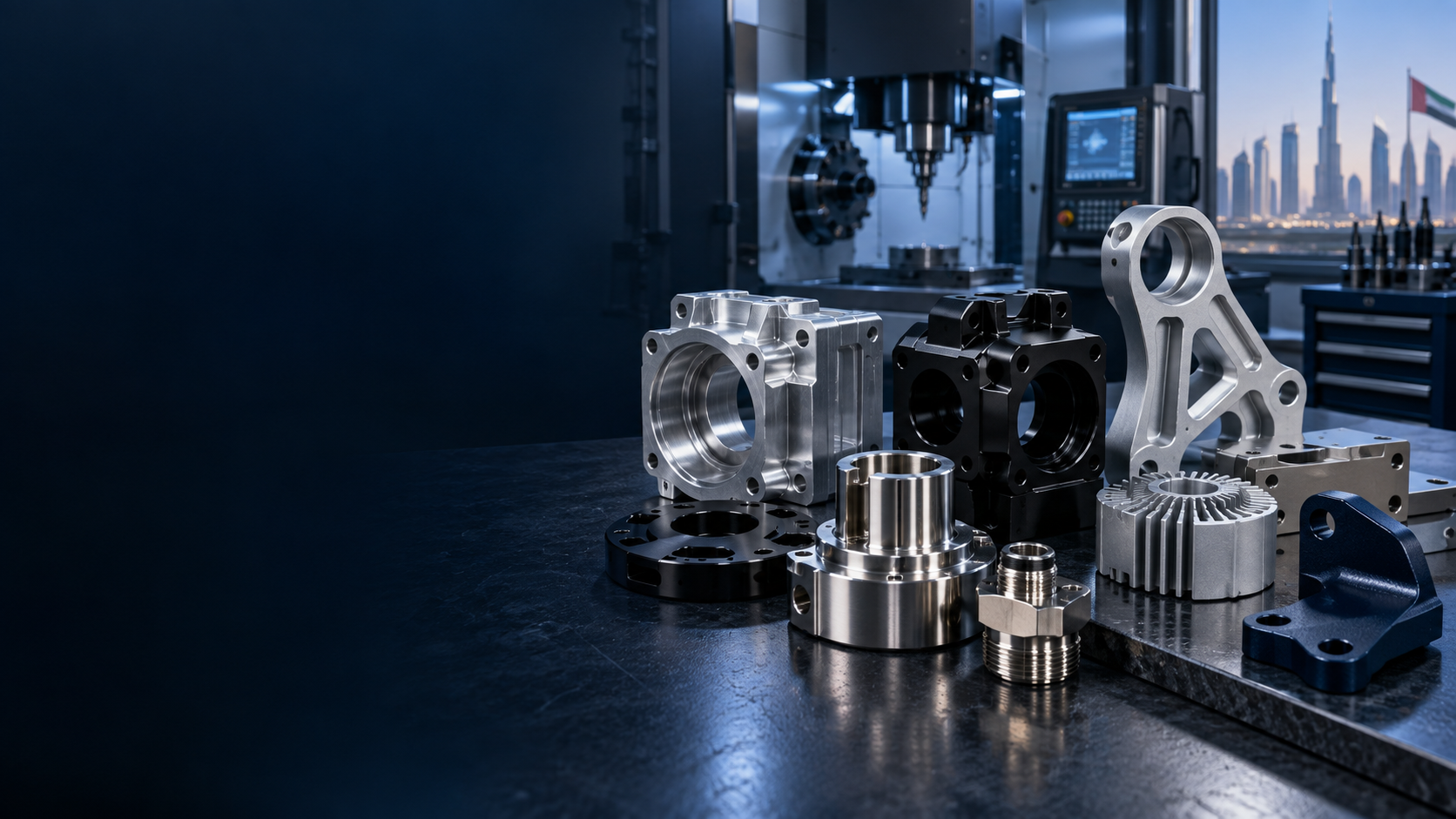
Gulf Precision Works supports surface-treatment and finishing requirements as part of the CNC manufacturing scope, coordinating suitable processes based on material, component function, environmental exposure and drawing requirements for customers across the UAE and wider Gulf region.
Why Surface Treatment Matters
The Final Surface Can Be as Important as the Machined Geometry.
Surface treatment can influence corrosion resistance, wear behaviour, appearance, friction, conductivity and environmental durability. The appropriate treatment should therefore be defined around the component material, operating conditions, functional features and drawing requirements.
Corrosion Resistance
Suitable treatments can support components exposed to moisture, chemicals or other operating environments where corrosion protection is required.
Wear & Surface Protection
Surface requirements may be selected where abrasion, repeated contact or application-specific wear behaviour needs additional consideration.
Functional & Visual Finish
Colour, texture, gloss and surface appearance may matter for visible components, customer-facing products or assembly identification.
Friction & Contact Behaviour
The final surface can influence sliding, mating and contact conditions depending on the component's intended application.
Critical Dimensions & Fits
Coating or treatment requirements should be considered around bores, threads, sealing faces and other dimensionally sensitive features.
Manufacturing Sequence
Surface treatment may affect machining, masking, inspection, assembly and final verification, so it should be considered as part of the complete process.
Start With the Application Requirement
The correct finish is not selected only by appearance. Material, environment, function and critical geometry should all be reviewed together.
Confirm compatibility between the base material and intended treatment process.
Determine whether corrosion, wear or environmental exposure drives the finish requirement.
Review internal features, threads, bores, sealing faces and potential masking areas.
Consider whether treatment build-up or surface removal may affect critical fits.
Define colour, texture or cosmetic expectations where appearance forms part of the specification.
Specify any required treatment certification, inspection records or documentation at RFQ stage.
Where a specific treatment, coating thickness, colour, masking requirement or documentation standard is required, include it with the drawing or RFQ so the full manufacturing scope can be reviewed before production.
Common Surface Treatment Options
Match the Finish to the Material and Functional Requirement.
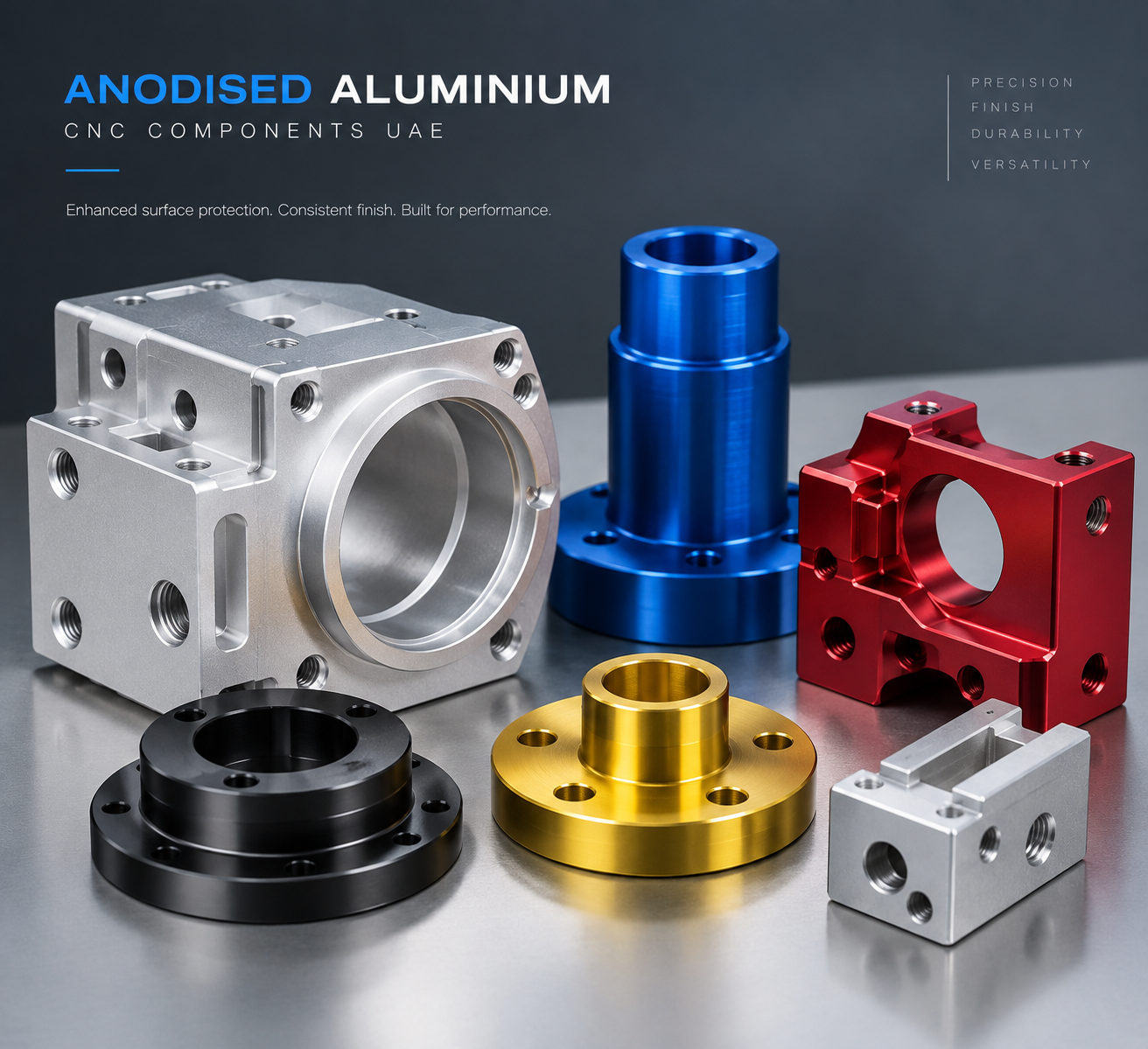
Different treatments can support different combinations of corrosion protection, wear resistance, appearance, surface condition and environmental performance. The appropriate process should be defined against the component material and project specification.
Anodising
Commonly specified for aluminium components where corrosion protection, surface appearance or a defined anodised finish is required.
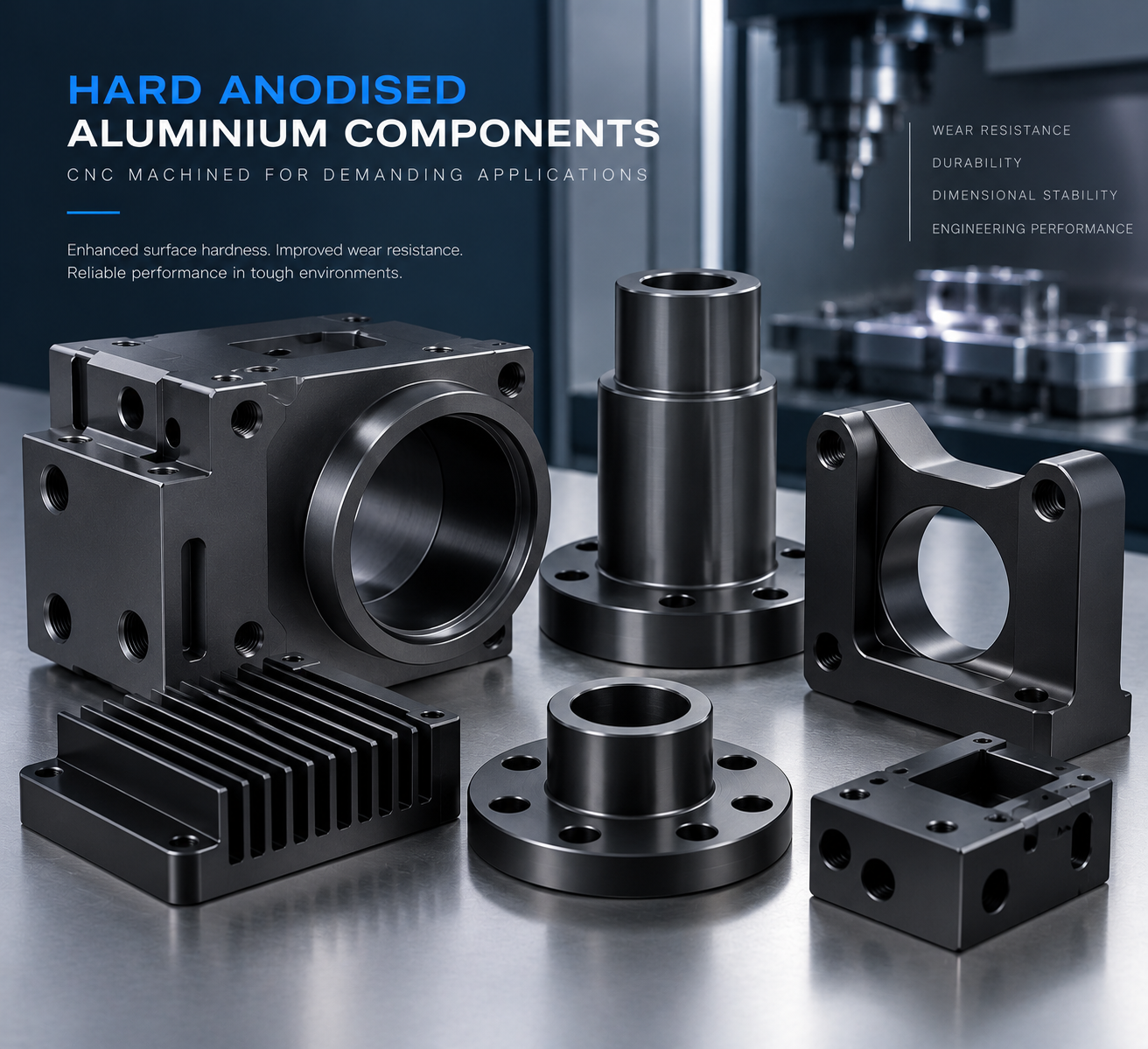
Hard Anodising
Can be specified where a harder anodised surface and enhanced wear-related performance are required by the engineering specification.
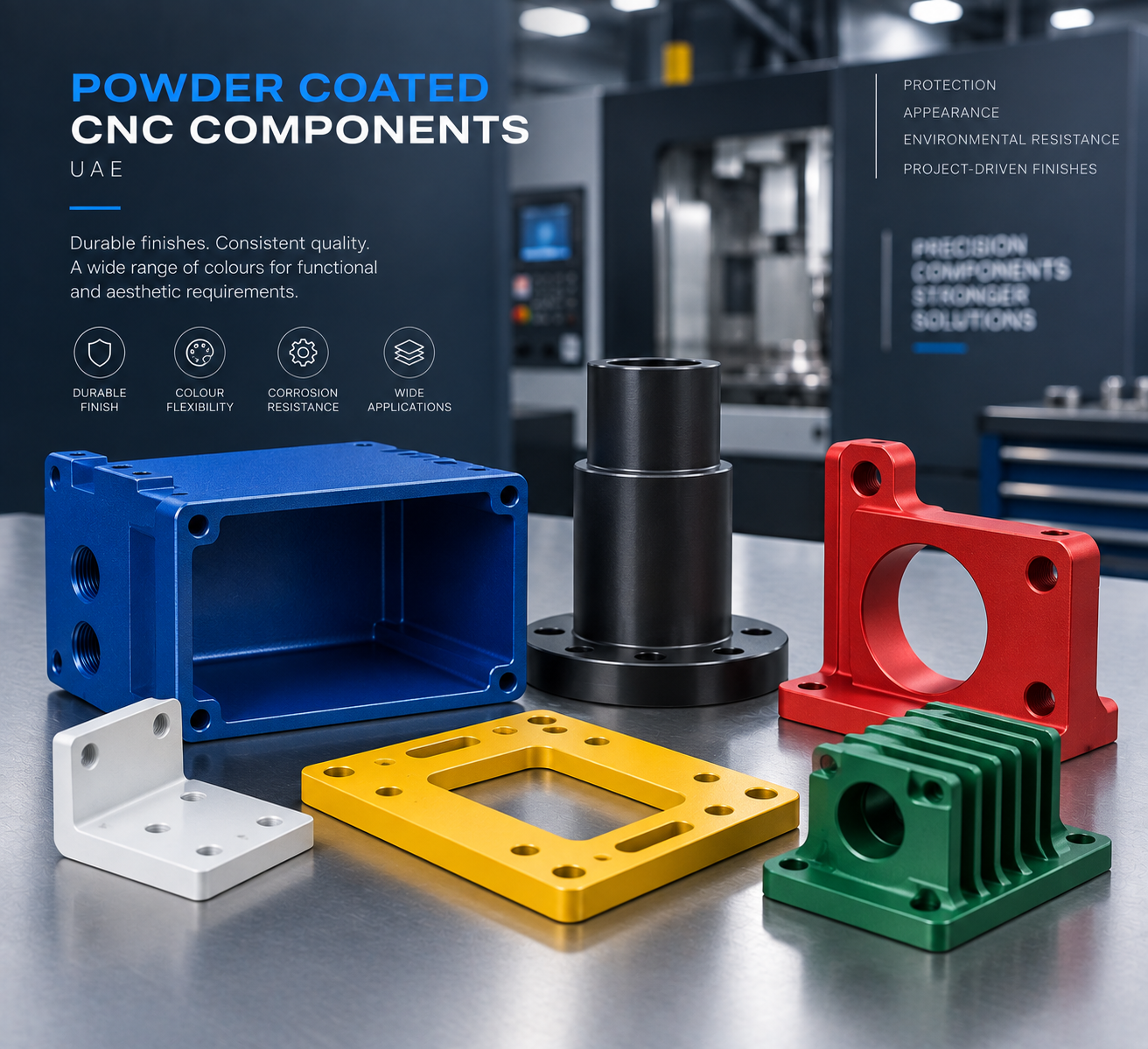
Powder Coating
Used where a durable coated surface, colour requirement or environmental protection forms part of the component specification.
Electroless Nickel Plating
Can support project requirements where a nickel-based protective coating and controlled surface properties are specified.
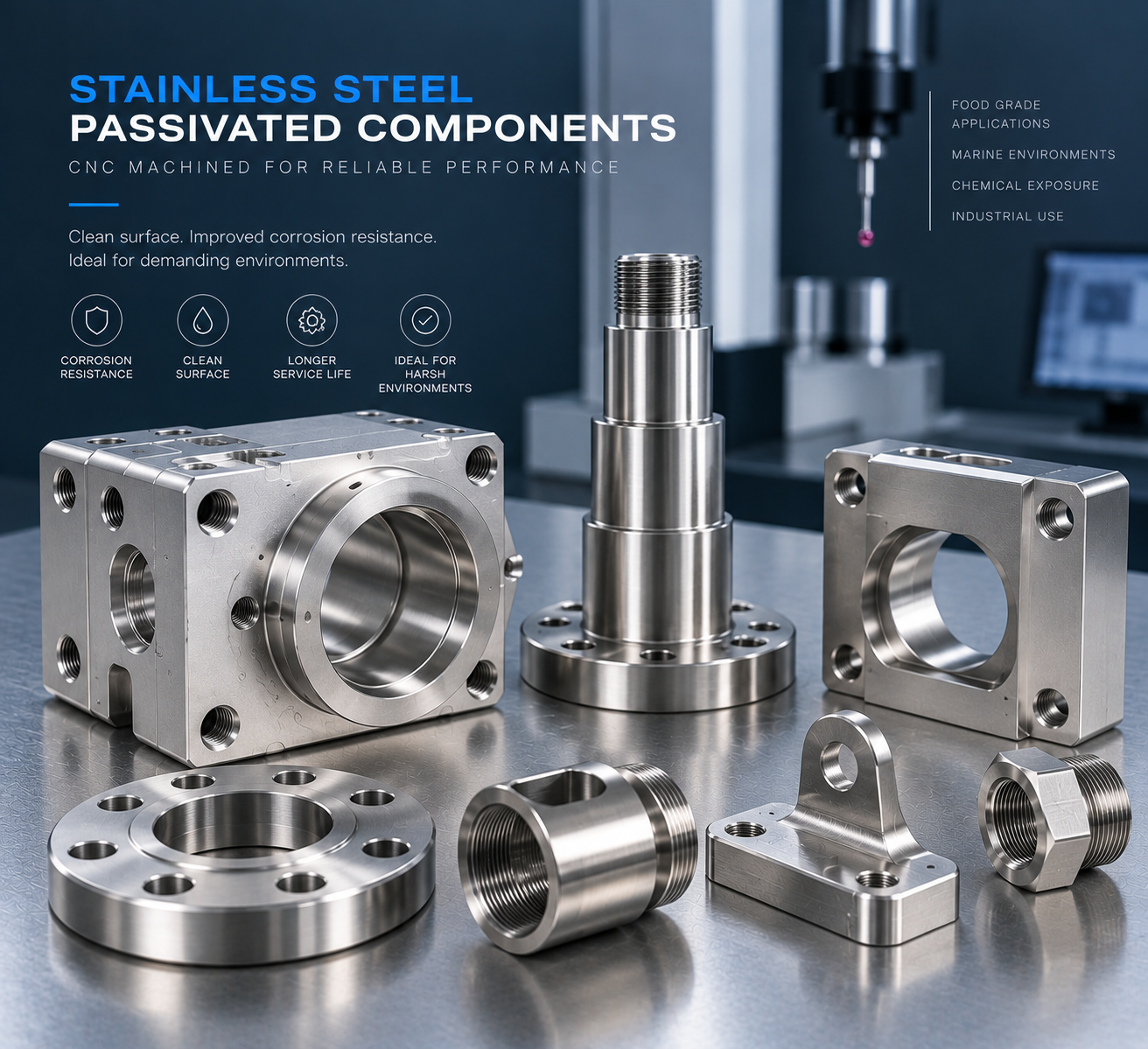
Passivation
Commonly associated with stainless steel components where the specified treatment is used to support corrosion-related surface condition.
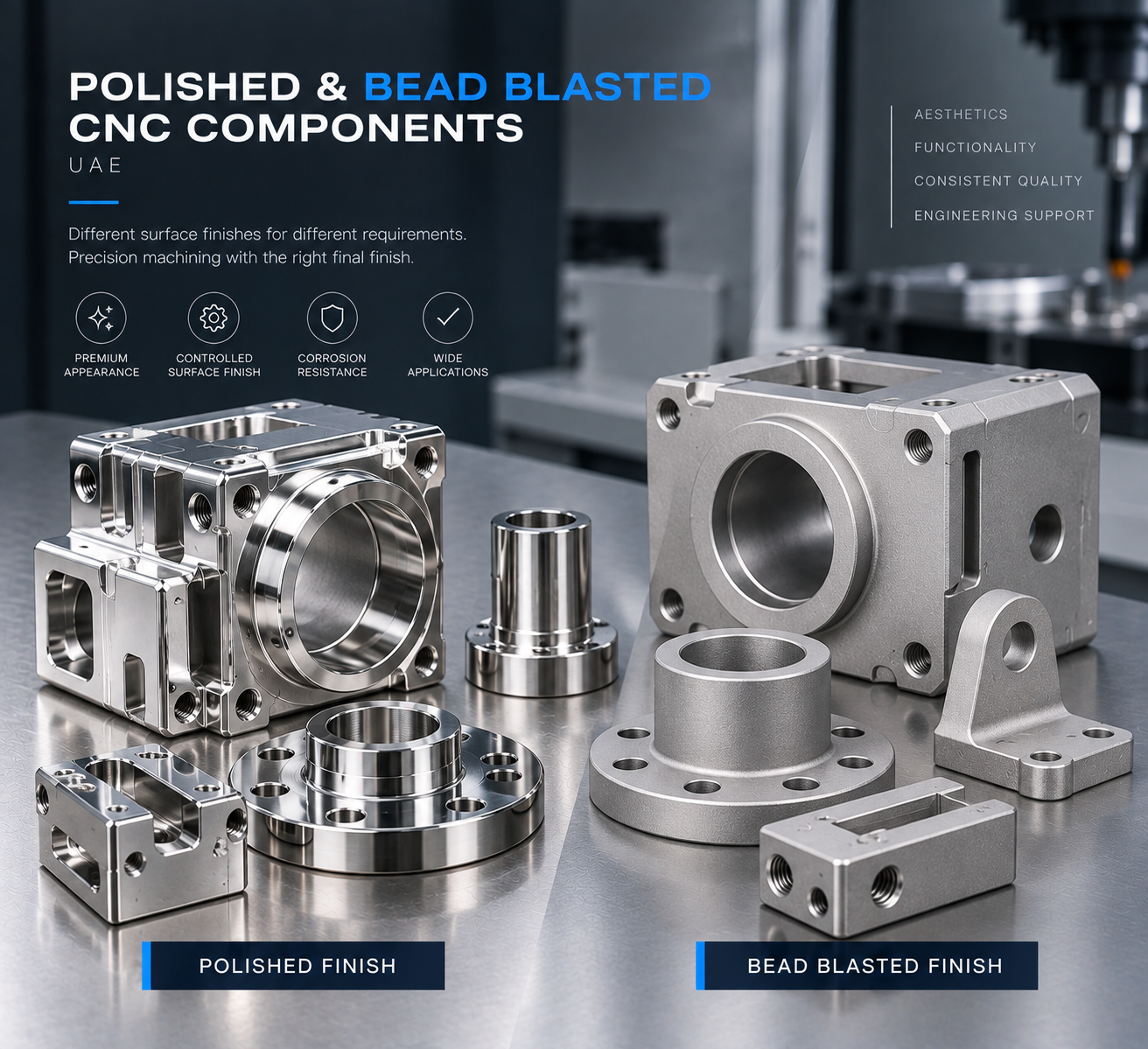
Polishing & Bead Blasting
Surface preparation and appearance treatments can be reviewed where texture, reflectivity or visual finish is part of the requirement.
Treatment should match the actual base material.
Protection, wear, appearance or other requirement.
Threads, bores, sealing faces and masking requirements.
Include finish, colour, standard and documentation needs.
Treatment availability, material compatibility, masking requirements, final appearance and any required documentation should be reviewed against the specific project before production.
Anodising & Hard Anodising
Aluminium Surface Treatments for Protection, Appearance and Wear Requirements.
Anodising is widely specified for aluminium components where corrosion protection, appearance or defined surface characteristics are required. Hard anodising may be selected where the engineering specification calls for a harder anodised surface and increased wear-related performance.
Functional & Visual Aluminium Finishes
Anodised aluminium can support corrosion-related, cosmetic and project-specific surface requirements.
Harder Surface Requirements
Can be reviewed where the drawing specifies a harder anodised surface for demanding use.
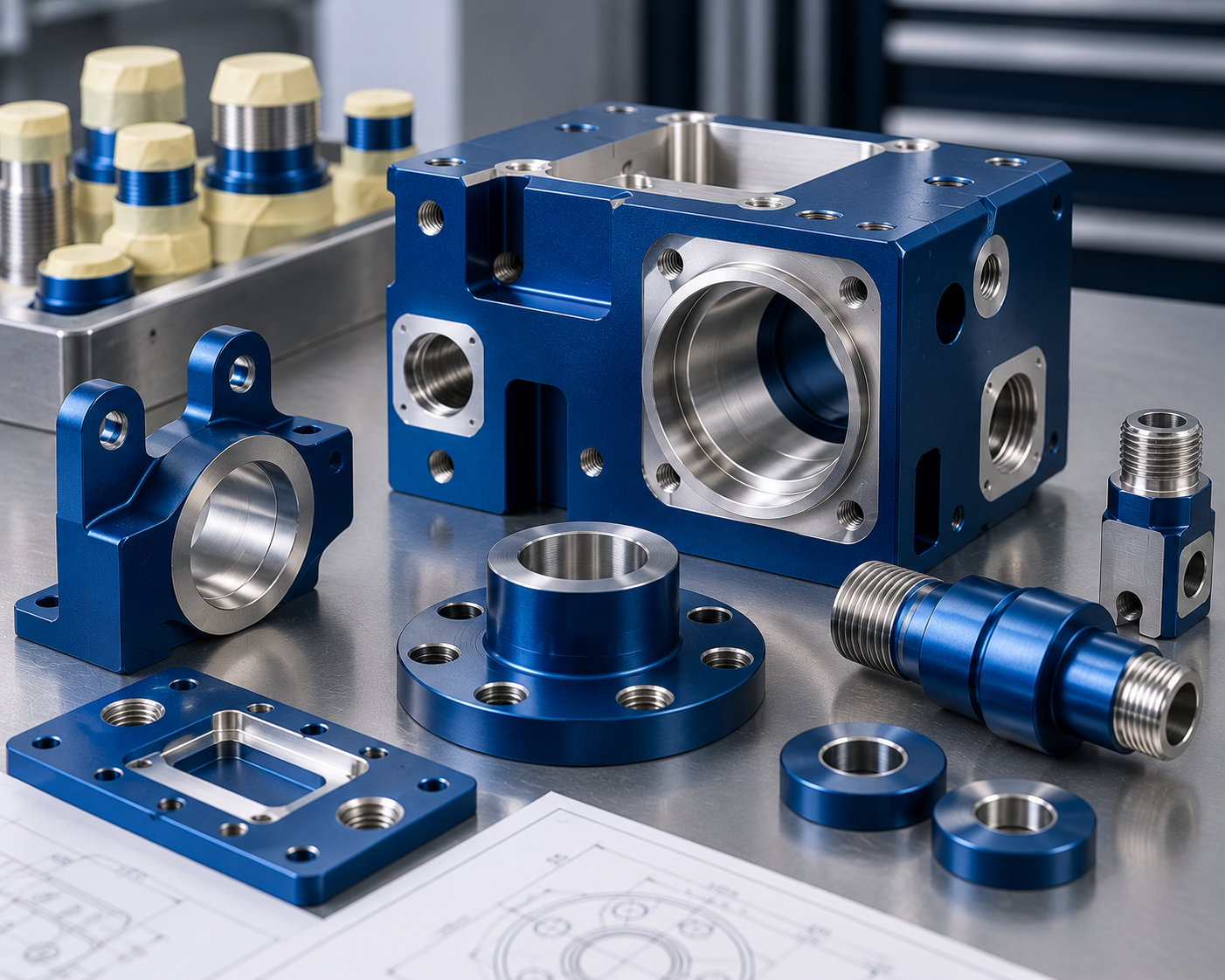
Masking & Dimensional Control
Threads, bores, sealing faces and other critical areas may require specific treatment or masking instructions.
Commonly used where aluminium requires corrosion-related protection and a defined visual finish.
Considered where the specification calls for a harder anodised layer and wear-related performance.
Critical fits and functional surfaces may need specific instructions before treatment.
Critical Areas Should Be Defined Before Treatment
Define the Required Finish Clearly
Include the aluminium grade, required anodising type, colour where applicable, any specified treatment standard, masking requirements, critical dimensions and required documentation with the RFQ. Treatment availability and final requirements can then be reviewed as part of the complete manufacturing scope.
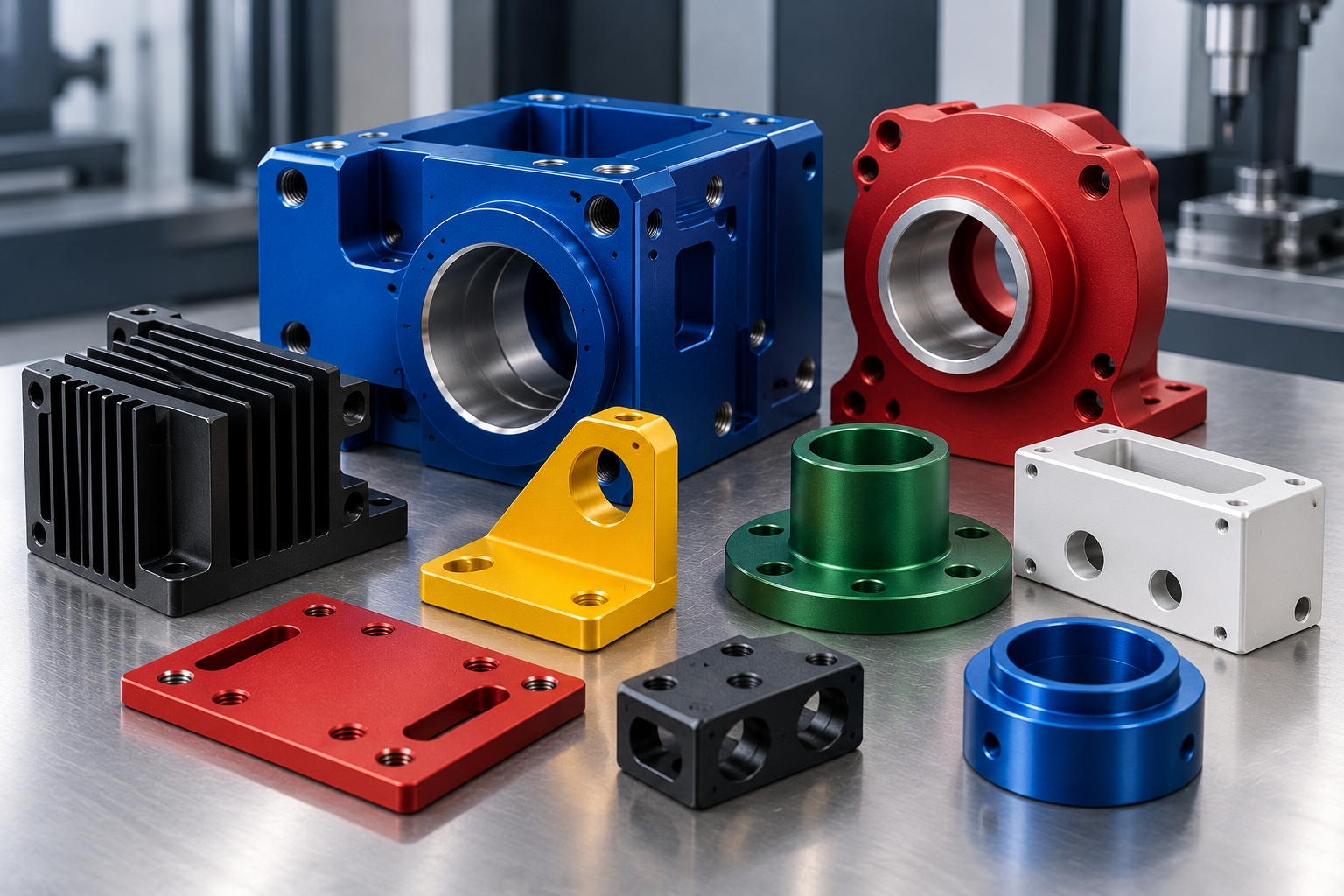
Where dimensional build-up may affect a bore, shaft fit, thread or mating surface, identify the feature and final dimensional requirement on the drawing so machining and treatment can be coordinated accordingly.
Plating & Chemical Treatments
Review Metallic and Chemical Treatments Around Material, Function and Final Geometry.
Plating and chemical surface treatments can form part of the complete CNC manufacturing scope where the engineering specification requires corrosion-related protection, a controlled surface condition or other project-specific characteristics.
Electroless Nickel Plating
Electroless nickel plating can be reviewed where the project specifies a nickel-based coating around complex geometry, corrosion-related protection or other defined surface requirements.
Passivation
Passivation can be incorporated where specified for stainless-steel components to support the required clean surface condition and corrosion-related performance.
Other Specified Treatments
Where a drawing calls for another metallic coating or chemical treatment, the requirement can be reviewed against the base material, geometry, final dimensions and availability before manufacturing.
| Review Area | Electroless Nickel | Passivation | Project-Specific Treatment |
|---|---|---|---|
| Base Material | Confirm compatibility with the specified substrate and complete coating requirement. | Typically associated with specified stainless-steel components. | Treatment compatibility should be reviewed against the exact alloy or material grade. |
| Primary Requirement | Metallic coating and project-defined protective surface characteristics. | Clean stainless-steel surface condition and corrosion-related requirement. | Defined by the drawing, specification and intended application. |
| Dimensional Consideration | Coating build-up may need consideration around precision fits and critical dimensions. | Review final drawing requirements and any critical surface condition. | Determine whether the process adds, removes or modifies the component surface. |
| Masking | Threads, bores, fits and functional surfaces may require explicit instructions. | Any excluded or specially controlled areas should be stated on the drawing. | Masking requirements depend on the selected treatment and component geometry. |
| Appearance | Final metallic appearance should be defined where cosmetic requirements matter. | Normally driven more by functional specification than decorative appearance. | Colour, texture and finish should be defined where they form part of acceptance. |
| Documentation | State any required coating records, certificates or verification at RFQ stage. | Include required treatment standard or documentation where applicable. | Specify documentation, standard and acceptance requirements with the RFQ. |
Final process selection, treatment condition, masking, dimensional requirements and documentation should follow the approved drawing or project specification. Where the treatment is not yet defined, include the functional requirement with the RFQ for review.
Powder Coating & Protective Finishes
Protect the Component While Controlling Its Final Appearance.
Powder coating can be incorporated into the manufacturing scope where a durable coloured surface or protective finish is specified. The final requirement should consider component material, operating environment, appearance, coating coverage and any areas that must remain untreated.
Define colour, gloss, texture or other cosmetic requirements where appearance forms part of the acceptance criteria.
Review the intended operating environment and protective requirement before selecting the final coating system.
Threads, bores, mating faces, grounding areas and other functional surfaces may require specific masking instructions.
Where coating build-up can influence assembly or fit, identify the affected dimensions in the drawing or RFQ.
Where a particular colour reference, coating system, surface texture, masking condition or documentation requirement applies, include it with the drawing. Treatment availability and the complete finishing requirement can then be reviewed before production.
Surface Finish, Masking & Critical Features
Protect the Finish Without Compromising Functional Surfaces.
Critical areas should be identified before treatment so machining, masking and final finishing requirements can be coordinated correctly.
Precision Bores
Identify bore surfaces where coating may affect fit, alignment or assembly.
Threads
Specify whether threaded features require treatment, masking or post-treatment control.
Bearing & Shaft Fits
Protect surfaces where dimensional change could influence the intended fit.
Sealing Faces
Define sealing and mating areas where surface condition is functionally important.
Datum Surfaces
Reference and inspection surfaces may need controlled treatment conditions.
Electrical Contact Areas
Conductive interfaces may require selective masking or specific finishing instructions.
Typical Industry Applications
Surface Finishes Selected Around Real Operating Requirements.
Gulf Precision Works supports project-specific finishing requirements for CNC components across a range of engineering sectors in the UAE and wider Gulf region.
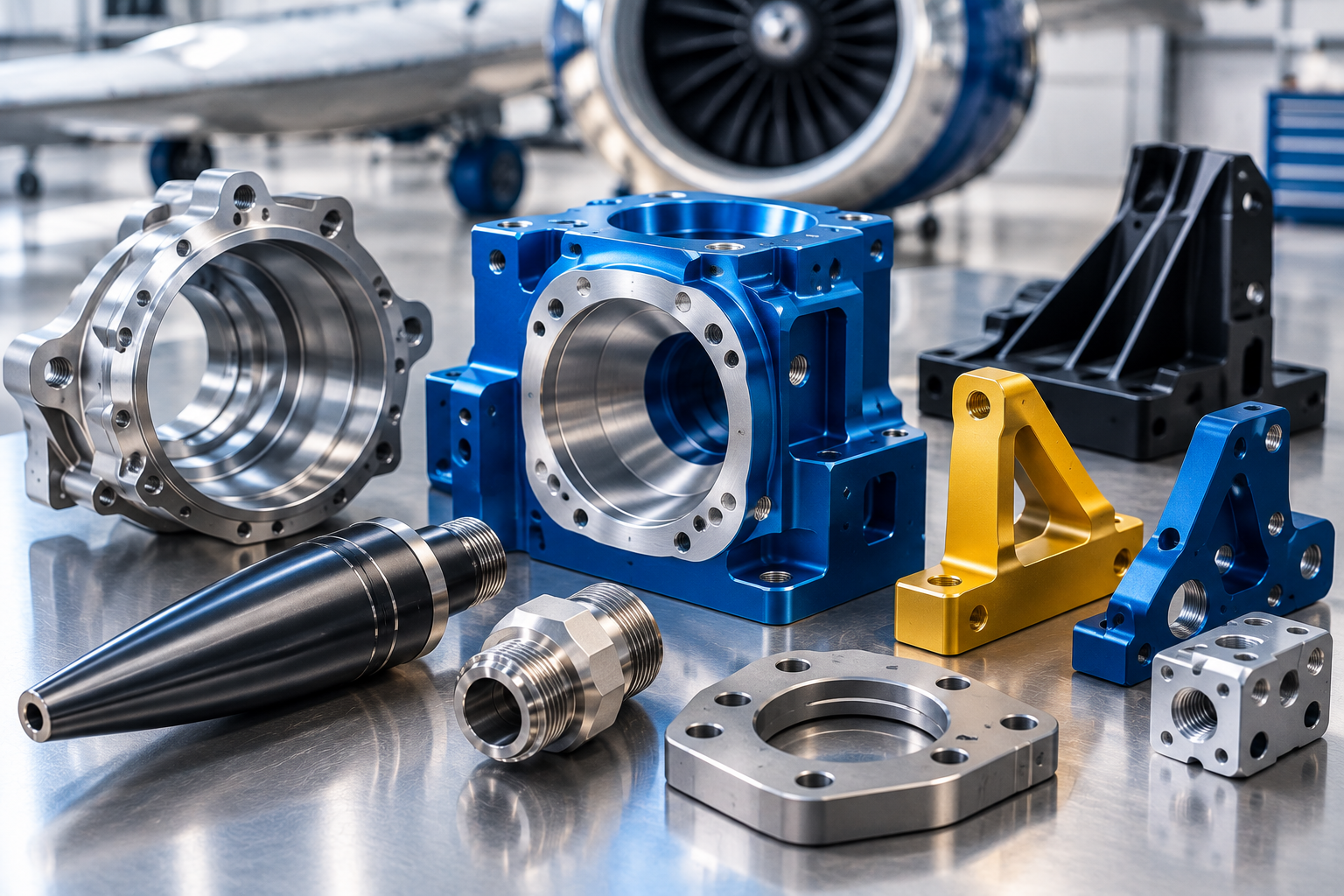
Aerospace & Aviation
Finishing requirements for lightweight, precision-machined aluminium and engineered components.
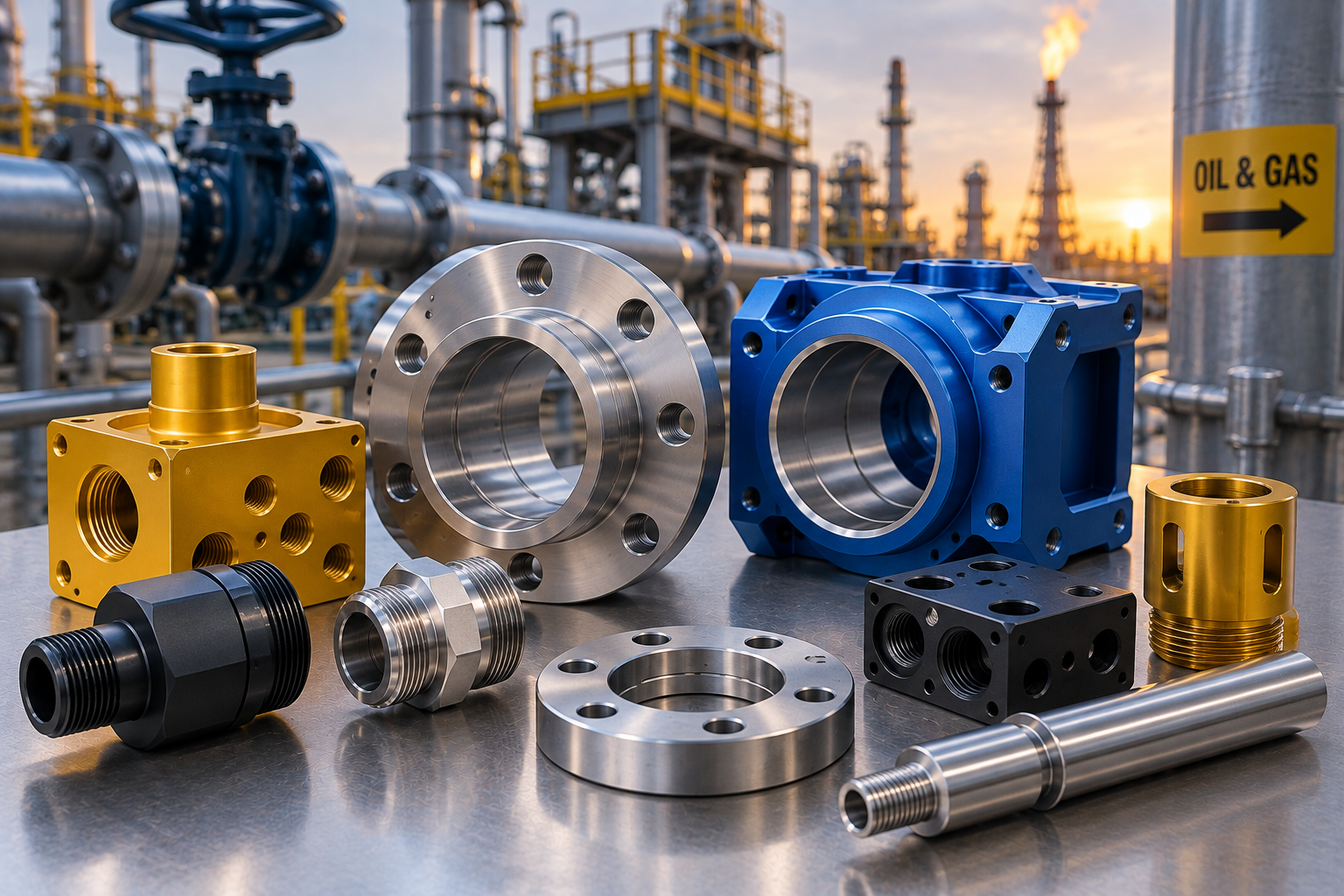
Oil & Gas
Surface-treatment requirements supporting components intended for demanding industrial environments.
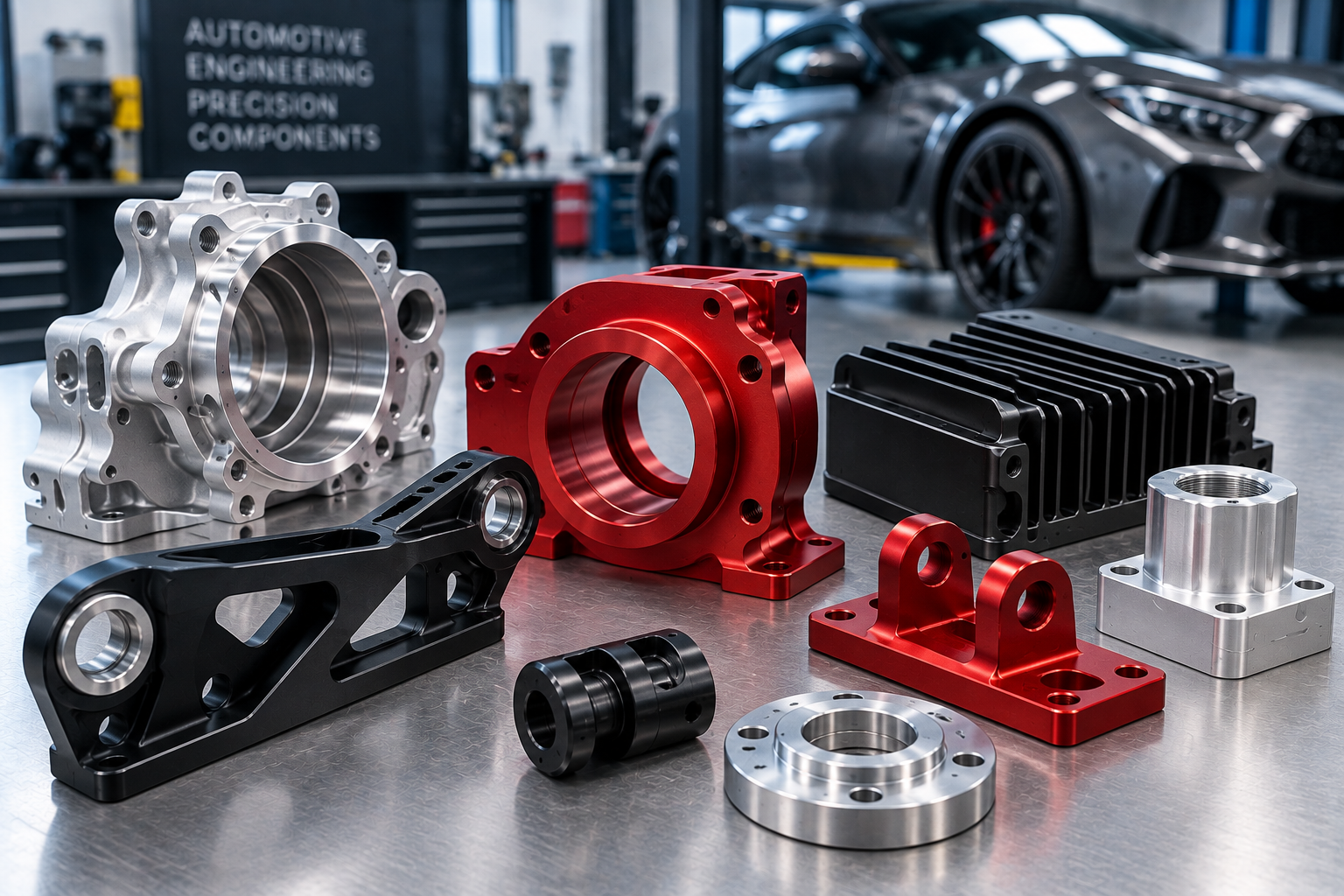
Automotive
Functional and visual finishes for housings, brackets, mounts and precision-machined parts.
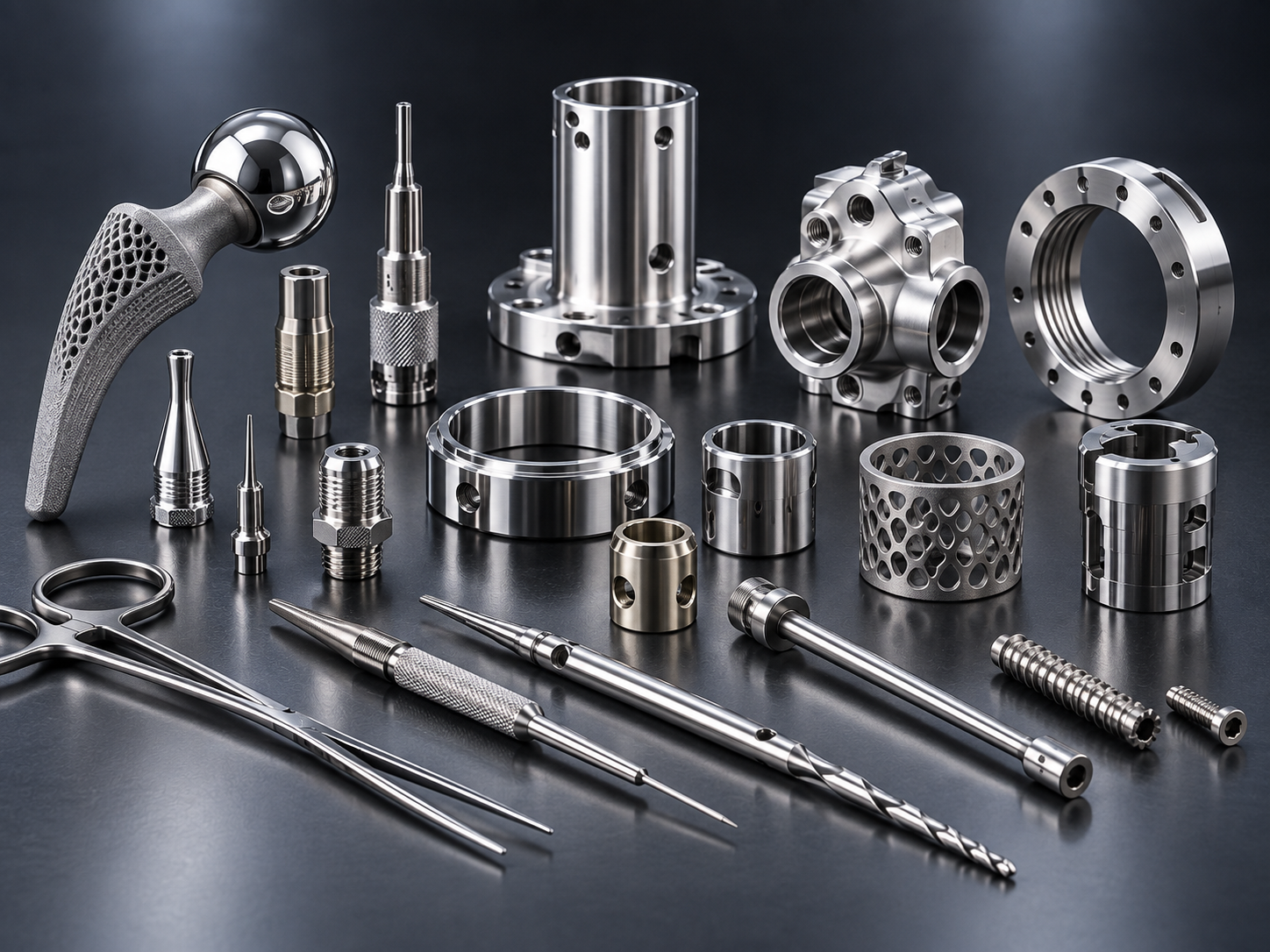
Medical & Precision Equipment
Controlled surface requirements for precision components and equipment-related applications.
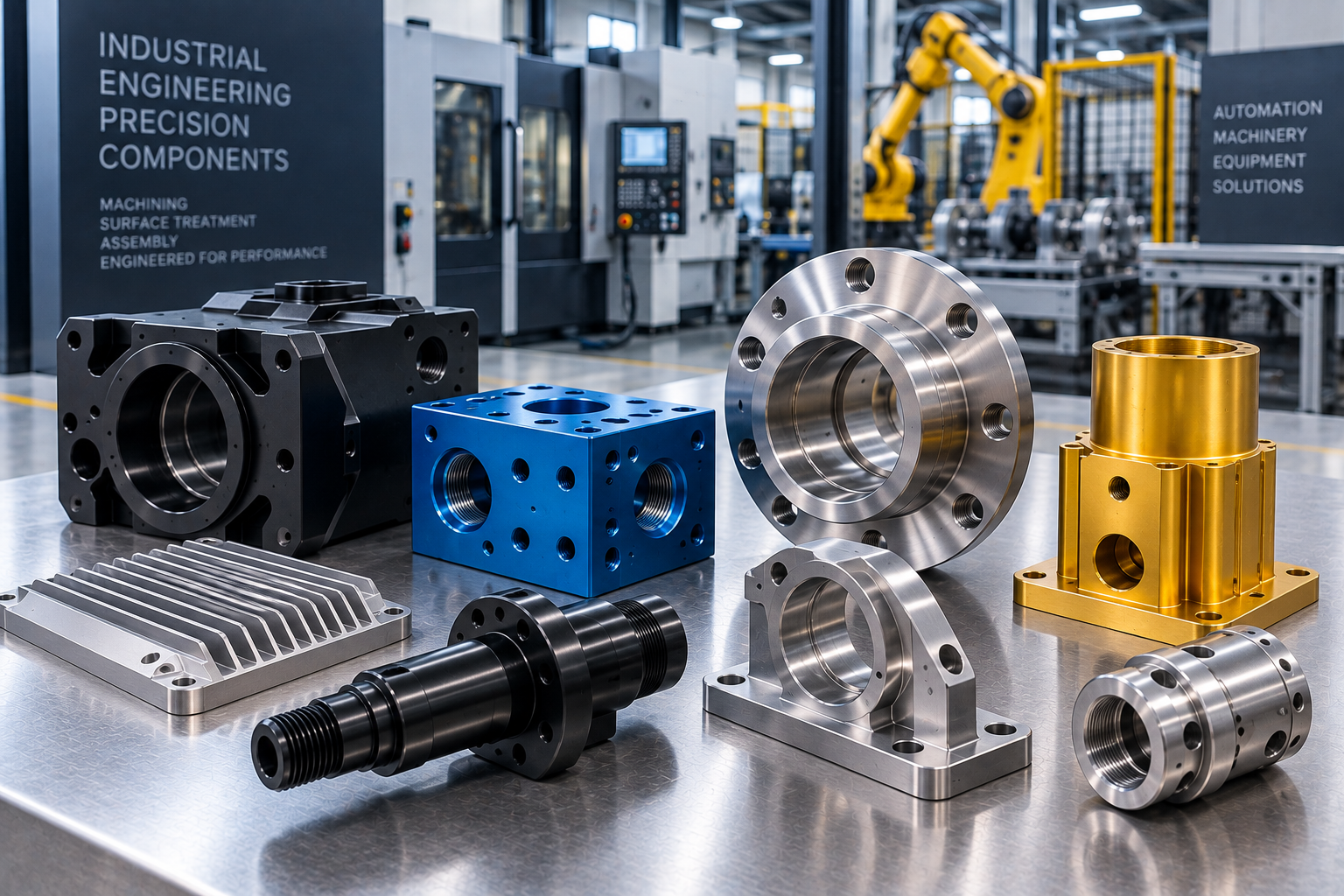
Industrial Engineering
Protective and functional finishing for machinery, automation and engineered component applications.
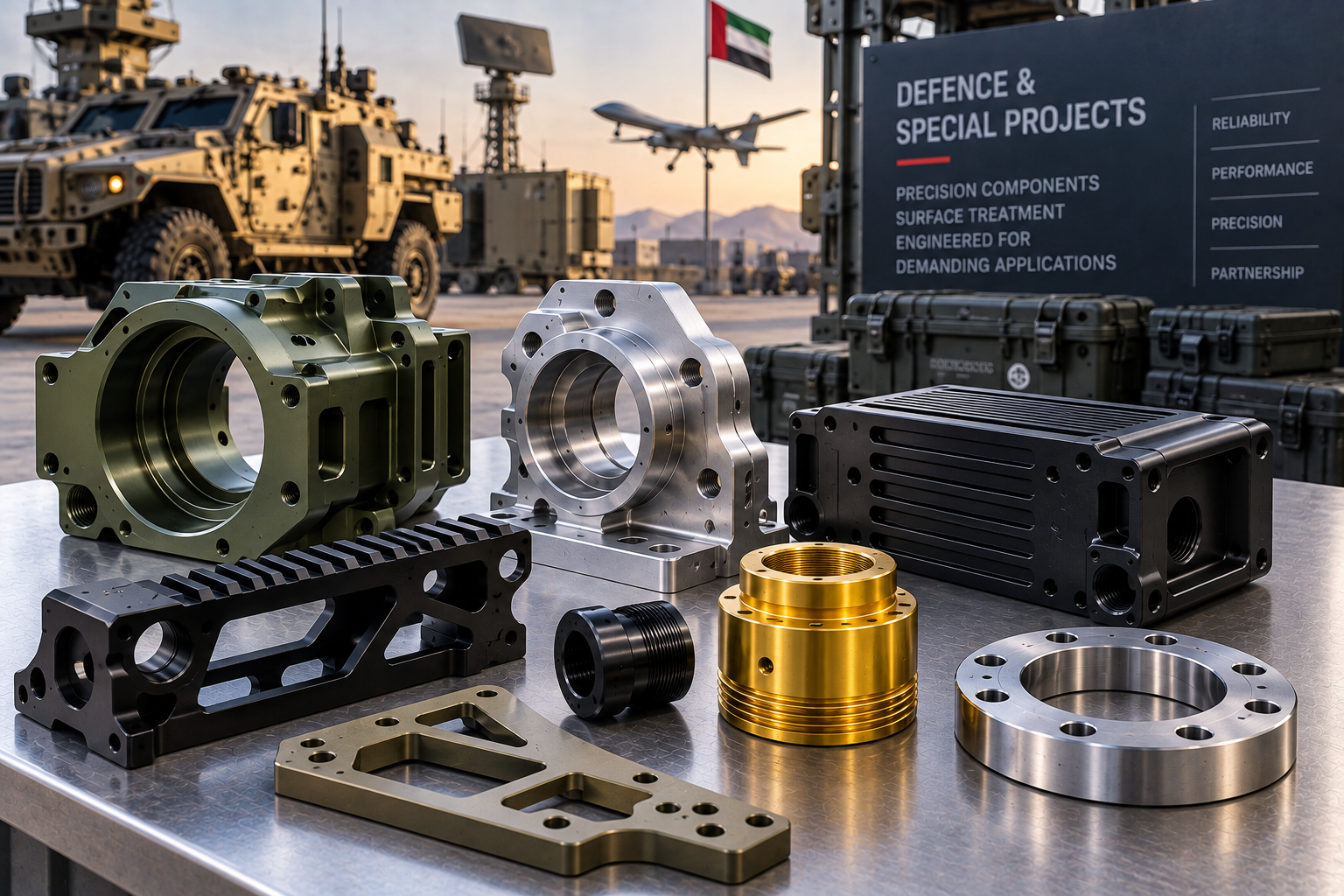
Defence & Special Projects
Project-defined finishing requirements for specialised precision-engineering components.
Treatment selection remains dependent on material, component function, drawing specification and operating environment.
Discuss Your Application →Surface Treatment FAQs
Common Questions About CNC Component Finishing.
Which surface treatments can Gulf Precision Works support?
Depending on material and project requirements, GPW can support finishing requirements such as anodising, hard anodising, electroless nickel plating, passivation, powder coating, polishing and bead blasting.
Should the surface treatment be specified on the drawing?
Yes. Where possible, provide the required treatment, colour or finish, relevant standard, masking areas and any critical post-treatment dimensions with the RFQ.
Can bores, threads and mating faces be masked?
Critical features can be identified for selective masking where the treatment should not affect a thread, precision fit, sealing face or functional interface.
Can surface treatment affect component dimensions?
Some treatments can change the final surface condition or introduce coating build-up. Critical dimensions should therefore be identified before machining and finishing.
Can powder coating or anodising be matched to a required colour?
Where colour is important, include the required colour reference or approved sample with the RFQ. Final colour capability remains subject to the selected finishing process.
Can treatment documentation be supplied when required?
Where treatment records, certificates or other documentation are required, specify them at RFQ stage so availability can be reviewed as part of the project scope.
Have a drawing ready? Send the component specification and required finish for review.
Submit Your RFQ →Ready to Discuss Your Component?
CNC Machining With Surface Treatment Requirements Coordinated.
Send your drawing, material specification, quantity and required finish. Gulf Precision Works can review the complete manufacturing requirement for your UAE or GCC project.