Materials We Machine
Engineering Materials for Precision CNC Machining.
Metals and Engineering Plastics for Prototype and Production Components.
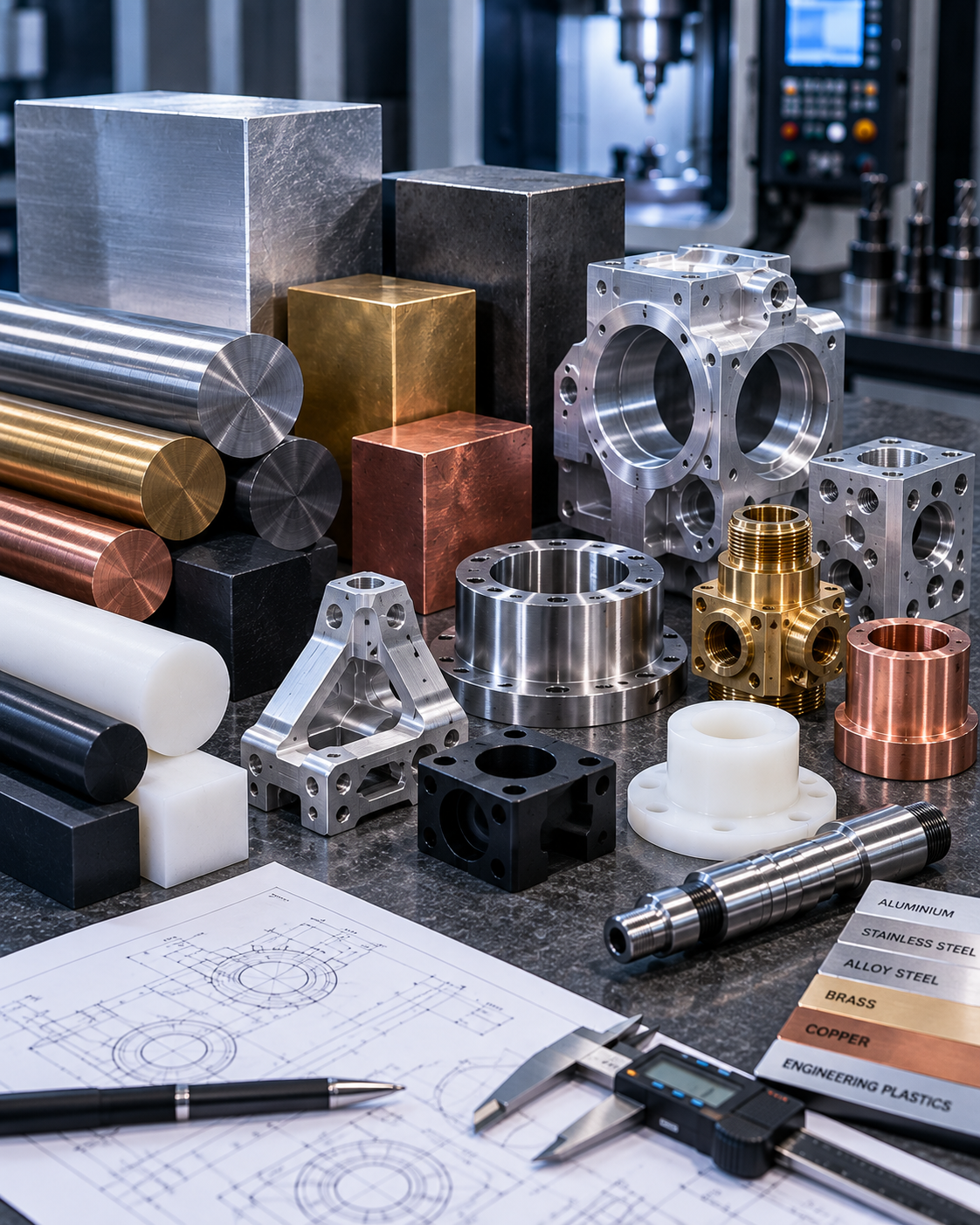
Gulf Precision Works supports CNC machining across a range of engineering materials including aluminium, stainless steel, carbon and alloy steel, brass, copper and engineering plastics for customers across the UAE and wider Gulf region.
Choosing the Right Engineering Material
Material Selection Starts With How the Component Will Be Used.
The best material is not simply the strongest, lightest or easiest to machine.
Material selection should reflect the component’s geometry, mechanical loading, operating environment, weight targets, wear behaviour, corrosion exposure, functional requirements and future production needs. These factors can also influence machining strategy, inspection and overall project planning.
Important for components where mass, handling or moving assemblies matter.
Consider expected loading, stiffness, impact and structural requirements.
Relevant for moisture, chemicals, outdoor use and demanding environments.
Material behaviour can affect tooling, cycle strategy and achievable features.
Operating conditions can influence suitable metals, alloys or polymers.
Conductivity, insulation, friction and application-specific behaviour may matter.
Where the component requires a particular alloy, temper, condition or polymer grade, include that specification with the drawing or RFQ. Material availability and project suitability can then be reviewed before manufacturing.
Aluminium Alloys
Lightweight, Versatile and Well Suited to Precision Machining.
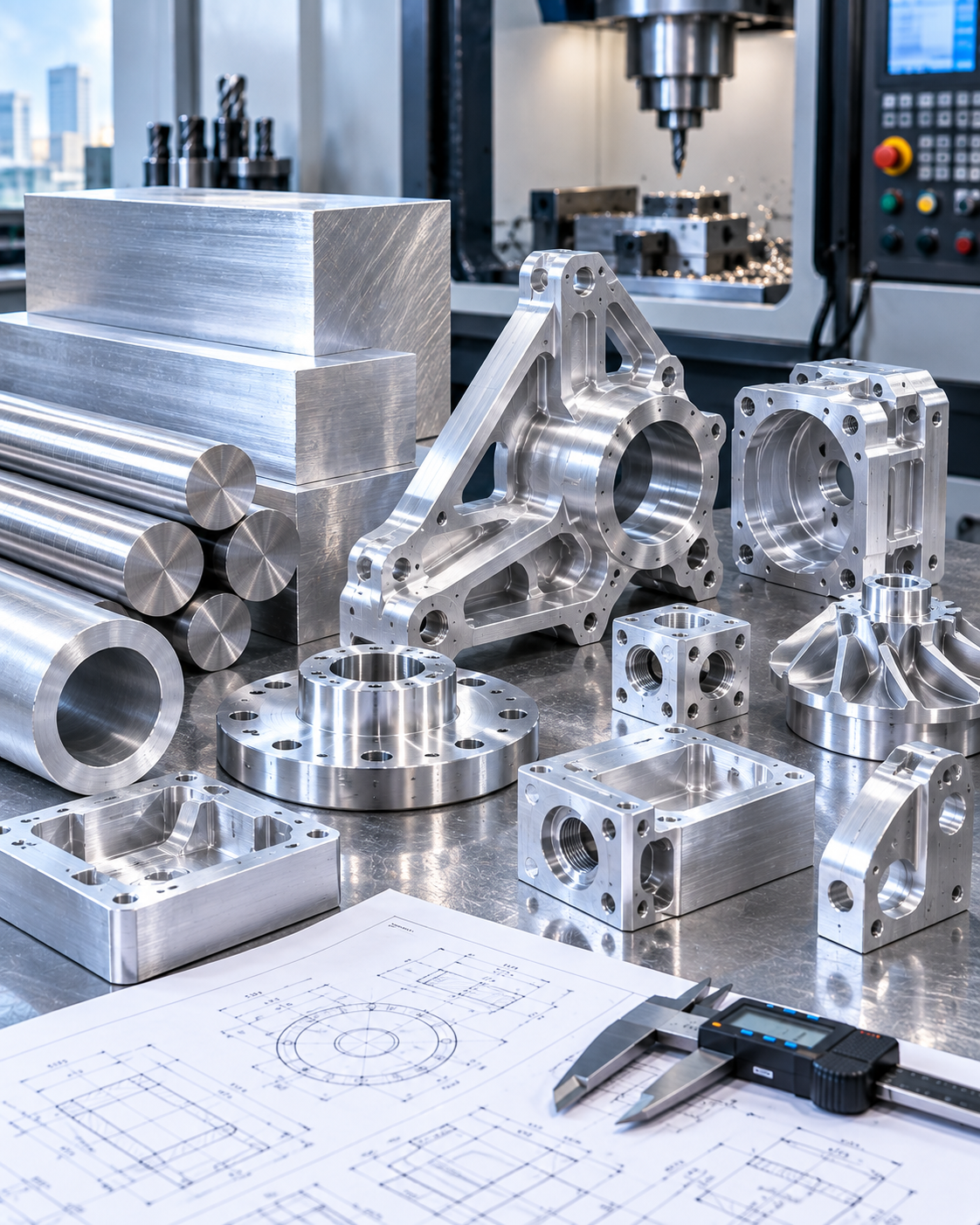
Aluminium is widely used where low weight, good machinability and practical engineering performance are important.
Gulf Precision Works supports CNC machining of commonly specified aluminium grades for prototype and production components. The required alloy and temper should be confirmed at RFQ stage based on the application, drawing and project requirements.
Commonly used for machined housings, brackets, fixtures, frames and a broad range of engineering components.
Often considered for engineering parts where good strength and machinability are required.
Suitable for applications where a higher-strength aluminium grade is specified by the engineering requirement.
Stainless Steel
Strength, Corrosion Resistance and Precision Machining Capability.
Stainless steel is commonly selected for precision components where strength, corrosion resistance, durability or a production-representative material is important. GPW can review suitable stainless grades based on the drawing, application and machining requirements.
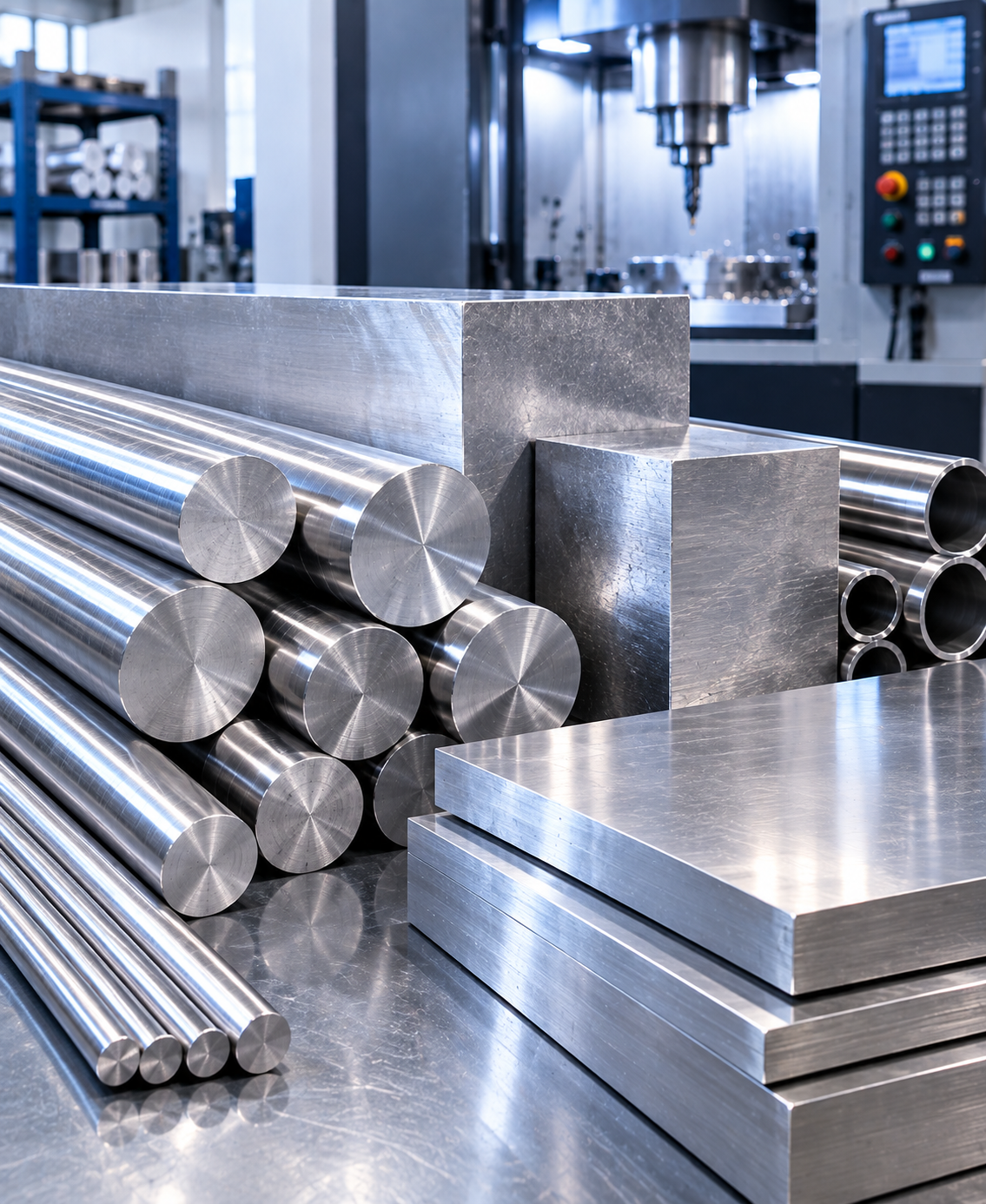
Stainless Steel Bar, Plate & Billet
Common forms for CNC milling and turning requirements.
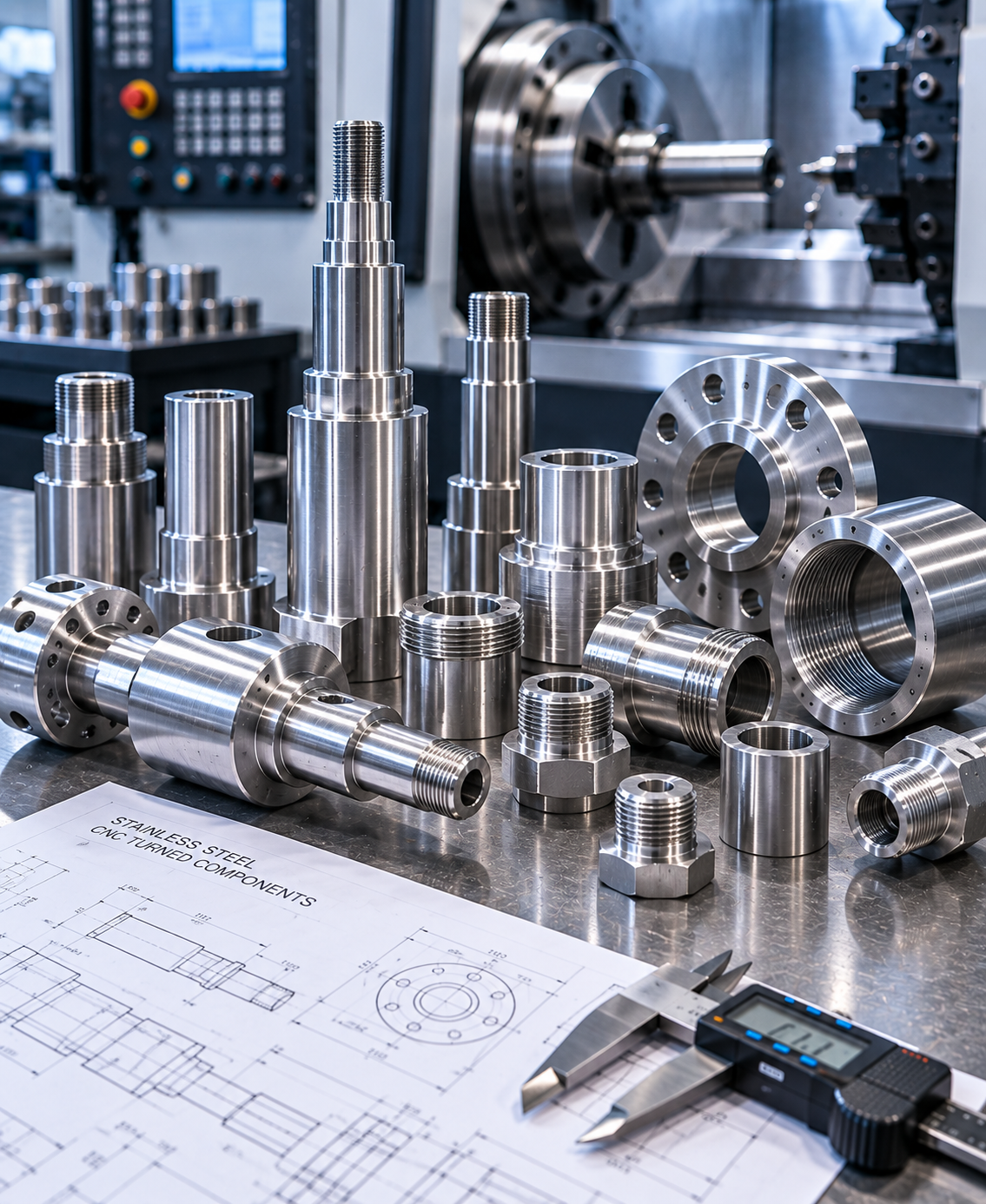
Turned Stainless Components
Shafts, bushings, sleeves, fittings and rotational parts.
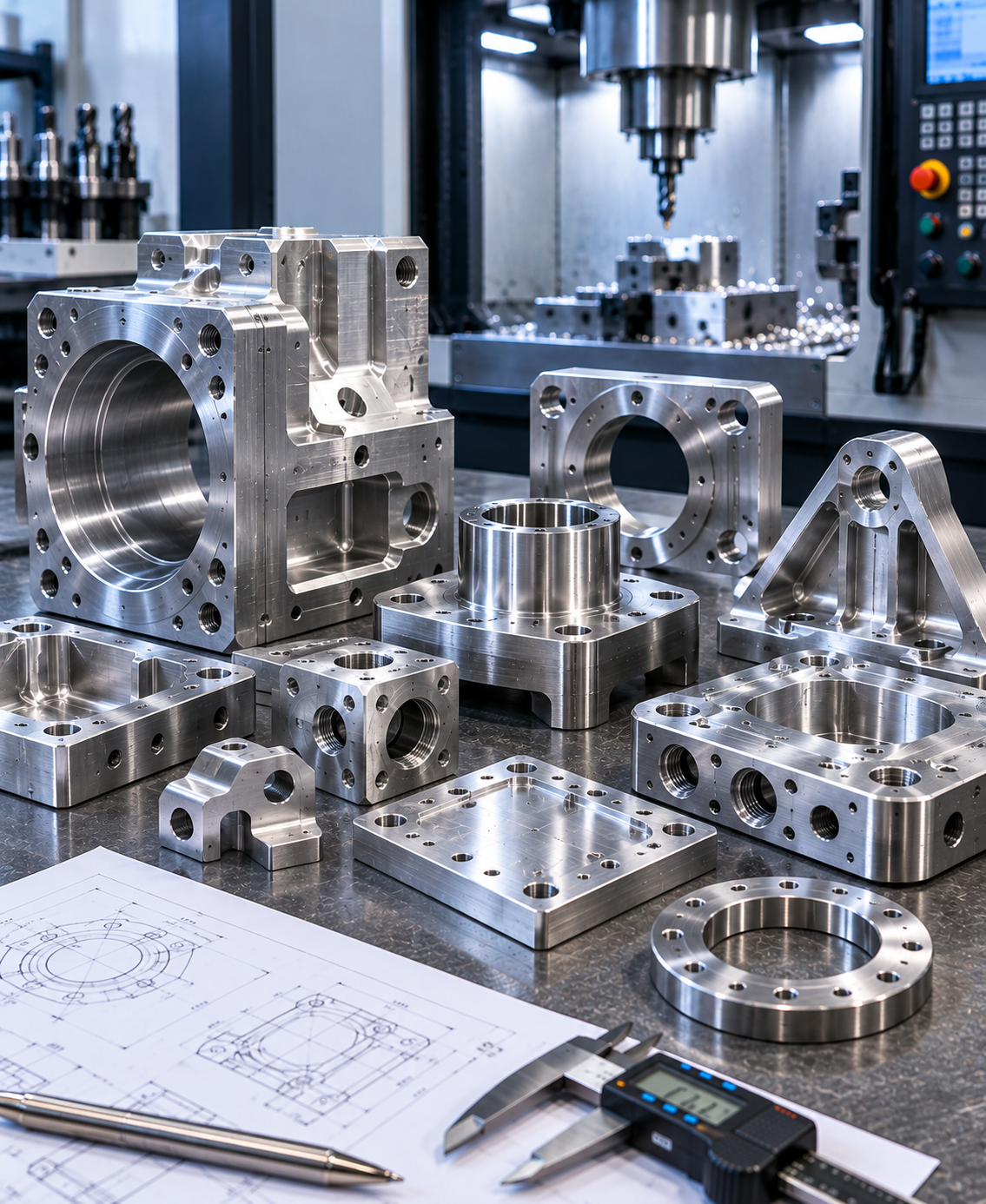
Milled Stainless Components
Housings, brackets, plates and complex engineering parts.
Stainless Steel Grades
Frequently specified for general engineering components where corrosion resistance is important.
Commonly considered where the operating environment demands stronger corrosion resistance.
Used where the engineering specification calls for a precipitation-hardening stainless grade.
CNC-Machined Stainless Steel Applications
Grade selection, condition, geometry and inspection requirements should be defined as part of the RFQ. Material availability can be reviewed against the project specification before manufacturing.
Carbon & Alloy Steel
Durable Engineering Materials for Demanding Mechanical Components.
Carbon and alloy steels are widely used where strength, wear resistance, toughness or robust mechanical performance is required. GPW can review suitable steel grades for CNC-machined shafts, fixtures, tooling, housings and other engineering components based on drawing and project requirements.
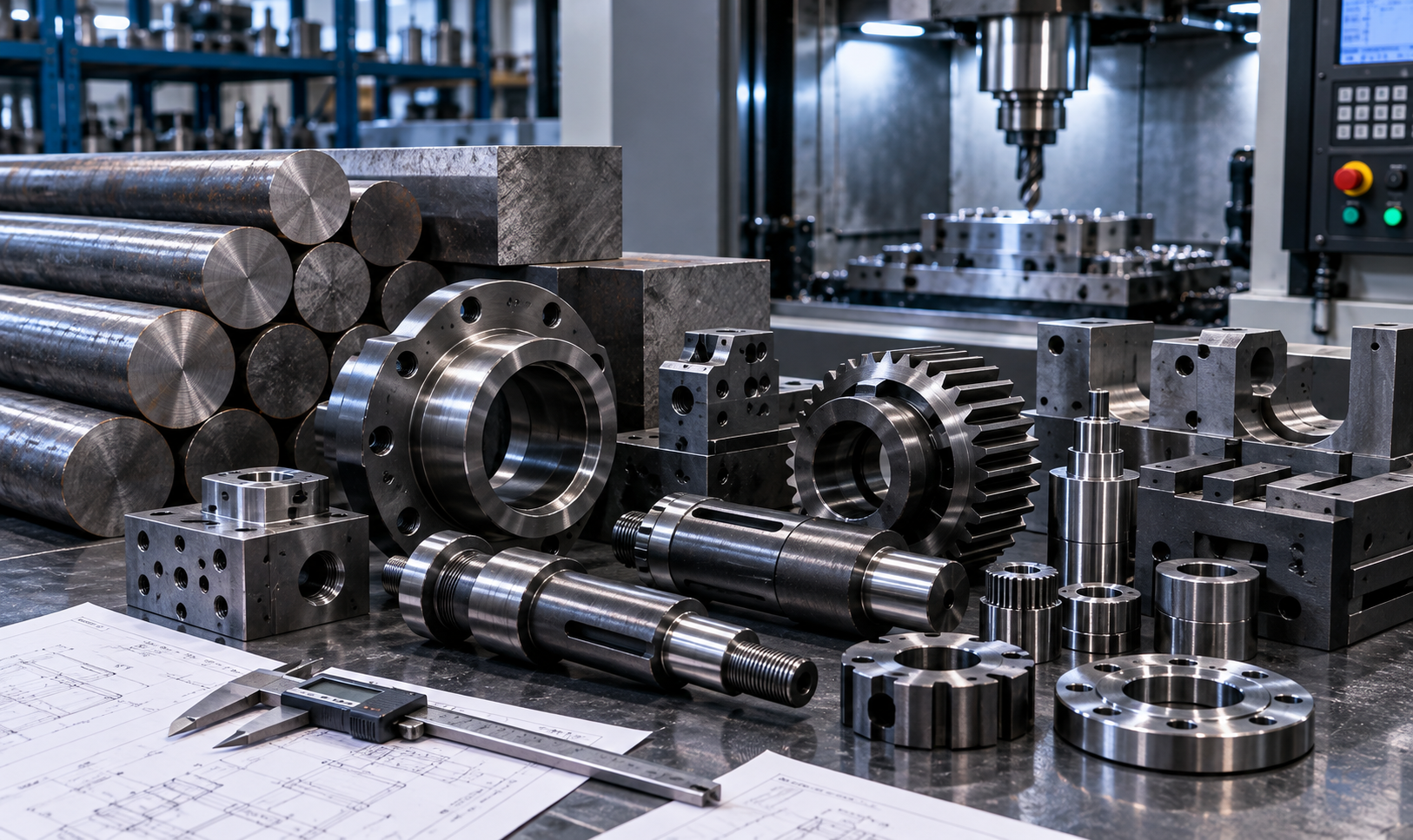
Steel for Strength, Wear & Mechanical Performance
Appropriate grade selection depends on loading, heat treatment, hardness, wear, geometry and application-specific requirements.
Suitable for robust turned components, drive elements and mechanical assemblies.
Used where stiffness, durability and repeated mechanical loading are important.
Brackets, blocks, housings and structural components for industrial equipment.
Applications where hardness, wear behaviour or mechanical strength matter.
Brass & Copper
Non-Ferrous Materials for Precision Functional Components.
Brass and copper alloys are commonly selected where machinability, conductivity, corrosion resistance or specific functional properties are important. GPW can review suitable grades for fittings, connectors, bushings, electrical components and precision engineering parts.
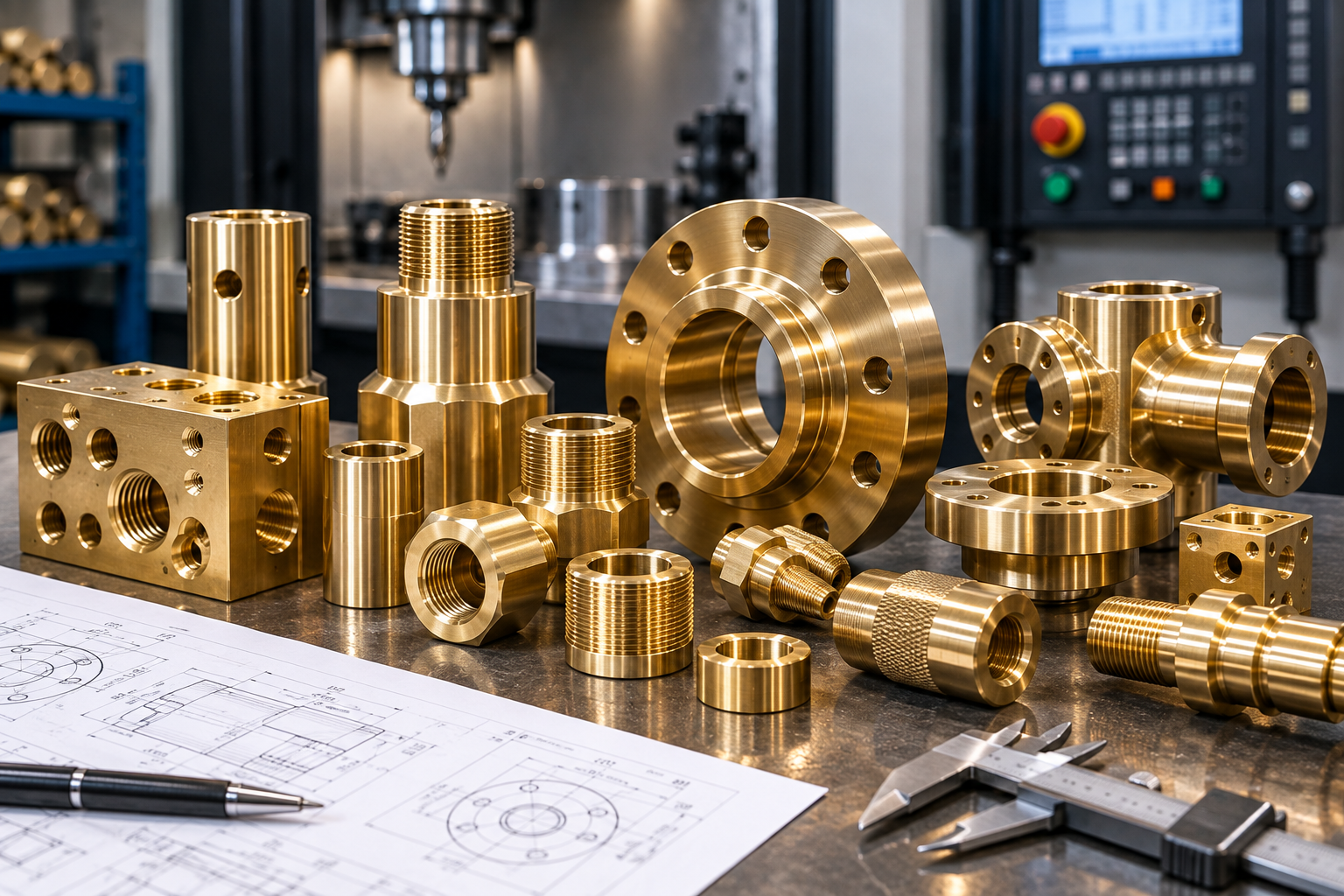
Precision Brass Components
Suitable for fittings, bushings, connectors, threaded parts and other precision components.
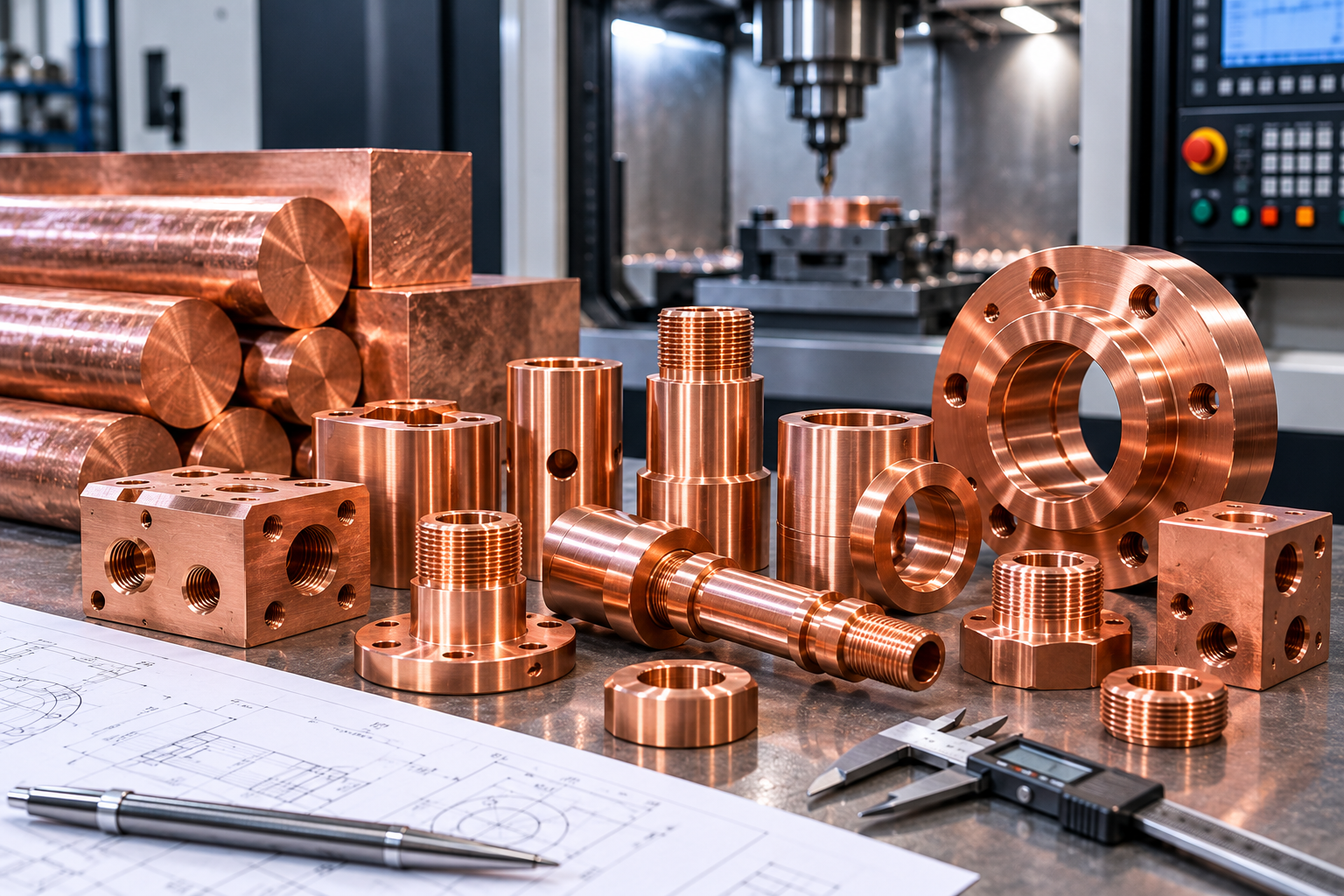
Conductive Copper Components
Project-specific parts where conductivity or copper material properties are required.
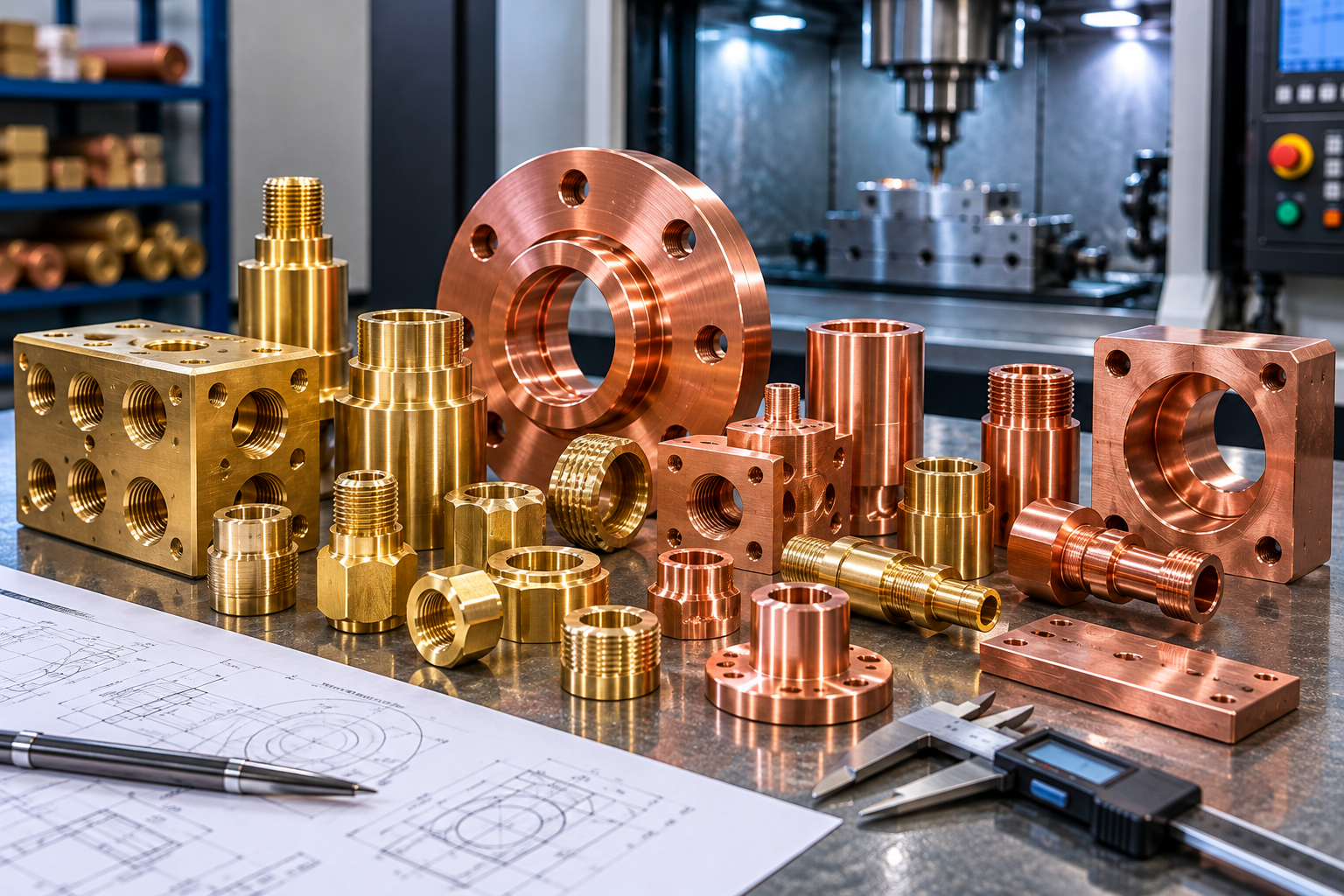
Functional Non-Ferrous Parts
Machined components for electrical, fluid-handling and precision engineering requirements.
Brass & Copper Grades
Commonly associated with precision fittings and machined brass components.
Can be reviewed for project-specific non-ferrous component requirements.
Commonly specified where electrical or thermal conductivity is an important requirement.
Brass & Copper CNC Applications
Material grade, conductivity requirements, geometry and surface requirements should be defined in the drawing or RFQ so the appropriate material and machining approach can be reviewed.
Engineering Plastics
Lightweight Polymer Materials for Precision Functional Components.
Engineering plastics can support applications where low weight, electrical insulation, low friction, chemical resistance or specialised functional behaviour is required. Material selection should be based on the component's operating environment, geometry and project requirements.
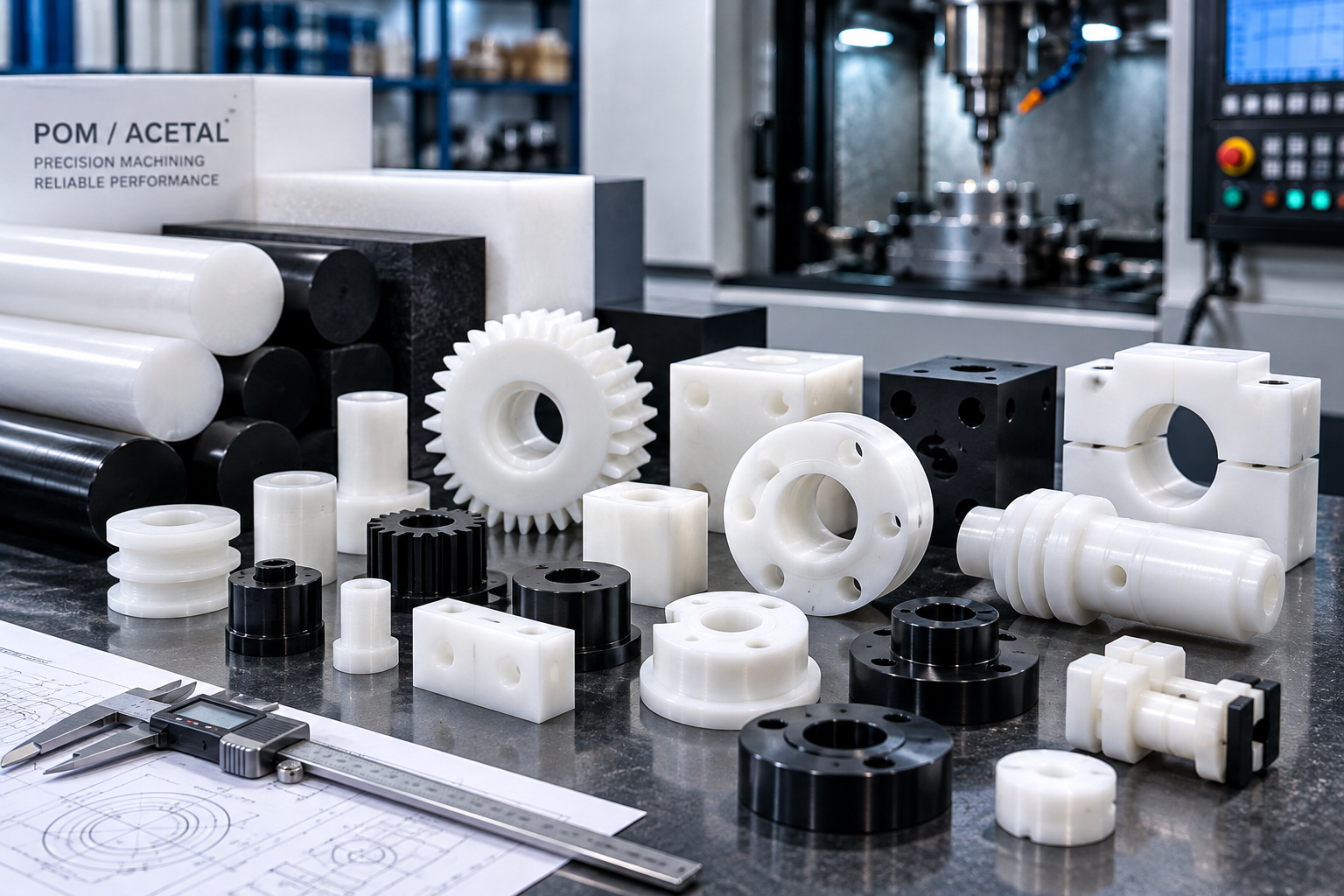
Precision Acetal Components
Suitable for dimensional stability, low-friction parts, guides, bushings and functional components.
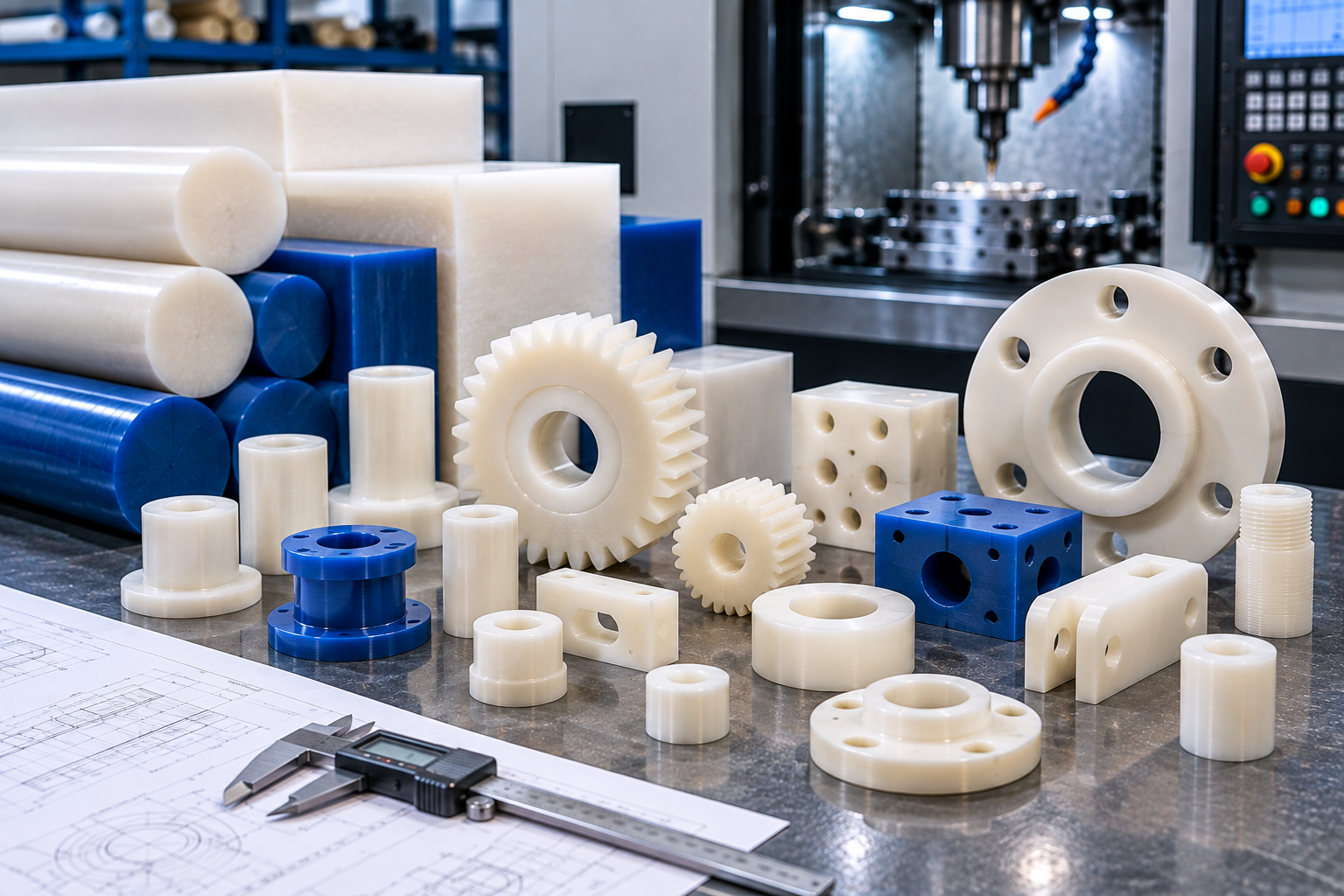
Nylon Engineering Parts
Commonly considered for wear parts, rollers, spacers, guides and other mechanical applications.
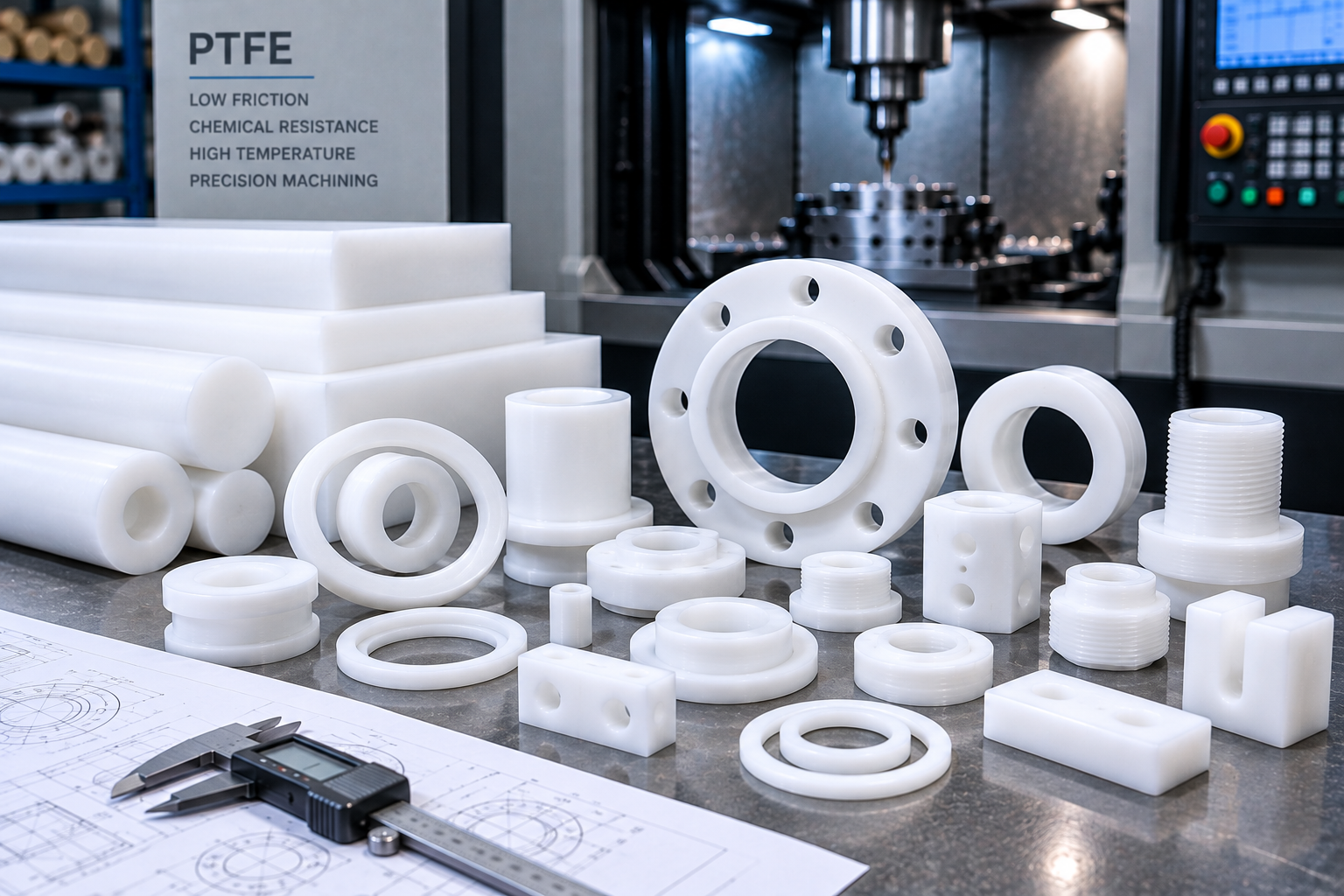
Low-Friction PTFE Components
Suitable for project requirements involving low friction, chemical resistance or insulation.
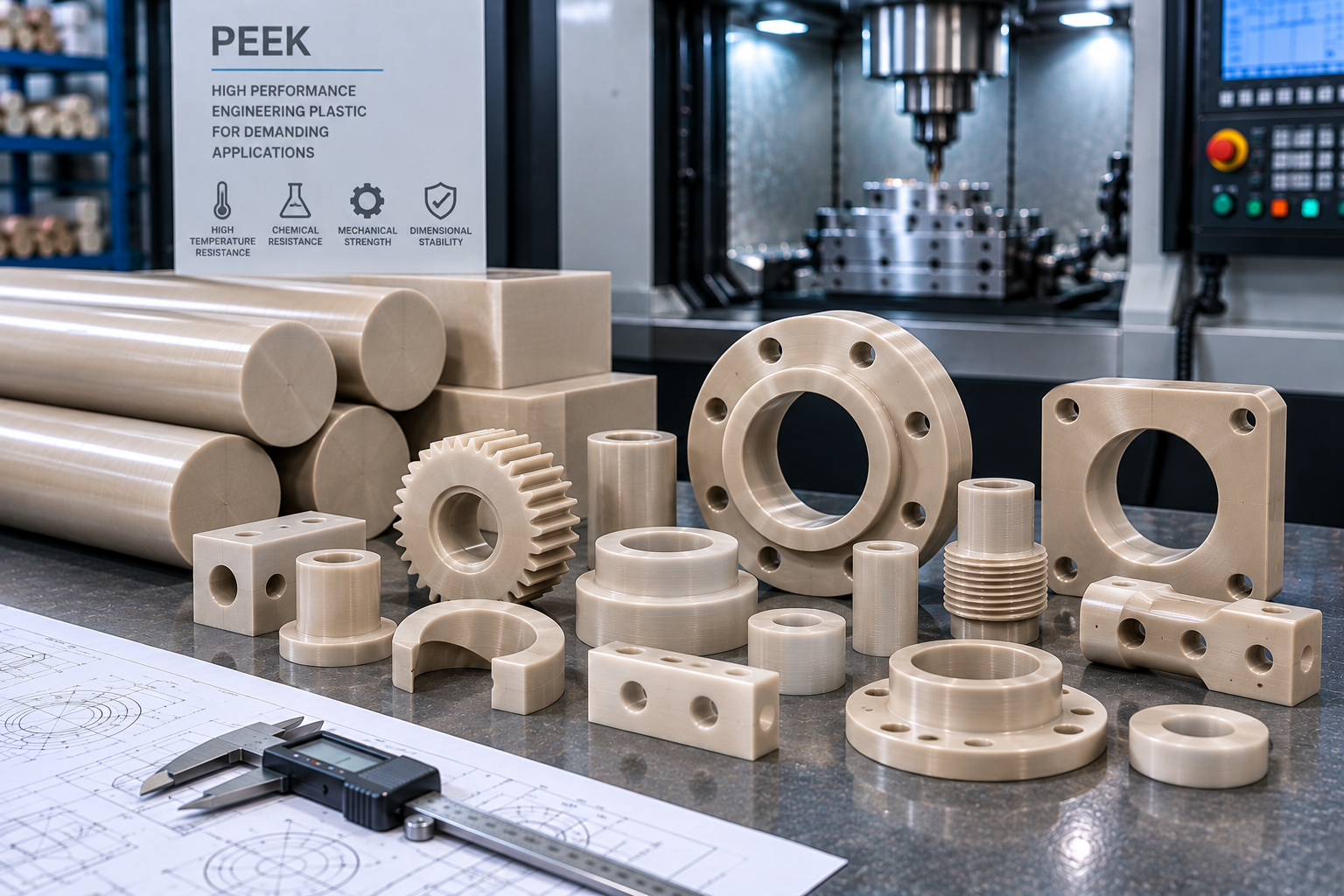
High-Performance Polymer Parts
Can be reviewed where a higher-performance engineering polymer is required by the project.
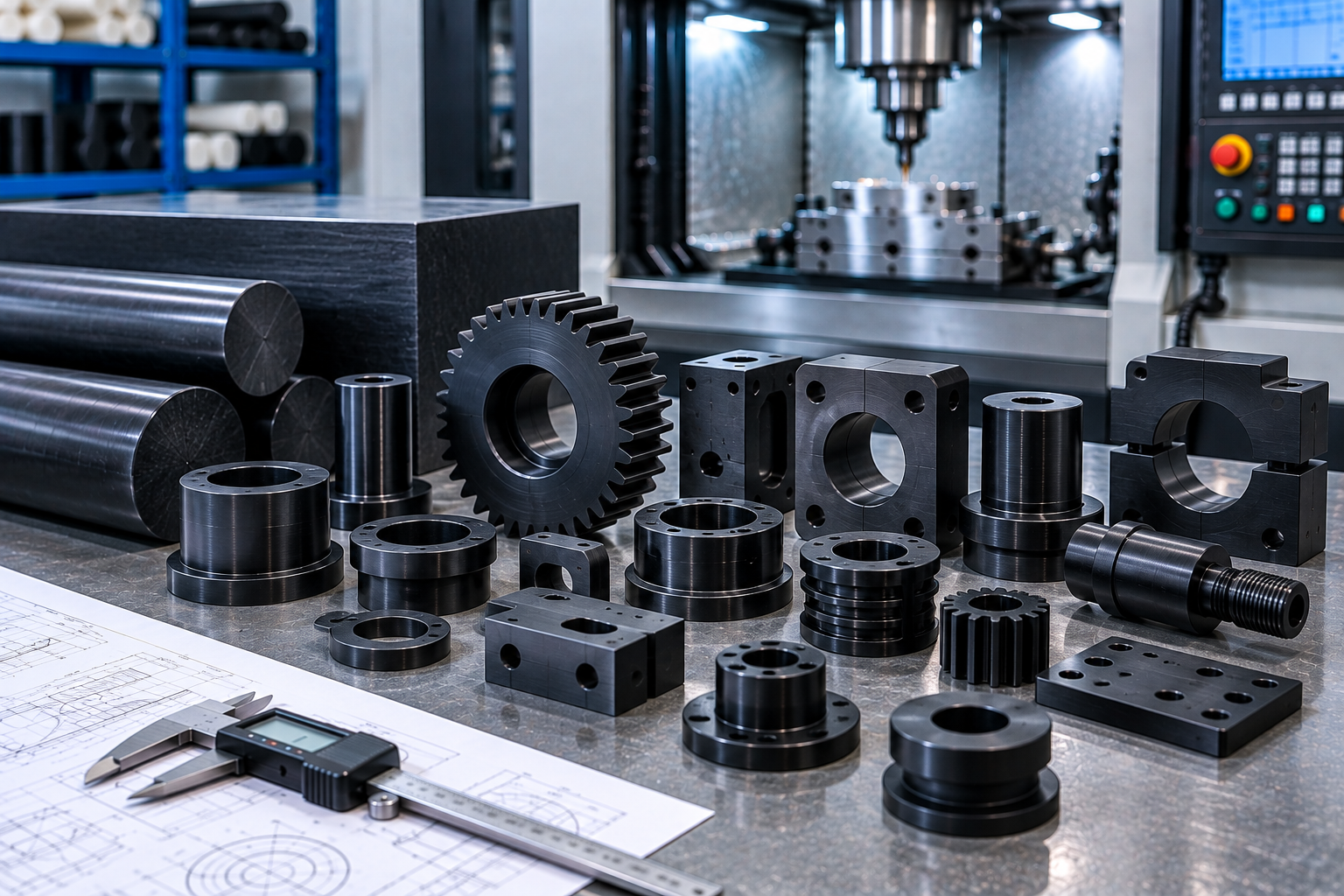
Functional Polymer Components
Housings, guides, wear parts and precision components for project-specific applications.
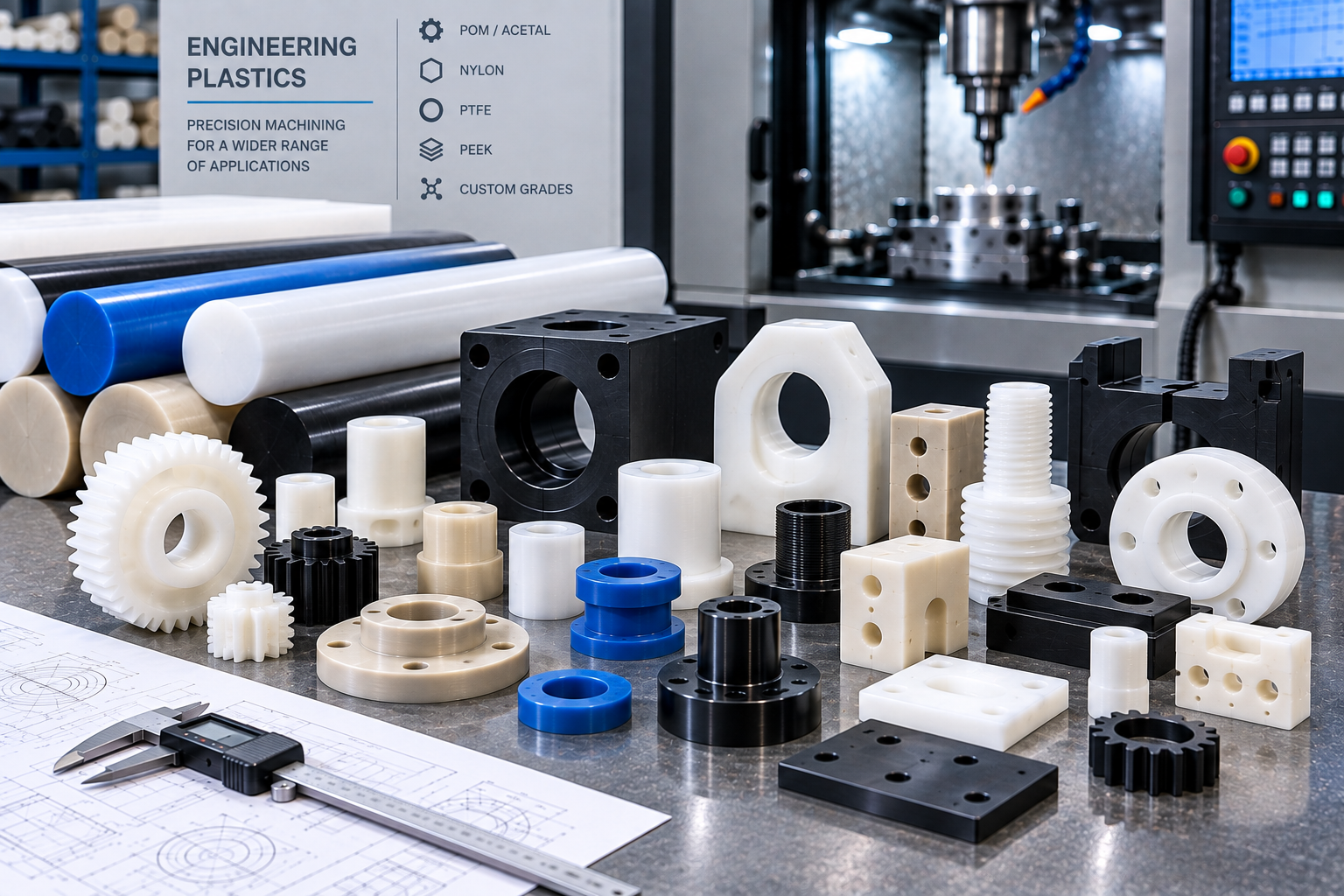
Precision Engineering Plastics
Material selection can be aligned with geometry, wear, insulation, friction and operating-environment requirements.
Why Select an Engineering Plastic?
Polymer Grade Matters
Engineering plastics are available in different grades and formulations. Where the project requires a specific polymer grade, colour, filler, temperature capability or certification, include the requirement at RFQ stage so availability and suitability can be reviewed.
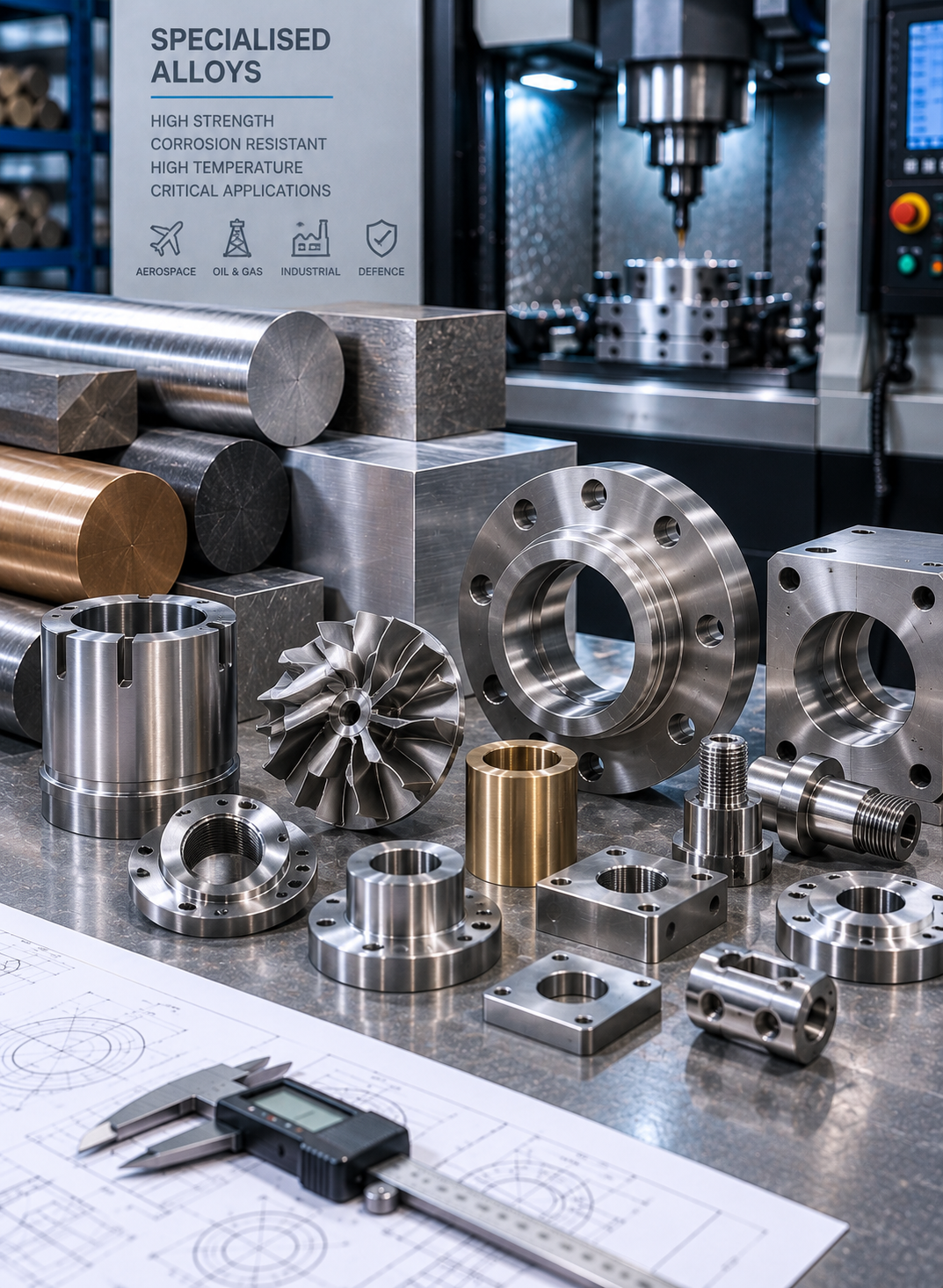
Materials Selected Around the Engineering Requirement
Project-specific alloys and specialised materials can be reviewed where performance requirements extend beyond common engineering grades.
Specialised & Project-Specific Materials
When Standard Materials Are Not Enough for the Application.
Some engineering projects require materials selected for higher strength, temperature capability, corrosion resistance, wear behaviour or other specialised performance characteristics. These requirements should be defined against the drawing and project specification before machining begins.
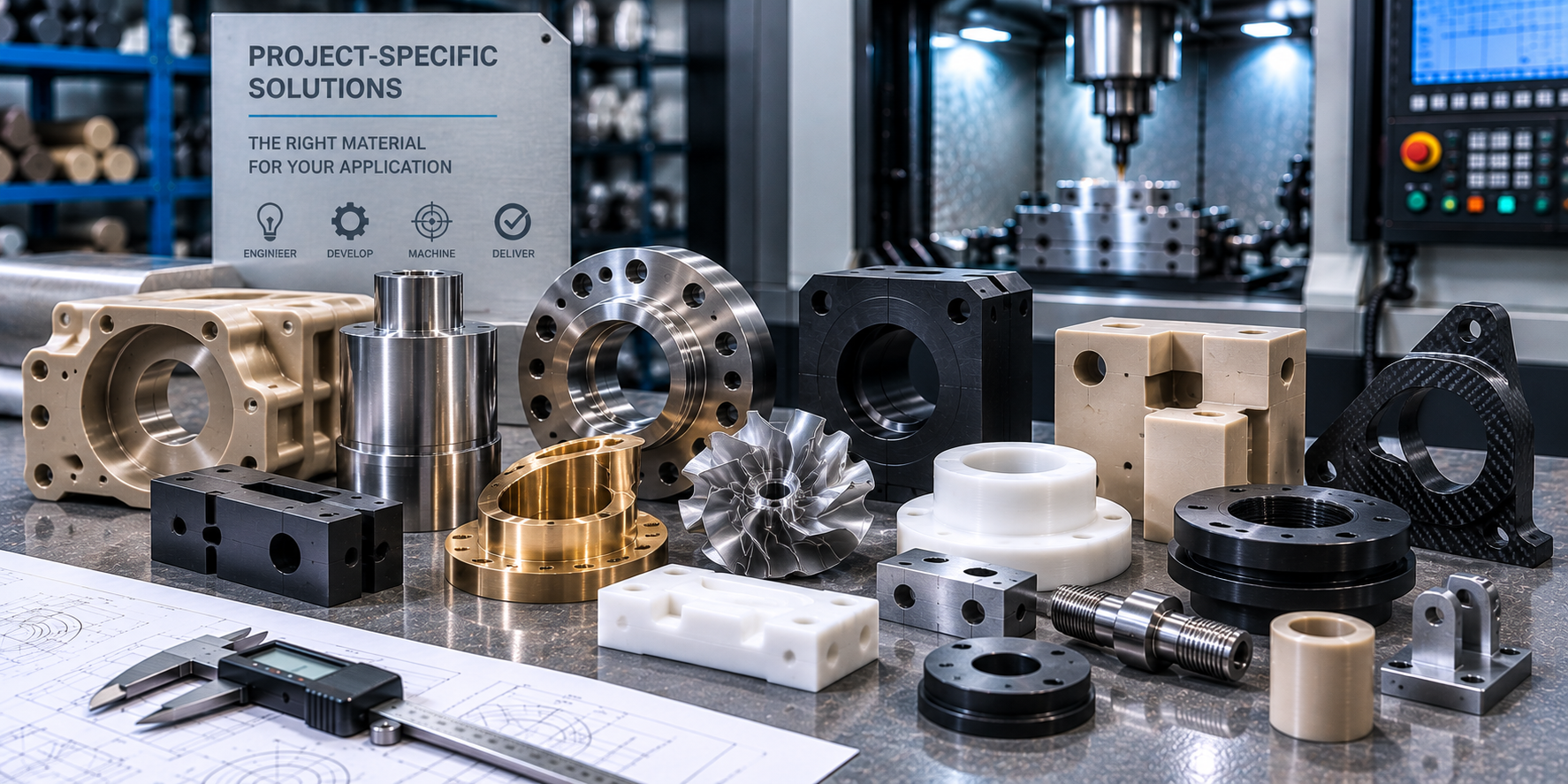
GPW does not assume a specialised alloy or grade is appropriate for an application without the corresponding engineering requirement. Include the latest material specification and drawing with the RFQ for review.
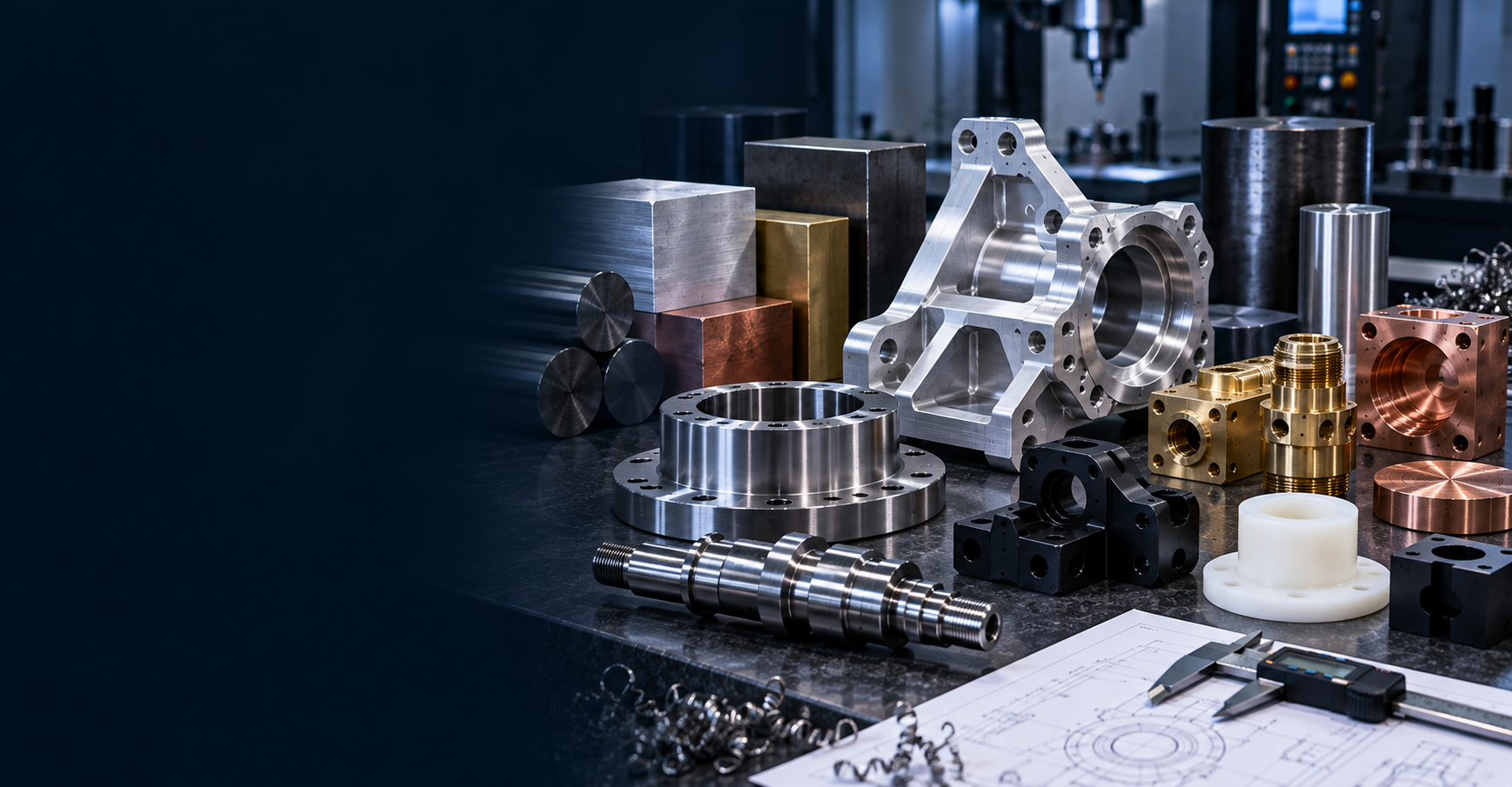
Start Your Materials RFQ
Have a Material Specification Ready for CNC Machining?
Send the complete component and material requirement for manufacturing review.
Share your latest drawing, required material grade, component quantity, machining requirements, surface requirements and any inspection or documentation needs with Gulf Precision Works. We can review the complete scope for prototype or production machining projects across the UAE and wider Gulf region.